Water Filtration Basics
Water filtration tackles impurities to make water safer and more pleasant to consume. The three most talked-about methods stand out: reverse osmosis (RO), ultraviolet (UV) light treatment, and carbon filters. Each targets different contaminants, and knowing how they work helps to select the right option. For example, reverse osmosis can remove up to 99% of dissolved salts and heavy metals, a fact confirmed by U.S. EPA studies. UV treatment disinfects by deactivating bacteria and viruses but doesn't remove particles. Carbon filters adsorb chlorine, odors, and organic compounds—common sources of unpleasant taste.
About 1.1 billion people globally lack access to safely managed drinking water, highlighting the need for effective home or commercial filtration solutions. Water in urban areas often carries residual disinfectants and organics, making carbon filters a common choice there.
Water Filtration Challenges
Many assume all filters treat water equally. That’s not true. Reverse osmosis, UV, and carbon filters serve distinct functions. Misusing one type leads to poor water quality results or wasted money. For instance, an RO system alone won't deactivate microbes quickly, which could be risky if source water is biologically contaminated. UV treats pathogens but leaves chemical contaminants undisturbed. Not addressing the right problem risks illness or frustration with taste or equipment damage.
Commercial setups often fail to anticipate maintenance costs and filter replacement cadence. Some users install a carbon filter, then skip UV despite microbial presence. The consequence falls on water quality, sometimes visible as cloudy water or strange taste. These issues reduce confidence and participation in water treatment programs.
Testing water regularly is rare, leading to guesswork. What looks safe might hide dissolved metals like lead or arsenic—two pollutants RO handles well.
Practical Filtration Solutions
Reverse Osmosis (RO)
RO uses a semipermeable membrane to force water under pressure, leaving behind salts, heavy metals, and particles larger than 0.0001 microns. This level of filtration removes nitrates, fluoride, and many viruses. Home RO units typically produce 50 to 100 gallons daily. The downside: water waste can approach three gallons for each purified gallon. Many systems recycle reject water now to reduce waste.
RO membranes need regular replacement, around every 2-3 years, depending on water quality. Brands like APEC and iSpring offer systems with multi-stage pre- and post-filtration, improving lifespan and taste. For a family of four, an RO system combined with quality sediment and carbon prefilters lasts about 5 years before major service.
UV Light Treatment
UV systems shine ultraviolet-C light at 254 nm to destroy DNA and RNA of microorganisms. The contact time is brief (seconds), but effective pathogens inactivation rates often reach 99.99%. Systems such as Trojan UVMax are standard in both residential and municipal water treatment. UV can handle influents with turbidity below 1 NTU to be effective, so it’s often paired with prefiltration.
UV lamps need cleaning and replacement annually or after 9000 operating hours. Unlike filters, UV doesn't change water taste or remove chemical contaminants. It’s best for disinfecting private well water or as a secondary barrier in city-supplied water.
Carbon Filters
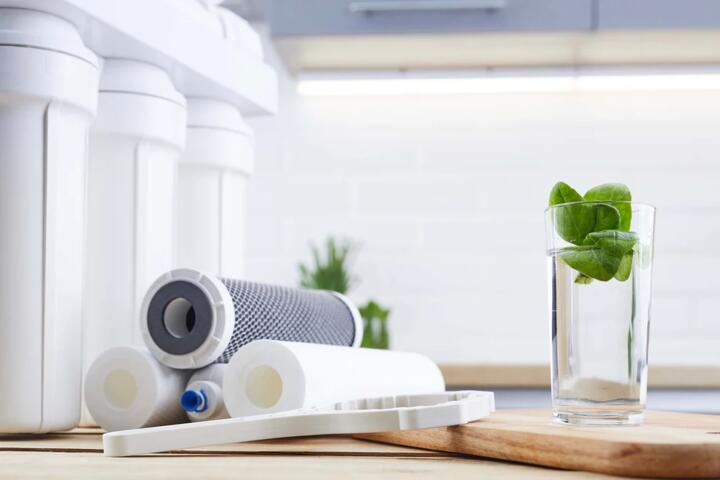
Activated carbon works via adsorption, trapping chlorine, volatile organic compounds (VOCs), and odors. Block carbon filters remove particles larger than 0.5 microns, improving clarity and smell. Brands like Brita or Aquasana use granular or block carbon in pitcher, under-sink, or whole-house formats.
Carbon filters don’t affect dissolved minerals or microbes. Their effectiveness drops as the carbon saturates; lifespan usually is 3 to 6 months for pitchers and up to 12 months for whole-house units. Carbon filters cost less upfront than RO or UV systems but rarely alone deliver microbiologically safe water.
Combined Systems
For more demanding water quality, combining methods works best. RO plus UV covers dissolved contaminants and pathogens. Adding a carbon post-filter polishes taste. Commercially, systems that combine three stages can cost $500–$1,000 and reduce customer complaints substantially. This hybrid approach fits well in areas with complex water quality challenges.
Monitoring and Maintenance
Tracking system performance with TDS (total dissolved solids) meters for RO or water quality test kits promotes timely maintenance. Ignoring this leads to fouled membranes, ineffective UV lamps, or clogged carbon, which risks contaminated water passing through undetected.
Installation Considerations
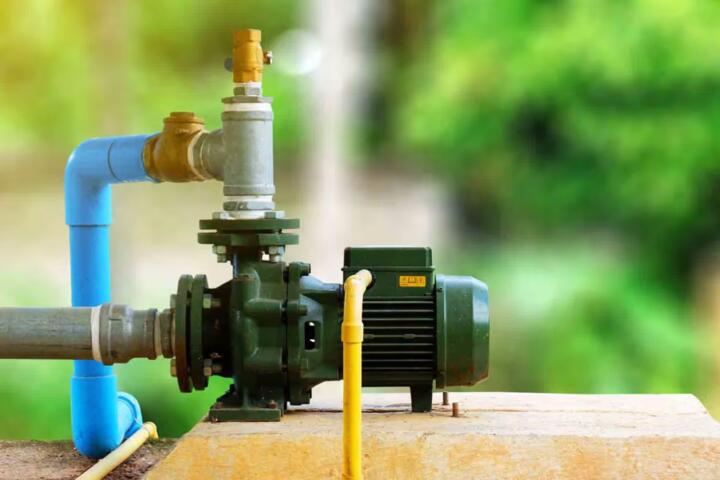
RO demands water pressure above 40 psi to work efficiently; a booster pump may be needed in low-pressure areas. UV requires power and stable flow rates. Carbon filters are more flexible but require precise cartridge changes. Locations with hard water will shorten filter life across the board.
Costs and Benefits
Expect to pay around $200 to $400 for good carbon filter pitchers and $300 to $1,000 for under-sink RO systems. UV units add $200 to $600 for residential use. Operational costs vary: RO membranes and prefilters cost about $50 annually; UV bulbs $30 to $70. Total costs depend on water usage patterns and contamination levels.
Real Filtration Examples
A rural school in Nebraska switched from basic chlorination to combined UV-RO treatment after lead contamination was detected above EPA limits. Lead dropped from 20 ppb to under 2 ppb, with microbial counts near zero. They cut water waste by 25% by recycling reject water using a refurbished pump system.
Meanwhile, a city office building in Chicago installed a carbon block filter system to improve taste and remove chlorine, achieving 75% reduction in customer complaints about tap water taste. No microbial treatment was needed as water was municipal and monitored. Filter replacements every 9 months optimized ongoing costs.
Filter Comparison Chart
| Parameter | RO | UV | Carbon |
|---|---|---|---|
| Removes Microbes | Partial | Yes | No |
| Dissolved Solids | Up to 99% | No | No |
| Chlorine Removal | Some | No | Yes |
| Water Waste | High | None | None |
| Maintenance | Medium | Annual bulb | Quarterly filter |
| Cost Range | $300–$1,000 | $200–$600 | $20–$200 |
Frequent Errors
Failing to test water quality before choosing filtration. You might get an RO system thinking it solves all, but if source water lacks chemical contaminants, a carbon or UV filter could suffice and cost less.
Neglecting regular maintenance kills system performance. UV lamps degrade invisibly. Carbon filters saturate silently but deliver poor taste and odors. RO membranes clog if prefilters aren't changed timely.
Overlooking installation needs also limits output. Low water pressure severely limits RO output. UV systems installed before sediment filtration lose efficacy due to cloudiness. Such mistakes waste time and money.
FAQ
Does reverse osmosis remove bacteria?
It removes most bacteria, but very small viruses may pass. Combining RO with UV maximizes safety.
Can UV kill all germs in water?
UV can inactivate nearly all bacteria and viruses if water clarity is good. Turbid water reduces effectiveness.
How often do carbon filters need changing?
Typically every 3 to 6 months, depending on usage and water quality. Some whole-house filters last up to one year.
Is water wasted with RO systems?
Yes. Older models waste about 3 gallons for every gallon purified, newer ones waste less with recycling tech.
Do carbon filters remove fluoride?
No, carbon does not reduce fluoride levels. RO systems are needed to remove fluoride effectively.
Author's Insight
I’ve installed all three filtration types across varied settings—from rural wells to urban offices—and each serves distinct roles. RO shines on dissolved solids, but high pressure and maintenance discipline are mandatory. UV protects against infection, something I rely on with shaky wellwater. Carbon excels as a low-cost taste fix but is no foolproof shield. Attention to detail on install and upkeep prevents most headaches. Testing source water saves surprises.
What to Remember
Choosing between reverse osmosis, UV, and carbon filters depends on water issues and goals. RO best removes dissolved solids and metals. UV excels at disinfection. Carbon filters enhance taste and remove chlorine. For diverse contaminants, layered approaches produce the cleanest results. Regular maintenance and testing keep systems running effectively. Pick equipment aligned with your water chemistry, and stay alert to upkeep needs.