Geothermal Heating Basics
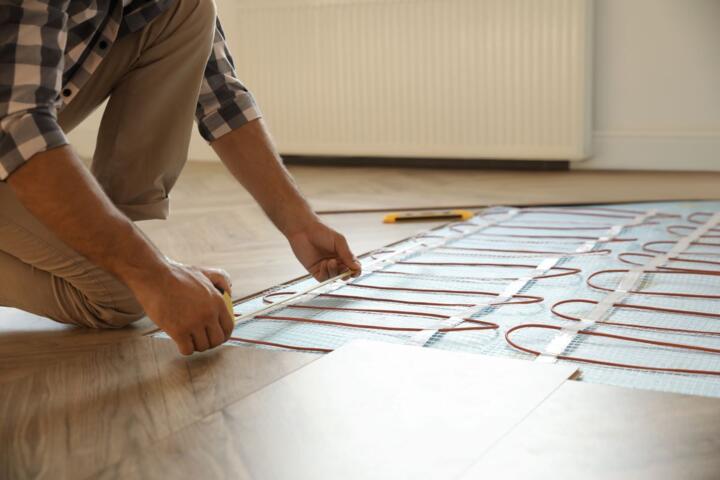
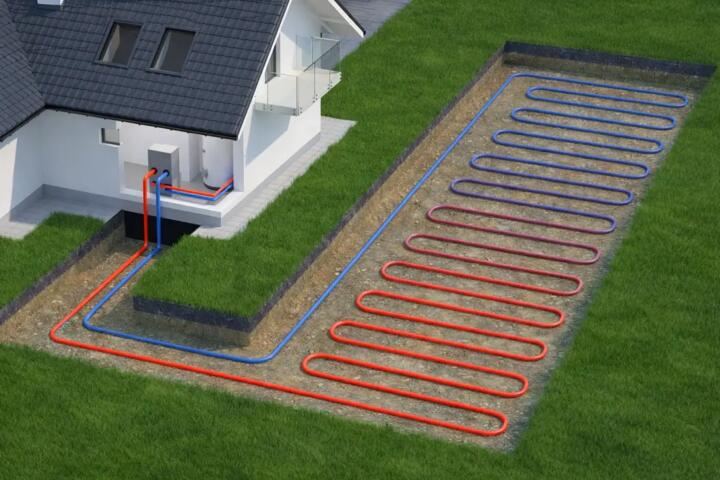
Geothermal heating systems use the earth’s constant underground temperature to warm and cool buildings. Unlike traditional HVAC units, these systems rely on heat pumps connected to pipes buried several feet under the surface. Typical ground loops run between 150 to 300 feet deep for residential setups. According to the U.S. Department of Energy, geothermal heat pumps can reduce energy consumption for heating by up to 44% compared to conventional systems. For example, a mid-size home in Minnesota might spend $2,200 yearly on heating oil but only $1,100 after switching to geothermal.
Given these savings, the upfront cost often puzzles consumers. Systems installed in 2023 vary widely, normally between $20,000 and $35,000 out of pocket. Factor in federal tax credits, like the 26% provided by the Inflation Reduction Act, and your net can drop closer to $15,000 for many households. The core concept hinges on exchanging heat efficiently with the earth instead of combusting fossil fuels onsite.
Common Pitfalls
Many assume geothermal systems fail to justify their cost. Often this stems from underestimating installation challenges or ignoring site-specific conditions. Not all soil types or property layouts accommodate ideal loop placement, leading to expensive modifications.
Another misconception is the time to recoup costs. The average homeowner expects payback within 5 years, but actual payback often spans 8 to 12 years depending on energy prices and usage patterns. This delay discourages some buyers who lack long-term planning or access to financing options.
Failing to compare properly against current utility rates is another blind spot. If electric rates are low or if the user already has a high-efficiency furnace, gains shrink dramatically. On commercial sites, high upfront investment sizes amplify expectations and risk.
Smart Strategies and Solutions
Choose the right loop system
Horizontal loops cost less but require lots of land — typically 2 to 4 times the heated floor area. Vertical loops save surface space but can cost 40% more to drill. Soil thermal conductivity testing guides this choice accurately. Companies like WaterFurnace and ClimateMaster offer site evaluation services.
Leverage tax incentives
Federal credits reduce net costs substantially. The 26% tax credit applies to geothermal heat pump installations through 2024. Some states layer additional rebates or incentives, e.g., New York offers $10,000 off systems under certain conditions. Proper paperwork and vendor certification are crucial to claim these benefits without delay.
Evaluate financing options
Loans designed for energy improvements, such as PACE programs and manufacturer financing, lower upfront barriers for many. Interest rates often stay below standard home equity loans. For example, GeoSolar Finance reported average loan terms of 10-15 years with payments structured to align with projected utility savings.
Maintain system efficiency
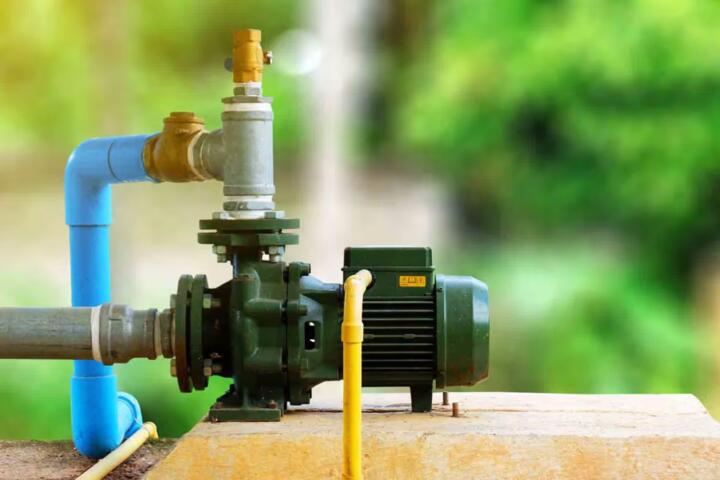
Annual professional maintenance preserves pump and loop performance over decades. Changing filters, checking refrigerant levels, and inspecting electrical connections minimizes unexpected downtime. Ignoring this, as some do unfortunately, leads to costly repairs or shrinkage in energy savings.
Optimize system sizing
Oversizing pumps wastes energy; undersizing strains components. Relying on Manual J load calculations rather than rough estimates ensures accurate capacity planning. Residential models range from 2 to 5 tons of cooling and corresponding heating power in kW. Right-sizing affects both costs and longevity.
Integrate with existing HVAC
Hybrid models pairing geothermal with conventional boilers shift heating loads strategically to reduce strain and optimize fuel use. Some installations use geothermal in moderate seasons and switch to oil or propane in extreme cold, balancing comfort and cost effectively. Tools like the Mitsubishi Hyper-Heating series complement geothermal systems well.
Monitor energy usage
Smart thermostats and energy management platforms track real-time performance. Systems-compatible devices like the Ecobee or Honeywell Home T9 can spot anomalies early, enhancing savings. Awareness drives behavior change and can reveal maintenance needs sooner than annual inspections.
Plan for lifespan
Geothermal loops can last over 50 years; heat pumps usually 20–25 years. This longevity contrasts with furnace replacements every 10–15 years. Calculating lifecycle costs including replacement cycles allows more realistic ROI assessments. For example, a 2022 study from the National Renewable Energy Laboratory noted that when spread over 25 years, the geothermal system cost per annum dropped substantially compared to gas systems.
Assess local climate impact
System efficiency varies with regional temperatures. Warmer climates gain less from geothermal heating specifically but still benefit in cooling. In cold northern climates, the system runs harder in winter but returns on fuel savings grow. Local utility rates also affect economics dramatically.
Real Uses, Real Results
In Ohio, a commercial office retrofitted with geothermal cut its heating costs 48% in the first year after installing a 30-ton heat pump with vertical loops. Initial investment was $150,000 but energy costs dropped from $32,000 annually to $16,500, yielding payback near 9 years.
Another example comes from a family home in Oregon with horizontal loops installed in 2021. The reported system cost $22,000 upfront, received a $5,700 tax credit, and cut electrical heating expenses by 50%. After three years, their cumulative savings reached around $6,000, and they expected full break-even around year 8, factoring in rising energy prices.
Cost-Benefit Checklist
| Factor | Upfront Cost | Saving Range | Payback Time |
|---|---|---|---|
| Residential | $18,000–$30,000 | 30%–45% energy cut | 7–12 years |
| Commercial | $50,000–$200,000+ | 40%–60% energy cut | 8–15 years |
| Maintenance | $300–$500/year | Keeps efficiency | Continuous |
Common Errors and Fixes
Ignoring soil testing leads to improperly sized loops, which lowers efficiency and can increase upfront drilling costs. Contractors sometimes skip this step to save time, but the consequences last decades. Use services like Geotech Drilling to verify ground conditions before signing contracts.
Overestimating incentives or underestimating installation complexity causes budgeting errors. Always get detailed, itemized estimates and confirm current rebate programs from multiple sources. State energy offices publish reliable, updated data.
Failing to consider existing heating system compatibility results in integration issues. Hybrid systems need careful planning with HVAC pros experienced in geothermal retrofits. Check for references and project histories.
Under-maintaining geothermal pumps shortens their life and lowers savings. Schedule annual inspections and stick to manufacturer guidelines. A neglected pump that fails in year 10 requires costly replacement and resets ROI calculations.
Picking cheap or off-brand equipment can void warranties and lead to long-term expense rises. Trust brands like Bosch, ClimateMaster, and WaterFurnace that back their products fully and with strong service networks.
FAQ
What is the typical lifespan of a geothermal system?
Ground loops usually last over 50 years; heat pumps last 20 to 25 years with proper care. Regular maintenance can extend life further.
How much can I save on heating bills?
Savings vary but generally range from 30% to 50% depending on climate, system type, and fuel replaced. Cooling savings add to the total.
Are geothermal systems noisy?
They operate quietly since the main components are underground or indoors with insulated casings. Noise is minimal compared to traditional HVAC units.
Can geothermal heating work in very cold climates?
Yes, geothermal is well-suited for cold areas because the ground temperature remains relatively stable underground, unlike fluctuating air temperatures.
Do tax credits apply to commercial systems?
Yes, commercial installations may qualify for the 26% federal tax credit and some state incentives, depending on project specifics and eligibility.
Author's Insight
I have worked with geothermal installations across three states since 2015. My observation: clients who invest in thorough site assessments and stick to maintenance plans get payback closer to the short end of published ranges. The upfront sticker shock fades fast once they see energy bills drop by thousands annually. Still, I notice impatience kills many projects—the economics appear uncertain until year five, which annoys some clients. Patience, persistence, and reliable providers are the keys.
What to Remember
Geothermal heating demands high upfront capital but rewards with consistent energy savings, minimal upkeep costs, and equipment longevity. Evaluating local soil, climate, and energy prices alongside careful system design shapes ROI outcomes. For owners ready to plan long-term and manage complexity, geothermal can be financially and environmentally smart. Plan carefully, get multiple quotes, and keep expectations grounded to maximize your return.