Learning Solar Water Heating
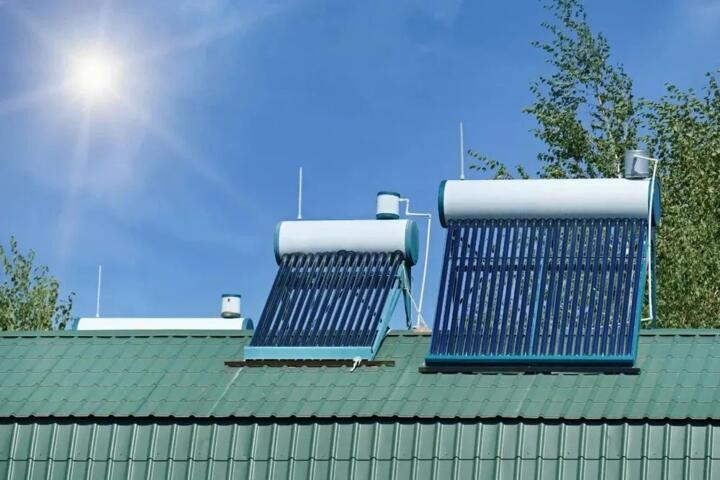
Solar water heaters capture solar rays to warm water for household or industrial use, bypassing conventional electric or gas systems. Basic versions include flat-plate collectors and evacuated tubes mounted on rooftops, absorbing sunlight and transferring heat to water inside pipes or tanks. For instance, an average U.S. home can reduce water heating electricity use by about 50% with one installed system. Most systems work year-round, especially in sunny regions, providing an eco-friendly energy source that translates into real cash saved.
Commercial examples abound: hotels in Florida have cut operational costs by integrating solar thermal systems covering 30-50% of their water heating. These setups rely on low-tech, proven mechanics — no fancy electronics, just sun, water, and heat exchange.
Problems and Misconceptions
Many think solar water heaters require high maintenance or underperform on cloudy days, leading to hesitation. But modern glycol-filled closed-loop systems withstand freezing and overheat issues efficiently, maintaining performance across seasons. Not addressing these myths leads to missed opportunities for savings and environmental impact reductions. Users often expect instant savings, overlooking that payback typically unfolds over 5-8 years, depending on fuel costs and usage.
Improper sizing also causes poor results; too small a system forces fallback on alternative heating. This leads to higher bills and frustration. The upfront cost, ranging from $2,000 to $5,000 before incentives, also deters adoption, though rebates can lower this substantially.
Practical Solutions and Tips
Choose the Right System
Select between active (pump-driven) and passive (thermosiphon) setups based on climate and budget. Active systems operate more efficiently in variable weather but cost more upfront. Passive systems have no moving parts, reducing maintenance risk. Assess location sun hours; 4+ hours daily means good returns.
Professional Site Assessment
Have installers measure roof angle, shading, and plumbing needs. This prevents undersized or misplaced arrays. A good survey predicts output accurately; I use SolarEdge's monitoring tools in audits, which, frankly, show exact energy gain and losses during trial runs.
Use High-Quality Collectors
Vacuum (evacuated) tubes outperform flat-plates in cold or cloudy conditions, boosting year-round production by about 20%. Budget constraint? Flat-plates handle sunny areas well and cost less upfront.
Incorporate Thermal Storage Tanks
Oversized tanks store heat longer, reducing reliance on auxiliary systems at night or during bad weather. A 120-gallon tank is typical for a 3-4 person household, balancing storage without losing heat unnecessarily.
Integrate Backup Heating Smartly
Electric or gas backup systems should activate only when solar energy runs low. Controllers like those from Apricus offer efficient switching, avoiding unnecessary auxiliary use that erodes savings.
Regular Maintenance Checks
Flushing the system every 3-5 years prevents sediment buildup, which clogs heat exchangers. Inspect antifreeze levels annually if in freeze zones. Neglect leads to expensive repairs later.
Take Advantage of Incentives
Federal credits cover up to 26% of installation costs as of 2024. Many states and utilities offer additional rebates, cutting payback times down impressively. Use DSIRE database to check your local discounts.
Monitor System Performance
Smart meters paired with apps track heat production and detect problems early. For example, when my system's output dipped, alerts led me to fix a blockage before it grew costly.
Combine Systems for Efficiency
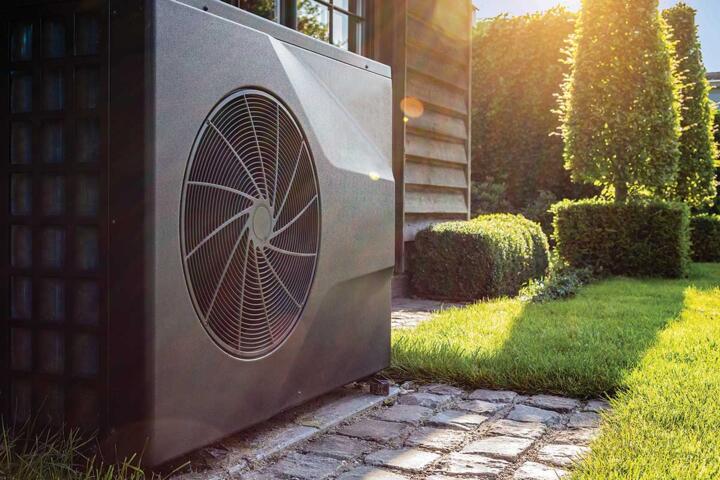
Pair solar water heating with energy-efficient appliances like tankless water heaters or heat pump units. This reduces total energy use, making the solar contribution even more impactful.
Examples From the Field
GreenStay Hotels in Arizona retrofitted 200 rooms with solar thermal water heaters in 2022. They saw a 40% reduction in gas consumption for water heating, cutting annual costs by $90,000 within 18 months. The initial $450,000 investment qualified for state rebates covering 30%, totaling $135,000.
In rural Oregon, a family switched from electric heaters to evacuated tube solar water systems in 2020. Their electric bill for water heating dropped from $65 to $20 monthly. They used a local installer, SunTrust Solar, who provided a 10-year guarantee—important since remote locations mean repair trips take days.
Choosing Solar: Pros and Cons
| Aspect | Solar Water Heater | Electric Heater | Gas Heater |
|---|---|---|---|
| Cost | $2k-$5k upfront | Low upfront | Medium upfront |
| Running Cost | Minimal | High | Medium |
| Maintenance | Medium (flush, antifreeze) | Low | Medium |
| Eco Impact | Very low emissions | High emissions | Moderate emissions |
| Efficiency | Up to 70% | 95%+ | 80%-90% |
Avoiding Common Errors
Over-sizing the system wastes money and space; undersizing causes fallback costs. Sizing must match household or business hot water demand carefully. Ignore manufacturer specs at your peril; real testing counts more.
Skipping professional installation typically results in leaks or poor roof integration. DIY might look cheaper, but fixes cost more down the road.
Neglecting local codes can lead to fines or insurance problems. Consult local agencies early to cover legal bases.
Not cleaning panels annually reduces efficiency by up to 15%. Those dirty roofs are a missed opportunity.
FAQ
How much can I save annually?
Typical savings range from $150 to $500 per year, depending on system size, usage, and fuel costs.
Do solar water heaters work in winter?
Yes, but efficiency drops with less sunlight. Systems with antifreeze loops maintain function in cold climates.
Are solar water heaters noisy?
No. Passive models have zero noise; active ones only produce minimal pump sound.
Can I install a system myself?
It’s possible but not recommended due to plumbing complexity and warranty concerns.
What maintenance is needed?
Annual checks on fluid levels, panel cleanliness, and system pressure minimize breakdowns.
Author's Insight
From my experience, the simplest systems deliver the most consistent results. I’ve seen homeowners save hundreds annually after switching to evacuated tube arrays, even in mixed climates. The upfront cost often intimidates, but tax credits and rebates bridge the gap. Monitoring tools have helped me detect dips in performance early, preventing expensive repairs. I recommend combining solar thermal with other efficiency steps for best value.
Summary
Solar water heaters cut energy bills and greenhouse gases with minimal complexity. Proper sizing, quality installation, and ongoing maintenance make the difference between good and poor outcomes. Use incentives to lower upfront costs and monitor system performance continually. Join those who warm water with the sun and save—cold showers or high bills don’t stand a chance.