Learning Pipe Freezing Risks
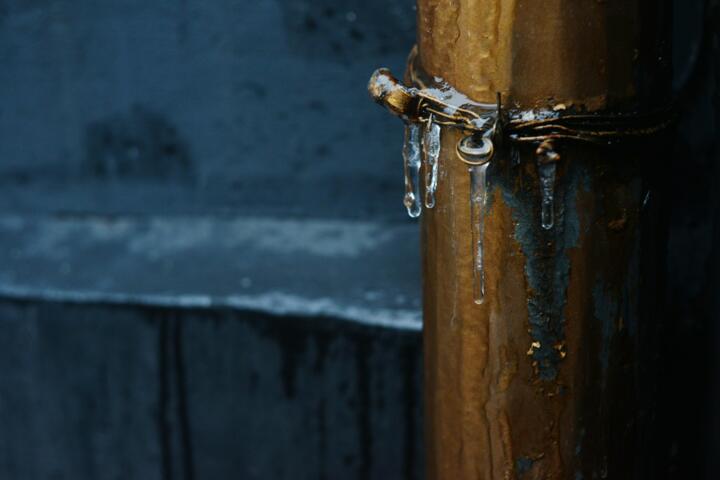
Pipes freeze when exposed to temperatures below 20°F (-6°C) for extended periods. Water inside them expands upon freezing, increasing pressure that can burst even metal pipes. In 2019, the Insurance Information Institute estimated over $10 billion in annual claims stemmed from frozen pipes. Cold spots often appear in unheated basements, crawl spaces, or exterior walls.
For example, a polyethylene pipe running along an exterior wall in a Midwest home easily freezes without protection. Not everyone notices until the faucet won’t run, or worse, the pipe leaks —which damages floors and drywall extensively.
Simple precautions can limit that damage drastically.
Mistakes Leading to Freezes
Neglecting pipe insulation ranks high among preventable errors. People assume interior pipes are immune, ignoring that unheated spaces within walls or garages face temperature drops below freezing. Another error includes using improper insulation types without assessing pipe diameter or exposure.
Some attempt heat trace cables without matching power ratings or neglect installing them on the most vulnerable pipe sections, like bends or joints. Others rely solely on heat tape without layering insulation, reducing effectiveness and raising energy use.
Lack of routine winter checks also adds risk. Cold snaps get unexpectedly harsh, leaving pipes unprotected despite available solutions. Resulting pipe bursts can flood homes, forcing emergency repairs and temporary relocation.
Proven Steps to Protect Pipes
Thick Foam or Rubber Insulation
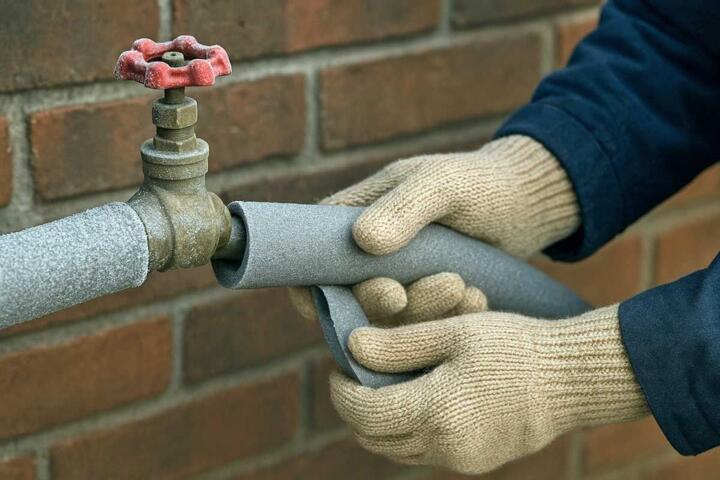
Insulating pipes with foam tubes rated for at least R-3 minimizes heat loss. Closed-cell rubber tubes withstand compression better, lasting longer near mechanical systems. Wrap segments at least 0.5 inches thick, sealing seams with waterproof tape to avoid moisture ingress. For cold climates, boost thickness to 1 inch or more.
Schluter Systems and Frost King offer popular products. These materials slow freezing by limiting cold air contact and preserving pipe warmth longer —even during brief power outages.
Properly Applied Heat Trace Cables
Electric heat trace cables maintain pipe temperature actively. Self-regulating cables adjust output based on ambient temperature, preventing overheating. Install along pipe length, especially vulnerable sections like outdoor spigots and exposed bends. Secure with manufacturer-recommended fasteners to maintain contact.
Resistive cables draw consistent power, beneficial in stable conditions but risk wasting energy. Heat Trace USA and Smith & Loveless make reliable models. Typical installations consume 5-15 watts per foot, depending on cable type and pipe diameter.
Combining Insulation with Heat Tracing
Heat cables alone won't keep pipes safe without insulation. Wrapping insulated pipes reduces energy used by trace cables up to 30%. This combo creates a protective barrier that retains cable warmth, improving efficiency and lowering utility bills, which matters on long cold spells.
Sealing Gaps and Drafts
Cold air seeping through wall cracks or around vents chills pipes quickly. Caulk or spray foam around pipe penetrations and in surrounding cavities to block drafts. For crawl spaces, heavy-duty plastic sheeting combined with insulation boards can reduce temperature swings substantially.
Thermostat-Controlled Heat Cables
Automating heat cable operation with thermostats adds control and energy savings. Set cut-in temperatures around 38°F (3°C) to activate heat only when freezing risk begins. Systems like the FrostKing ThermWatch limit unnecessary power draw, increasing lifespan and reducing fire hazard.
Routine Inspections and Testing
Check insulation integrity early autumn and before freezing nights. Inspect cables for frays or improper attachment. Use infrared thermometers (like Fluke 62 MAX+) to detect cold spots along pipes, enabling targeted fixes before freezing occurs.
Outdoor Spigot Protection
Install insulated covers that snap over spigots to reduce exposure. If they’re not frost-free models, drain and shut off supply valves before winter. Overlooked outdoor valves cause 20-30% of pipe freeze claims according to some drain specialist reports.
Pipe Routing in Construction
Rerouting water pipes away from exterior walls or unheated zones prevents freezes upfront. For remodels or new builds, run pipes through heated interior walls or slab floors. This planning slashes freeze risk without ongoing energy consumption.
Professional Installation and Compliance
Adhere to local plumbing codes that specify insulation and tracing requirements. Skilled contractors avoid common pitfalls like tight bends or insufficient thermal barriers. Hiring certified professionals often grants warranty coverage for both insulation and heating systems.
Real Cases of Prevention
In 2021, a Denver hotel faced repeated pipe freezes in its lobby fountain system during winter nights, causing costly downtime. They installed self-regulating heat trace cables paired with 1-inch closed-cell insulation on affected pipes. The system reduced freeze incidents to zero during the following two winters, dropping repair costs from $25,000 annually to near zero.
Another example: a suburban home in Minneapolis lost water for 24 hours after a burst pipe behind an exterior wall. After repairs, the owner retrofitted high-grade foam insulation (R-4), sealed wall gaps, and ran thermostat-controlled heat cables along vulnerable lines. This setup cut heating expense growth by 15% compared to running heat cables nonstop, yet prevented another freeze during the harsh 2023 polar vortex.
Solutions Guide
| Method | Cost/Foot | Energy Use | Effectiveness |
|---|---|---|---|
| Foam Insulation | $0.50–$1.50 | None | High if sealed well |
| Rubber Insulation | $1.50–$3.00 | None | Very High durability |
| Self-Regulating Cable | $5–$10 | 5–15 W/ft | Best with insulation |
| Resistive Cable | $3–$6 | 7–20 W/ft | Good, steady heat |
| Thermostat Control | $20–$50/unit | Reduces power waste | Improves cable life |
Usual Errors to Dodge
Starting heat trace cables before completing insulation — wastes power and raises fire risks. Overlapping cables can cause hotspots. Not securing cables properly leads to detachment, reducing effect. Many forget to use GFCI outlets during installation, which local codes typically require.
Assuming outdoor spigots don’t need winter care — they do. Ignoring manufacturer wattage limits for cable lengths risks failures. Also, patchy sealing around pipes hands cold air a direct route, negating efforts.
Avoid undersized insulation thickness in subfreezing zones — it’s more than padding, it’s a barrier. Skipping functional testing until the first freeze is an invitation to disaster.
FAQ
Can I use standard foam insulation for all pipes?
No. Foam insulation must match pipe diameter and exposure; outdoor or crawl space pipes typically need thicker, weather-resistant types to perform well.
How long do heat trace cables last?
With proper installation and maintenance, heat trace cables can last 10 to 15 years, depending on brand and usage intensity.
Is a thermostat on heat cables necessary?
Thermostats save energy by activating cables only when temperatures approach freezing, extending cable lifespan and cutting costs.
What insulation R-value works best for freezing pipes?
At minimum, R-3 on indoor pipes; R-4 to R-6 recommended for exterior or unheated areas; more is better in colder regions.
Can I install heat cables myself?
Some packages are DIY-friendly, but incorrect installation risks fire hazards. Consulting experienced electricians or plumbers is safer and often code-mandated.
Author's Insight
I've handled pipe freeze prevention for 15 years and noticed that layering matters most. Insulation without heat trace often falters under prolonged cold. Conversely, cables without insulation burn electricity and rarely work as manuals say. Combining them with smart thermostats changed maintenance routines significantly — fewer callouts, happier clients. Checking each winter before cold rushes solves 90% of issues long before burst pipes threaten.
Final Thoughts
Preventing frozen pipes depends on protecting piping from cold with adequate insulation and using heat trace cables selectively. Sealing drafts and monitoring systems seasonal reduce failures. Coordination between smart thermostats and correct cable types lowers energy usage noticeably. Regular inspection prevents emergencies. Avoid shortcuts on installation or product quality; investing now saves thousands in water damage repairs later.