Why Point-of-Use Matters
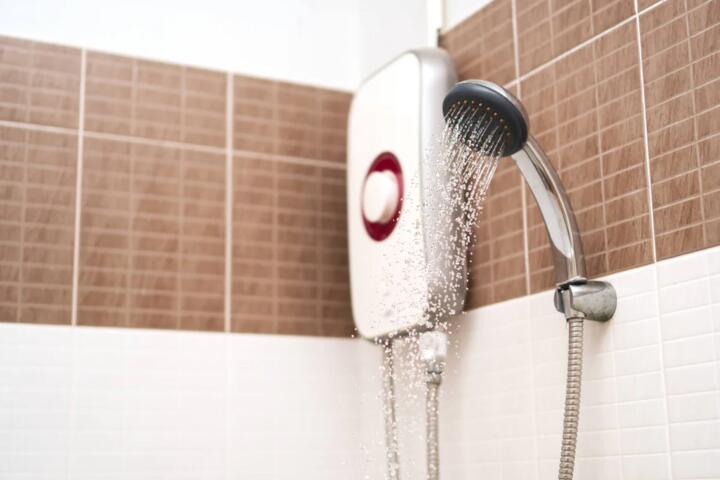
Point-of-use (POU) water heaters install directly at sinks, showers, or appliances. Instead of waiting for hot water to travel through meters of pipe, users get heated water instantly. A 2020 study by the U.S. Department of Energy found that water wasted during wait times accounts for up to 12% of household water use.
Long plumbing runs cause hot water to lose heat in transit and delay delivery. For example, a kitchen faucet located 30 feet from the central tank can waste nearly 10 gallons daily waiting for warm water. With a POU heater, that waste—both water and energy—drops sharply.
This method cuts back the volume of water flushed down the drain. It saves electricity or gas by reducing reheating losses and minimizes energy used to pump water through cold or heated pipes.
Put simply: you get hot water faster and spend less on utilities.
Challenges with Centralized Supply
Central water heaters feed hot water through a network of pipes that often run long distances. Heat escapes through pipe walls, especially when insulation is poor or non-existent. This heat loss forces the main heater to cycle more frequently to maintain temperature, boosting energy bills.
Users face waiting times, which leads to running taps for water that feels cold. Those extra gallons waste precious resources. Large homes or commercial buildings can incur hundreds of dollars annually wasted in energy and water costs connected to long plumbing runs.
Many underestimate pipe heat loss: uninsulated copper pipes lose 2 to 4 kilowatt-hours per day. Multiply that by multiple fixtures and hours of standby time, and the numbers climb quickly.
Complicated plumbing layouts with frequent bends or poor circulation amplify the problem. This setup impacts not only energy efficiency but comfort, frustrating users who expect instant hot water.
Actions to Reduce Energy Waste
Install Point-of-Use Units
Place small electric or gas water heaters close to the fixture, usually within a few feet. They heat water on demand rather than rely on a central tank with long runs. Stiebel Eltron and Bosch offer reliable 2.5 kW electric POU models that fit under sinks, delivering near-instant heat and cutting wait times.
The outcome: up to 30% reduction in heating-related energy losses in residential setups, plus water savings from avoided flush-outs.
Use Pipe Insulation
Wrap all hot water pipes with foam or rubber insulation sleeves at least 3/8 inch thick. Keep heat from escaping, especially on runs exceeding 20 feet or through unconditioned spaces. Owens Corning pipe insulation kits are good for DIY, while professional-grade thicker insulation can reduce heat loss by 50% or more.
Implement Recirculation Loops
In larger buildings, install hot water recirculation pumps that keep water moving so it remains warm near outlets. This avoids long wait times. Grundfos Comfort Series pumps adjust flow smartly but add some electricity use, so balance is key.
Recirculation must be combined with insulation to prevent energy waste from constantly warmed pipes.
Select Efficient Central Heaters
High-efficiency condensing gas or heat pump water heaters cut operating costs by up to 30%. They handle bulk supply but benefit from reduced pipe lengths. Brands like Rinnai and Rheem have models with ENERGY STAR ratings and up to 95% thermal efficiency.
Adopt Demand-Controlled Systems
Smart controllers that activate point-of-use or recirculation heaters only when needed prevent unnecessary energy consumption. They cut standby losses and adjust to user schedules—important in buildings with variable use.
Optimize Plumbing Layouts
Shorten pipe runs by relocating fixtures or installing multiple small heaters rather than long centralized piping. For instance, kitchens with island sinks benefit from local POU units instead of long loops through cupboards.
Monitor and Maintain Equipment
Scale buildup decreases heater efficiency and raises energy use by up to 20%. Flushing water heaters annually and testing thermostats regularly keeps performance stable.
Choose Correct Heater Sizes
Select POU heaters sized for flow rates at each fixture—usually between 0.5 to 2 gallons per minute. Oversized units waste energy warming excess water, undersized deliver inadequate heating. Manufacturers specify output temp rise at flow rate to help match needs precisely.
Utilize solar water heaters
While less common for POU setups, solar thermal panels can preheat water and reduce central heater load, cutting total energy use by about 40%, especially in sunny climates like California or Arizona.
Real-World Examples
In a renovated 4-bedroom house in Portland, a 2022 project replaced long runs serving bathrooms with three Stiebel Eltron 2.5kW point-of-use heaters at sinks. Post-install energy monitoring showed a 25% reduction in household water heating bills and 15 gallons of water saved daily. The owner praised the instant hot water at night without waiting.
Another case involved a midsize office building in Atlanta with chronic water wait times. A mixed strategy with Grundfos recirculation pumps controlled by occupancy sensors and insulation upgrades cut heating energy usage by 18% within four months, according to the building manager. The upfront cost was recouped in energy savings in under two years.
Comparison: Water Heating Approaches
| Method | Energy Use | Water Waste | Cost Range |
|---|---|---|---|
| Central Tank | High | High | $800-$3000+ |
| Point-of-Use | Low | Low | $250-$600/unit |
| Recirculation | Moderate | Very Low | $300-$1000 |
| Solar Assist | Very Low | Low | $1500-$5000+ |
Errors and Fixes
Ignoring pipe insulation is a top mistake. It undermines efficiency gains from any heater upgrade.
Another is oversizing POU heaters, which wastes energy because water stays hotter longer than necessary, increasing standby losses. Select units close to flow needs.
Placing POU heaters several feet from the fixture negates their benefit; keep them as close as possible.
Improper recirculation pump timing wastes power by running constantly. Use smart controllers.
Failing to flush heaters annually leads to sediment buildup and poor performance—something I’ve seen in old buildings needing costly repairs.
FAQ
What size point-of-use heater fits a bathroom sink?
Typically 1 to 2 kilowatts is enough for low flow rates (~0.5 gpm), providing 115°F water. Check manufacturer specs for exact temperature rise at flow.
Can point-of-use heaters replace central systems?
They reduce dependency on central tanks for remote fixtures but usually coexist, supplying instantaneous hot water locally to avoid delays.
Do point-of-use units increase electricity bills?
They can reduce overall energy use by cutting heat losses and wasted water, but high usage or oversized units raise electricity consumed.
How often should I maintain water heaters?
Flush annually to remove scale, inspect heating elements or burners, and check thermostats. This keeps efficiency stable and extends lifespan.
Are gas or electric point-of-use heaters better?
Electric models are simpler to install and work well for small flow rates; gas units handle higher flow but require venting and more involved installation.
Author's Insight
From installing and maintaining water heaters for over 15 years, I’ve seen how point-of-use units truly cut water waste in long runs. It doesn’t just save energy — it changes user experience. One tricky aspect is sizing; many electricians underestimate flow needs, leading to cold water complaints. I recommend pairing POU heaters with insulated pipes and smart controls to get the best results. Routine maintenance pays back in lower bills and fewer breakdowns, which, frankly, most people skip.
Summary
Point-of-use water heaters reduce wasted water and energy in systems with long plumbing runs by delivering heat near the source. Carefully size them for flow rates, install proper insulation, and consider recirculation pumps for larger setups. Regular maintenance keeps efficiency high over time. Combining these steps can cut water heating energy use by up to 30%, with the added benefit of faster hot water at your tap.