Radiant Floor Heating Basics
Radiant floor heating works by circulating warm water or electric cables beneath floor surfaces, radiating heat upwards evenly. Unlike forced-air systems, the heat moves directly through floors, warming occupants and objects without air drafts. For instance, a 1,000-square-foot open living room outfitted with hydronic radiant heat maintains a steady temperature with less energy compared to baseboard heaters.
In practical terms, the warmth feels natural underfoot and avoids cold spots common in large rooms where air circulation falters. The U.S. Department of Energy reports radiant systems can reduce heating bills by up to 27% compared to traditional systems. Simply put, these systems bring both warmth and efficiency to spaces where heating often struggles.
Heating Issues in Open Layouts
Large open areas challenge most heating solutions because warm air rises and moves freely, leaving some zones chilly while others overheat. Forced-air systems blow hot air that quickly escapes through vents or gets trapped near ceilings. That type of air movement fails to maintain consistent comfort.
People often assume adding more vents or a bigger furnace fixes this, but more heat blowing around just increases costs without improving comfort. Drafts next to doors and large windows exacerbate heat loss, causing waste. The consequence includes uneven foot temperatures and cold zones where friends or family gather—hardly ideal for living spaces meant for socializing.
Steps to Install and Optimize
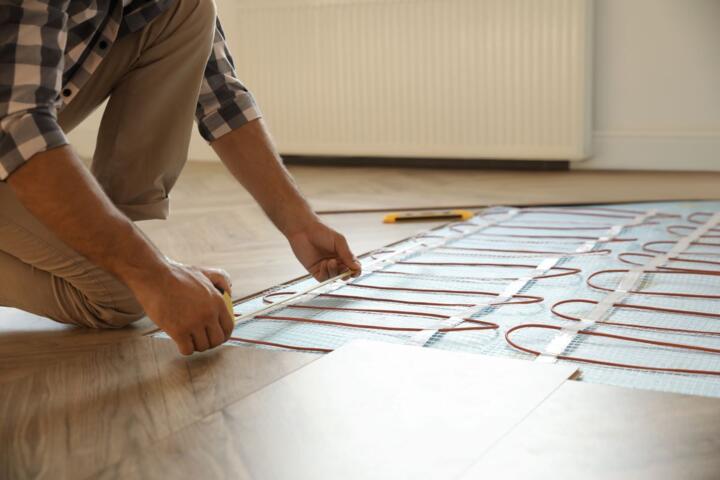
Choose hydronic or electric
Hydronic systems circulate heated water via tubing under floors and suit larger areas with existing boilers. Electric mats provide easier installation but best for smaller zones or renovations. Hydronics excel for open living rooms upwards of 500 square feet, thanks to lower operating costs on natural gas or propane heat.
Layering and insulation
Install a high-R-value insulation board under tubing or mats to prevent downward heat loss. Without this, much warmth escapes below instead of rising into the room. Pro tip: an extra inch of foam insulation significantly reduces wasted BTUs.
Thermostat zoning
Divide open areas into multiple zones controlled independently to match activity patterns or sunlight exposure. Zoning allows 2-3° temperature drops in less-used spaces, saving energy without discomfort. Systems like Nest or Ecobee handle multiple zones elegantly with clear scheduling features.
Flooring compatibility
Radiant systems work best with tile, stone, or engineered hardwood floors, which transfer heat effectively. Thick carpet or solid wood insulates too much, reducing radiant efficiency. Open homes with mixed flooring can compensate with area rugs in some rooms, producing slight temperature variation—sometimes welcome.
System maintenance and longevity
Hydronic grids require periodic checks for leaks or pressure loss; well-installed lines last 30+ years. Electric radiant floors are near maintenance-free but may include sensors or thermostats needing occasional calibration. Integrating a smart water heater improves response time and cuts standby loss.
Leveraging rebate programs
Many states offer utility rebates for energy-efficient radiant heating, especially when paired with solar or heat pumps. For example, California’s program can reduce upfront installation costs by 15–20%. Knowing about and applying these incentives makes premium systems more accessible.
Professional installation versus DIY
Professionals ensure piping or wiring layouts avoid obstacles and comply with building codes. Self-installation in open areas — which often have complex subfloor conditions — risks leaks or hot spots. Choose seasoned installers familiar with brands like Uponor or Warmboard, whose products dominate the market.
Real World Results
A boutique hotel in Vermont added radiant hydronic floors to its combined lobby and lounge area totaling 800 sq ft. Problems included uneven heat and guest complaints during winter. After installing Uponor tubing with zoned controls, their heating load dropped by 22%, and occupant comfort ratings improved markedly over the next six months.
A family in Seattle remodeled their open-plan kitchen and living room (1,200 sq ft), swapping electric baseboard heaters for Warmup’s electric radiant mats. They reported warmer floors, no visible heaters, and a 14% reduction in energy bills when comparing winter seasons year over year.
Benefits Checklist
| Aspect | Radiant Heat | Forced Air | Baseboards |
|---|---|---|---|
| Heat Distribution | Even, floor-up | Uneven, ceiling trap | Localized, slow |
| Energy Efficiency | High (up to 27% savings) | Moderate | Low |
| Noise Level | Silent | Fan noise | Silent |
| Installation Cost | High upfront | Moderate | Low |
| Visual Impact | Invisible | Vents visible | Heaters visible |
Installation Pitfalls
Ignoring proper subfloor insulation lets heat escape downwards, resulting in cold spots. Skipping zoning risks overheating parts of the open area while others stay chilly—comfort suffers and energy wastes. Using incompatible flooring restricts heat transfer to the room, reducing efficiency.
Failing to hire an experienced installer often means tubing bends too sharply or mats overlap, causing system failure later. Several times, I’ve seen contractors miss prep steps or misconfigure thermostats, and those mistakes demand costly fixes. Finally, neglecting available rebates means paying more upfront.
FAQ
How deep are radiant tubes installed?
Typically, hydronic tubes sit within a 1.5-3 inch thick screed or embedment layer under your finished floor.
Can I install radiant heating myself?
DIY is possible with electric mats in small areas, but large open layouts benefit from pro installation due to complexity and leak risk.
Are radiant floors compatible with all floor types?
They perform best with tile, stone, or engineered hardwood; thick carpets or solid hardwood reduce heat transfer.
What is the usual lifespan of these systems?
Hydronic systems last 25-35 years with proper maintenance; electric systems often last 20+ years.
Does radiant heat dry the air?
No—radiant systems heat surfaces, not air, so they don’t lower indoor humidity the way forced air can.
Author's Insight
After installing radiant floors in several open-concept homes, I noticed how much family interaction improved. No more fighting over cold spots or adjusting noisy vents. The upfront cost sometimes gives people pause, but long-term savings and comfort always win out. I recommend thorough insulation and zoning to get the most out of these systems, even in rooms with lots of glass or vaulted ceilings.
What to Remember
Radiant floor heating stands out in open living areas for delivering steady, comfortable warmth without airflow noise or visual clutter. By focusing on proper installation—especially insulation, zoning, and compatible flooring—homeowners can solve uneven heat issues and lower energy bills. Selecting the right system and installer, combined with using rebates, makes radiant heat a smart choice for spacious, social homes.