Reusing Greywater Safely
Greywater refers to wastewater from household activities such as showering, bathroom sinks, and laundry that does not include toilet waste. Garden reuse works best when the greywater stream stays low in solids and low in pathogens, which is why many systems focus on showers and sinks rather than kitchen drains. A typical goal is to move treated greywater to soil slowly, so the ground acts as a filter and the water reaches plant roots without pooling.
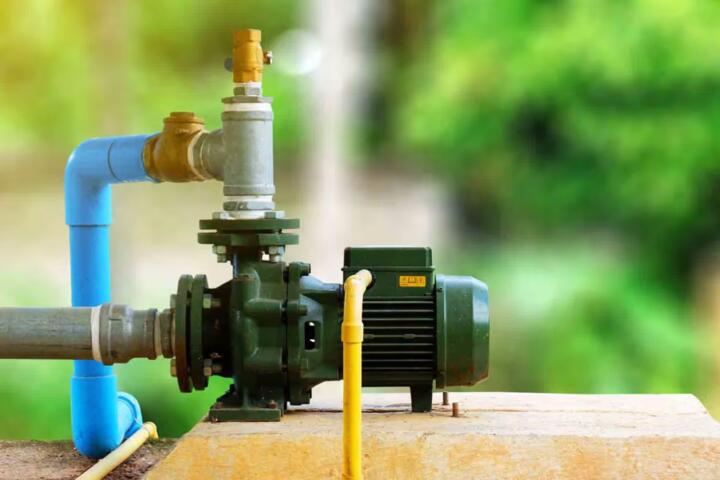
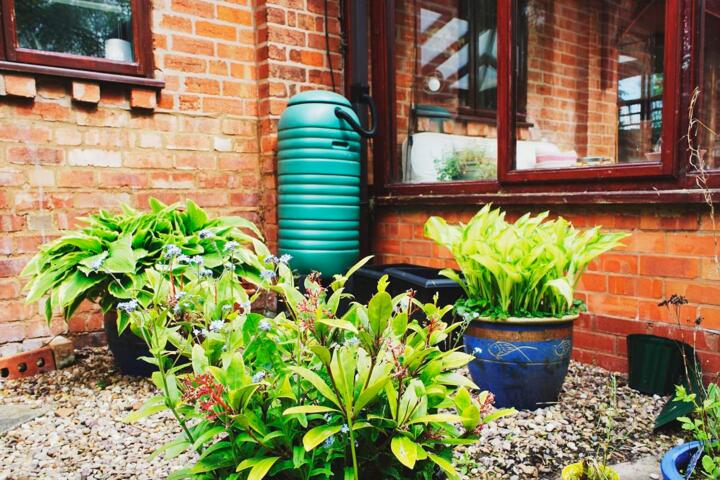
In practice, a simple setup can look like a diverter valve that routes shower water to a storage tank, then a pump that feeds a drip line. A more involved setup adds filtration and disinfection, then uses a controlled irrigation schedule. If you have a small yard, you may still benefit by using greywater for non-edible landscaping, since food crops raise extra scrutiny in many local rules.
One practical detail: many homeowners start by mapping which fixtures produce greywater and which products touch that water. If you use bleach-heavy cleaning routines, the greywater chemistry changes, and some treatment approaches stop working as intended. I’ve seen plans fail because the household switched detergents mid-season, and the system’s filter clogged faster than expected.
Common Pain Points And Risks
People often treat “greywater” as a single category, but the source matters. Laundry greywater can contain detergents, surfactants, and sometimes high salt loads; shower and sink greywater can contain hair, soap residues, and skin oils. Those differences affect clogging, odor, and the effectiveness of filtration and disinfection.
Another frequent mistake involves cross-connection. A greywater line that ties into potable plumbing or backflows into drains can create health and legal problems. Even when the system is designed for irrigation, backflow prevention and correct valve placement matter because pressure changes can move water the wrong way, especially during pump cycles.
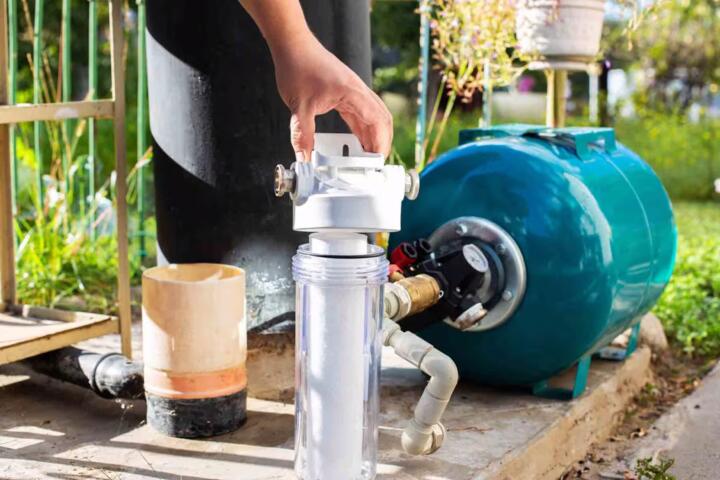
Supporting technologies drive performance. Filtration reduces solids that would otherwise clog drip emitters; storage tanks buffer daily use; pumps move water at controlled flow rates; and disinfection targets microbes that survive treatment. If you skip one piece, the remaining components often get blamed, even though the root cause is a mismatch between greywater quality and the treatment method.
Regulations also shape what is feasible. Many jurisdictions restrict greywater reuse by source, treatment level, and where it can be applied. Some require permits, inspections, or specific installation standards, and rules can differ for single-family homes versus multi-unit buildings. I cannot confirm local requirements for your address, so you’ll want to check your city or county code before buying hardware.
Solutions And Practical Advice
Start With Source Mapping
List each greywater-producing fixture and decide which ones you will route. Many systems work better when they exclude kitchen sinks and garbage disposals, since grease and food particles increase solids and odors. If you include laundry, track detergent type and whether you use fabric softeners or high-sudsing products, since those can leave residues that reduce filter life.
Measure your household’s typical greywater volume for a week. A rough method is to note water meter readings before and after showers and laundry cycles, then estimate daily totals. For a small drip irrigation zone, you may find that shower water alone can cover part of the schedule, while laundry water creates spikes that require larger storage or a different routing plan.
As a small aside, I’ve seen homeowners underestimate peak flow because they only averaged daily use. A system sized for average flow can still overflow a tank during a busy laundry day, and that overflow often ends up dumping untreated water to the drain.
Choose Treatment By Use Case
Decide whether you want “direct to soil” reuse or “stored and treated” reuse. Direct-to-soil approaches often rely on filtration and controlled subsurface delivery, with minimal storage time. Stored systems usually add a tank plus treatment steps such as media filtration and disinfection, which can reduce microbial risk but increases maintenance.
Filtration choices include mesh screens for hair and lint, cartridge or sand media filters for fine particles, and settling tanks for heavier solids. Disinfection options may include ultraviolet (UV) systems or chemical approaches, depending on local code and the greywater’s clarity. UV performance depends on water turbidity, so a cloudy stream can reduce effectiveness even when the UV lamp is working.
One realistic outcome to plan for: drip irrigation emitters can clog if filtration is underspecified. Many drip manufacturers recommend routine flushing and periodic emitter checks; if you skip those steps, you may see uneven watering within weeks, not months.
Design Delivery For Soil Contact
Use irrigation hardware that matches the treatment level. Drip lines with pressure regulation and filters at the irrigation point reduce clogging compared with sprinklers. Subsurface drip can reduce odor and surface exposure, but it requires careful placement to avoid root intrusion and to keep the soil profile from saturating.
Control flow rates to prevent pooling. A common design goal is slow application so the soil can absorb water and act as a final filter. If your yard has heavy clay or poor drainage, greywater reuse can back up and create standing water, which increases odor and insect activity.
For storage and pumping, consider cycling behavior. Pumps that start and stop frequently can stress check valves and create pressure surges; a buffer tank and a simple control strategy can reduce wear. I once reviewed a plan where the pump ran in short bursts, and the check valve failed early because the system experienced repeated water hammer events.
Plan Maintenance And Monitoring
Greywater systems need routine tasks that many homeowners do not budget for. Expect filter cleaning, tank inspection for scum or biofilm, and periodic checks of irrigation pressure and emitter output. Keep a log of filter pressure drop or flow reduction if your system includes gauges, since that trend often predicts clogging before plants show stress.
Test results can guide decisions. Some jurisdictions or system designs require water quality monitoring, while others rely on maintenance records and visual inspection. If you add disinfection, track lamp hours for UV units and follow manufacturer replacement schedules; a lamp that still lights can lose intensity over time.
Maintenance is also where “it worked last season” becomes a problem. Detergent changes, landscaping growth, and seasonal rainfall patterns alter greywater demand and soil absorption, so the system’s performance can drift even when nothing breaks.
Case Examples For Real Homes
Example 1: Shower-Only Drip
A family routes shower water to a small storage tank with a screen filter and a media filter before a drip line. They exclude laundry to keep detergent residues out of the system. During summer, they run the drip schedule based on soil moisture and observe that emitter output stays even for about a month before the media filter needs cleaning.
When they switch to a different body wash with more fragrance oils, the filter clogs faster and the tank scum layer thickens. They respond by increasing filter cleaning frequency and adjusting the irrigation run time to avoid saturating the topsoil. The system remains usable, but the household learns that product chemistry changes the maintenance interval.
Example 2: Laundry With Extra Filtration
A homeowner routes laundry greywater to a treatment train that includes settling, fine filtration, and a disinfection step approved by local code. They use a low-sudsing detergent and avoid bleach-based cleaners. In spring, the system delivers water to a subsurface drip zone under non-edible shrubs.
After a heavy rain week, the yard’s drainage slows, and the subsurface line shows signs of uneven wetting. The homeowner reduces application frequency and adds a drainage check by observing soil moisture at different depths. The lesson is that treatment alone does not fix site conditions; soil absorption capacity sets the ceiling for how much greywater you can apply.
Checklist And Comparison Table
Use this decision support to compare approaches based on risk, maintenance, and fit for your fixtures. Local rules can override technical preferences, so treat this as a planning tool rather than a code substitute.
| Option | Typical Fixtures | Main Tradeoff | Best Fit |
|---|---|---|---|
| Direct To Soil | Often showers/sinks | Less storage buffering | Small systems with steady use |
| Stored With Filtration | Showers, some laundry | Tank maintenance and odors | Homes with variable daily use |
| Stored With Disinfection | Broader greywater sources | Higher complexity and monitoring | Sites requiring higher treatment level |
Step-by-step checklist for a safer build:
- Confirm local greywater rules for your address, including permitted sources, treatment level, and where irrigation can occur.
- Map fixtures to decide which streams enter the greywater system and which streams stay on the normal drain.
- Choose filtration sized for your expected solids load, then plan for routine cleaning intervals.
- Design irrigation delivery for slow soil absorption using drip or subsurface drip, with pressure regulation and flushing.
- Install backflow prevention and correct valve routing so greywater cannot enter potable lines.
- Plan overflow handling so excess water goes to the approved drain path, not onto the surface.
- Keep a maintenance log and check performance after detergent changes or seasonal landscaping changes.
Common Mistakes That Derail Reuse
One common failure is oversizing the system for peak use without planning overflow. When storage fills, many setups dump to drains in ways that violate local expectations or create surface wetting. A smaller tank with a conservative control strategy can sometimes perform better than a large tank that overflows during laundry spikes.
Another mistake is using greywater on edible crops without confirming rules and treatment requirements. Even when greywater is filtered, it can still carry microbes and chemical residues that matter for food safety. Many jurisdictions restrict greywater reuse to non-edible landscaping or require higher treatment and specific application methods.
People also underestimate detergent and chemical effects. High-salt detergents can accumulate in soil and harm plant growth over time, and bleach or strong cleaners can interfere with biological treatment steps. If you switch products, watch plant response and filter clogging patterns for a few weeks, since the system often shows changes quickly.
Finally, homeowners sometimes skip irrigation maintenance. Drip emitters need periodic flushing, and filters need cleaning before flow drops enough to cause uneven watering. Uneven watering looks like “plants are failing,” but the cause can be a clogged emitter line rather than a plant problem.
FAQ
What Counts As Greywater?
Greywater typically includes wastewater from showers, bathtubs, bathroom sinks, and laundry that does not include toilet waste. Kitchen sink wastewater often receives separate treatment because grease and food residues raise solids and odor loads.
Can Greywater Be Used For Edible Gardens?
Some locations restrict greywater reuse for edible crops or require higher treatment and specific application methods. Check your local code and any health department guidance before irrigating vegetables or herbs.
How Do I Prevent Clogging In Drip Lines?
Use filtration sized for the greywater source, add a filter at the irrigation point, and flush the drip line on a schedule. Monitor pressure drop or flow reduction, since clogging often starts gradually.
Does Greywater Need Disinfection?
Disinfection needs depend on local rules and the treatment approach. UV performance depends on water clarity, so filtration quality often determines whether disinfection works as intended.
What Maintenance Tasks Should I Expect?
Expect filter cleaning, tank inspection for scum or biofilm, checks of pump operation and valves, and periodic irrigation performance checks. If you change detergents or landscaping, re-check the system sooner than your usual interval.
Author's Insight
Greywater reuse sits at the intersection of plumbing design, soil absorption, and public health rules. The safest systems match the greywater source to the treatment train, then match the treated water to irrigation hardware that resists clogging. Many failures trace back to mismatched assumptions about solids load, detergent chemistry, or site drainage rather than to a single “bad component.” If you plan a system, start with fixture mapping and local code review, then design for maintenance from day one.
Key Takeaways
- Greywater quality varies by fixture, so treatment and irrigation design must match the source.
- Backflow prevention, correct valve routing, and overflow handling protect health and reduce legal risk.
- Filtration quality drives drip performance; disinfection effectiveness depends on clarity and code requirements.
- Soil drainage sets the limit for application rate, and maintenance keeps the system working season to season.