Well Water Testing Basics
Private wells draw water from underground formations, so the water quality depends on local geology and nearby activities. Unlike municipal systems, a private well usually lacks routine monitoring, so contaminants can rise without changing taste or smell. Testing connects your specific well to measured results from a lab, rather than assumptions based on neighbors’ experiences.
Common reasons to test include new construction, changes in land use, a pump or plumbing repair, and recurring illness in a household. Even if the water looks clear, microbes and dissolved chemicals can still be present. In one household, a “clean-looking” well sample still showed elevated bacteria after a heavy rain event, which matched a cracked cap and a flooded well pit. That mismatch between appearance and lab results is the pattern testing catches.
Testing also helps you choose treatment. A filter that targets sediment will not remove nitrates, and a water softener does not remove bacteria. When you know what’s in the water, you can match the right treatment and verify it with follow-up samples, which is where many people stop short.
Main Problems People Miss
People often treat well testing like a one-time chore, then rely on the same assumptions for years. Contaminant levels can change after drought, flooding, seasonal shifts, or construction that alters groundwater flow. A lab report from last spring may not represent your water in late summer.
Another frequent mistake is confusing “safe for bathing” with “safe for drinking.” Some contaminants affect ingestion more than skin contact, while others can still matter during showering if aerosols are inhaled. Nitrates are a clear example: they are most concerning for infants because of how the body processes them.
Sampling technique can also distort results, which is why labs provide instructions. Using a dirty faucet aerator, letting water sit in the plumbing, or using the wrong container can skew readings. I’ve seen people collect samples after running the tap for a long time, then wonder why the results don’t match prior tests; the lab instructions often specify a particular flush time for the parameter being tested.
Finally, people underestimate how many different contaminants require different tests. Total coliform and E. coli require specific microbiological methods, while metals and chemicals require separate analytical approaches. A single “water test kit” may cover only a narrow slice, and a narrow slice can miss the hazard that matters most for your household.
Solutions And Advice
Choose Tests That Match Risks
Start with a baseline panel that reflects typical private-well concerns in your region. Many state health departments and university extension programs recommend a core set such as bacteria (total coliform and E. coli), nitrates, and basic metals like arsenic and lead where relevant. If you live near agricultural activity, nitrate testing becomes more urgent; if you live in an area with known arsenic in groundwater, arsenic testing deserves priority.
For a practical approach, request a lab panel that includes both microbiological and chemical parameters rather than only one category. If you already have a treatment system, ask the lab for a plan that includes testing before and after treatment. That comparison is the only way to confirm that the system is doing the job you think it is.
When you read the report, focus on the lab’s units and the regulatory reference used. Some labs report results in mg/L, others in µg/L, and the same number can look different across units. If the report lists a detection limit, treat “not detected” as “below the lab’s ability to measure,” not as proof of zero.
Sample Correctly For Real Results
Follow the lab’s sampling instructions exactly, including container type, timing, and whether to disinfect the tap area. For bacteria testing, labs often require sterile bottles and careful collection to avoid introducing microbes from the plumbing or your hands. For chemical tests, labs may require acid-preserved containers or specific handling to prevent changes during transport.
Plan for logistics: many labs require same-day shipping or prompt delivery, and some require refrigeration. A small aside from a common workflow: if you’re using a courier pickup, schedule it so the sample leaves your home within the lab’s stated window; delays can matter for certain analytes. I’ve also noticed people forget to label the sample with the correct well ID or collection point, which can force a retest.
If you have multiple water sources (for example, a second well or a separate drinking line), test the exact source you drink from. Testing a basement spigot that mixes water from different lines can produce a misleading “average.”
Use Treatment Based On Findings
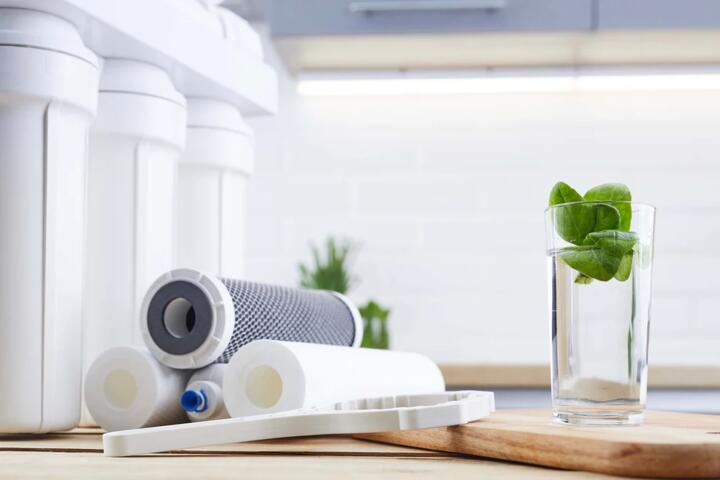
Treatment choices should match the contaminant. Disinfection systems like chlorination or UV can address bacteria, but they do not remove dissolved nitrates or many metals. Reverse osmosis can reduce many dissolved contaminants, while ion exchange can target specific ions such as hardness or some metals; each has limits and maintenance needs.
After installing treatment, collect a follow-up sample using the same lab and similar method so you can compare results. A realistic outcome target is not “perfectly zero,” but “below the relevant standard” for the parameters you tested. If results remain high, check for bypasses, exhausted media, incorrect filter sizing, or poor placement of the treatment unit.
Maintenance matters as much as equipment. Filters clog, UV lamps age, and carbon media can saturate. Keep a log of filter changes and disinfection cycles, then retest on a schedule that matches the treatment type and the lab’s guidance.
Test Frequency And Triggers
A common pattern is annual testing for bacteria and nitrates, with additional testing when triggers occur. Triggers include heavy rainfall or flooding near the well, a new septic system nearby, well repairs, changes to the well cap, or a drop in well yield that suggests altered flow paths.
Some households test more often during the first year after a new well is drilled, then settle into a routine. If you have infants, pregnant people, or immunocompromised residents, you may want tighter monitoring for parameters that affect ingestion. For example, nitrates and bacteria can be handled differently in terms of urgency, and your local health department can clarify priorities.
Keep records of every lab report, including the sampling date and the lab’s method. If you later switch labs, ask whether the method changed, since method differences can affect detection limits and how results are reported.
Case Examples From Real Homes
Flooded Well After Storm
A family in a rural area tested after a week of heavy rain. The lab report showed elevated total coliform and E. coli, while nitrates were within expected ranges. The well cap had been replaced months earlier, but the seal looked uneven after the storm, and the well pit had collected water. They used the lab’s guidance for disinfection and retested after the recommended waiting period; the follow-up sample showed bacteria levels returned to baseline.
The lesson was not that the water “looked dirty,” because it didn’t. The lesson was that bacteria can enter through pathways that only become active during specific weather conditions, which is why testing after disruptions matters.
Metals Concern With Old Plumbing
Another household tested because their water developed a metallic taste and they noticed staining around fixtures. The lab panel found elevated iron and manganese, with hardness also contributing to scale. Their plumber suggested a treatment approach, but the family first confirmed the results with a second sample collected from the kitchen drinking line. After installing an appropriate filtration and adjusting maintenance intervals, they retested and saw the dissolved metals drop below the lab’s reportable range for that method.
This scenario highlights a practical point: taste and staining can point to metals, but only lab testing can confirm which metals and whether the levels are stable or intermittent.
Testing Checklist And Table
Use this decision support to plan a test that matches your situation.
| Parameter | What It Indicates | Common Triggers | Typical Follow-Up |
|---|---|---|---|
| Total Coliform / E. coli | Microbial contamination risk | Flooding, well repairs, septic issues | Disinfection plan and repeat sample |
| Nitrates (as N) | Ingestion risk for infants | Agriculture, septic proximity | Treatment matched to nitrates; retest |
| Arsenic | Naturally occurring dissolved contaminant | Regional geology patterns | Treatment selection and confirmation testing |
| Lead / Copper | Plumbing-related exposure | Older pipes, corrosion, stagnation | Plumbing assessment and targeted sampling |
Step-by-step checklist you can follow:
- Find your local lab or extension program that offers private-well testing and read their sampling instructions.
- Collect samples from the exact drinking tap or line, using the correct container and timing for each parameter.
- Record well ID, pump type, and any recent events like repairs or storms.
- Compare results to the lab’s reference standard and note detection limits.
- If treatment is installed, retest after maintenance and after the system reaches normal operation.
- Set a calendar reminder for repeat testing based on the parameters that came back high or borderline.
Common Mistakes To Avoid
One mistake is relying on consumer test strips for decisions about health. Strips can miss low-level contamination or produce ambiguous color changes, and they often do not match the lab’s detection limits. If you use a screening kit, treat it as a prompt to order lab testing, not as a final answer.
Another mistake is testing only when symptoms appear. Symptoms can come from many causes, and bacteria exposure can be intermittent. A negative test during a calm period does not guarantee safety during a flood or after a well cap problem.
People also skip retesting after treatment. A filter can be installed and still fail if it’s undersized, bypassed, or not maintained. A UV unit can be installed and still underperform if the lamp is old or the water clarity is poor, which is why follow-up sampling matters.
Finally, households sometimes interpret “below detection limit” as “no risk.” Detection limits vary by method, and some contaminants can still be present at levels too low for the lab to quantify. Your lab report should show the detection limit, and your next step depends on whether the result is below the relevant standard.
FAQ
How Often Should I Test?
Many private-well programs recommend testing at least once per year for bacteria and nitrates, then adding tests after events like flooding, well repairs, or nearby septic or land-use changes. Your local extension office can tailor a schedule to regional risks.
What Tests Should A New Well Get?
A baseline panel usually includes total coliform and E. coli, nitrates, and common metals relevant to your area. If you have older plumbing or visible staining, ask whether lead, copper, iron, or manganese should be included.
Can Well Water Look Clean And Still Be Unsafe?
Yes. Microbes and dissolved chemicals can be present without changing appearance. Clear water can still test positive for bacteria, and colorless dissolved contaminants can still exceed health-based benchmarks.
Do I Need A Lab Or Can I Use Kits?
Lab testing is the best basis for decisions because it provides method-specific detection limits and standardized reporting. Kits can help with screening, but they often do not match lab accuracy for health-related thresholds.
What If My Results Are Borderline?
Borderline results should trigger a review of sampling conditions and a repeat test if the lab recommends it. If the parameter is near a health-based reference, ask the lab or your local health department about treatment options and retesting timing.
Author's Insight
Well water testing works because it ties your household’s exposure to measured concentrations and microbial indicators from a defined sampling method. The biggest practical variable is not the lab’s reputation alone, but whether the sample matches the lab’s instructions for container, flush time, and transport timing. I also see people treat a single result as permanent, even though groundwater conditions shift after storms, repairs, and seasonal changes. A careful record of dates, sampling points, and any treatment maintenance makes later interpretation far less confusing.
Key Takeaways
Test private well water on a schedule and after disruptions like flooding or repairs. Match the test panel to likely risks, then follow the lab’s sampling instructions to avoid misleading results. Choose treatment based on the specific contaminants found, and confirm performance with follow-up samples. Keep every lab report and sampling detail so you can interpret trends instead of guessing from appearance.