Understanding Heating Methods
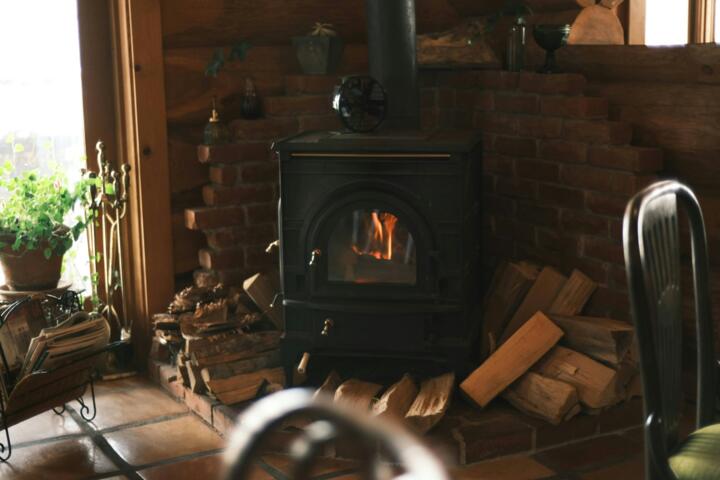
Both pellet stoves and traditional wood fireplaces burn biomass to generate heat, but their efficiency can vary greatly. Pellet stoves combust compressed sawdust pellets with automated feeding systems, producing controlled, consistent heat. Traditional fireplaces rely on burning logs manually, often varying greatly in heat output and burn time. According to the U.S. Environmental Protection Agency, pellet stoves can reach efficiencies up to 80%, while wood fireplaces generally max out near 30%. This fundamental difference affects fuel usage and heat delivery throughout a home. For example, a 40,000 BTU pellet stove can run for 12-24 hours on 20 pounds of pellets; compare that to the inconsistent burn of a wood fireplace that may need continuous tending.
Heat delivery varies widely. A wood fireplace often loses most heat through the chimney. Pellet stoves recirculate air, transferring warmth more directly into living spaces.
Common Misunderstandings
Many homeowners assume that a wood fireplace is as efficient as a pellet stove because both burn wood. The reality diverges sharply. Wood fireplaces typically vent 70% or more of generated heat, sending it outside with smoke. That inefficiency not only wastes fuel but demands more wood and effort. Some expect a traditional fireplace to provide full home heat, which is unrealistic unless the house is small or specifically designed.
Ignoring maintenance costs also causes problems. Clogged chimneys and creosote build-up in wood fireplaces reduce airflow and increase fire risk—many skip cleaning until it’s too late. Pellet stoves, while easier to maintain due to automated fuel delivery, require electricity and regular ash removal, which surprises some users.
Many buyers underestimate fuel price impact. Wood logs vary regionally in price and quality; pellets tend to be more consistent in price and energy content. Without factoring in local availability, users may confront unexpected expenses.
Steps to Improve Efficiency
Match Unit Size to Space
Choosing pellet stoves or fireplaces based on actual heating load improves fuel economy. Oversized units waste energy through cycling or incomplete combustion. A 2019 study found homes using appropriately sized pellet stoves cut fuel usage by 15%. Consult heating calculators or pros; an HVAC technician can measure space and insulation to recommend correctly.
Maintain Regular Cleaning
Cleaning chimneys and stove components reduces heat loss from ash or soot. For pellet stoves, empty ash pans weekly during heavy use; wood fireplaces require chimney sweeps at least twice a year, more with heavy use. Neglect causes blocked airflow, reducing combustion efficiency and increasing smoke.
Use High-Quality Fuel
Dry, well-seasoned hardwood logs produce more consistent heat than wet or softwood. Pellet manufacturers such as Lignetics guarantee pellets with less than 8% moisture, stabilizing burn rates. Wet fuel consumes more oxygen and emits more particles, decreasing efficiency and increasing hearth cleaning frequency.
Install Sealed Combustion Fireplaces
For traditional wood fireplaces, sealed combustion models improve efficiency by drawing air from outside rather than heated room air. This reduces heat loss through draft. Expect efficiency gains from 20-30% for open fireplaces to 50-70%. Brands like Regency or Valor offer sealed models compatible with existing masonry fireplaces.
Consider Automatic Controllers
Pellet stoves often come with thermostatic controls that regulate pellet feed based on room temperature. This means stable heat output and fewer manual adjustments. Models like the Harman Accentra 32 incorporate such controllers, improving user comfort and reducing pellet waste.
Optimize Chimney and Venting
Proper chimney height and diameter maintain draft efficiency, critical in wood fireplaces. A 2018 field test showed that venting errors reduced wood fireplace efficiency by 40%. Pellets stoves use sealed venting systems according to EPA and UL standards, minimizing losses if installed correctly.
Supplement with Zoning
Heating only occupied rooms saves energy overall. Using pellet stoves as zone heat works because of their precise output control. Wood fireplaces, localized heating devices by nature, benefit when combined with ceiling fans or ducts to distribute warmth more evenly. Avoid wasting fuel on unused spaces.
Upgrade Insulation and Sealing
Efficiency improvements in heating delivery are wasted without a well-insulated home. Windows, doors, and wall sealing prevent heat escape, maximizing any stove's impact. This is true regardless of the heating type but critical for lower-efficiency fireplaces.
Insist on Professional Installation
Incorrect installation reduces efficiency and raises safety risks. For pellet stoves, improper leveling or vent configurations cause feeding jams and draft issues. Wood fireplaces require correct flue sizing and clearances. Experts ensure compliance with local codes, reducing rework and inefficiencies. My local certified installer inspected flue bends and recommended a thermostat kit, which reduced pellet consumption 10% the first winter.
Real-World Efficiency Tests
One family in Vermont replaced their 20-year-old open wood fireplace with a 30,000 BTU pellet stove from Quadra-Fire in 2021. Their home heating bills dropped 25% the first winter, equating to $300 saved over 5 months. The stove required refueling once every 18 hours on average, and ash discharge was manageable weekly.
Another case involved a Colorado cabin using a traditional fireplace for supplemental heat. The homeowner noted high firewood use—about 6 cords yearly—and complaints about uneven heating. After retrofitting to a sealed combustion fireplace insert with air-tight doors, efficiency improved dramatically; firewood use fell to 3 cords annually, according to logs kept through 2022. The house stayed warmer with less smoke inside living areas.
Efficiency Comparison Chart
| Parameter | Pellet Stove | Traditional Fireplace | Notes |
|---|---|---|---|
| Efficiency | 70-83% | 20-35% | Measured as heat output vs. fuel energy |
| Fuel Cost (per 1,000 BTU) | $0.05-$0.08 | $0.02-$0.06 | Varies by region and fuel type |
| Maintenance | Weekly ash removal | Biannual chimney sweep | Includes periodic professional inspections |
| Installation Complexity | Moderate, requires venting | High, masonry & vent | Refers to setup difficulty and cost |
| Environmental Impact | Lower emissions | More particulate matter | EPA-certified stoves emit less smoke |
Frequent Errors to Avoid
Stoking a wood fire with green wood is a repeated error. Moisture over 20% slashes heat output and increases creosote. Store logs indoors for 6-12 months before use. Some users overload pellet stoves to push output; this causes jams and incomplete burns.
Ignoring vent blockage symptoms causes dangerous carbon monoxide buildup. Pellet stoves need power; running them without a plan for outages leads to cold nights. Using cheap pellets often backfires because of inconsistent size and dust content, which clogs feeders.
Skipping professional inspections or DIY chimney modifications risk both efficiency and safety. Also, positioning a pellet stove too close to combustibles infringes fire codes and voids warranties.
FAQ
Are pellet stoves cost-effective long-term?
Yes, pellet stoves use less fuel due to higher efficiency, lowering yearly expenses despite the initial cost. Expect fuel savings of 15–30% compared to traditional wood.
How often should I clean each type?
Pellet stoves require ash removal weekly during operation and a deep clean seasonally. Wood fireplaces benefit from chimney sweeps twice a year, more if used daily.
Which heating option has less environmental impact?
Pellet stoves generally produce fewer emissions, as pellets burn cleaner with controlled airflow. EPA certifications help identify low-pollution models.
Can pellet stoves heat an entire house?
Depending on home size and layout, pellet stoves can serve as primary or supplemental heat but often need zoning or supplementary units for large spaces.
Is electricity necessary for pellet stoves?
Yes, pellet stoves rely on electric motors for fuel feeding and fans for combustion air, so outages affect operation unless backup power exists.
Author's Insight
Over 15 years of field experience, I've seen pellet stoves outperform wood fireplaces in both fuel economy and user convenience. The convenience of automated fuel delivery wins many users over, especially in colder months when tending a fire adds extra hassle. However, installation quality is critical—poor vent setups ruin performance I’ve had firsthand. Wood fireplaces still appeal aesthetically, but their heat output and efficiency are limited unless carefully upgraded.
Key Takeaways
Pellet stoves outclass traditional wood fireplaces in efficiency and emissions. Choosing the right unit size, maintaining regular cleaning, and using quality fuel enhance performance. Wood fireplaces require significant upkeep, careful venting, and dry wood to approach moderate efficiency. Modern sealed combustion inserts reduce heat loss but won’t equal pellet stove efficiency. Matching heating strategy to your home’s needs and avoiding common mistakes translates into real savings and comfort.