Sanitation in Rural Areas
Rural sanitation often relies on on-site wastewater treatment methods due to the absence of centralized sewage systems. Septic tanks dominate here; recent US EPA data shows nearly 20% of American homes depend on septic systems. Composting toilets, though less common, offer an alternative by converting waste into usable compost without water. A farm in Vermont, for instance, installs composting toilets not only to conserve water but to reduce soil contamination.
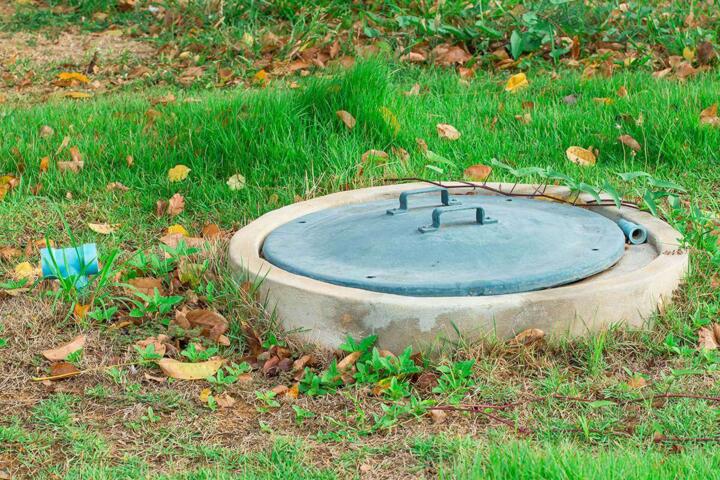
Septic tanks are underground chambers treating wastewater through sedimentation and bacterial breakdown. Composting toilets, on the other hand, manage human waste aerobically, decomposing matter with little or no water. There’s a 50-gallon difference, roughly speaking, in water demand per week when comparing a standard septic household to one with composting toilets. These numbers matter for remote or off-grid situations.
Common Challenges
Many rural users misunderstand maintenance needs, assuming septic tanks require infrequent attention; reality says otherwise. Failing to pump a septic tank every 3–5 years leads to costly backups, sometimes exceeding $5,000 in repairs. Composting toilets can create odor problems if ventilation isn’t installed correctly, which, frankly, most users overlook. Furthermore, old septic systems can leak contaminants into groundwater—a silent but grave hazard.
Cost misconceptions also cause issues. People often expect composting toilets to be cheap immediately, but electric models alone can start around $1,500, excluding setup. Real rural cases show that the wrong system choice can lead to unusable sites or expensive retrofits. I met a rancher who spent double on septic repairs after ignoring early signs of failure.
Practical Solutions
Regular Septic Tank Pumping
Pumping every 3–5 years remains standard practice. It keeps sludge layers from clogging the drain field and prevents failure. A certified service provider, like those from Roto-Rooter or a regional contractor, uses a vacuum truck. Pumping costs range from $200 to $400, widely depending on tank size (average 1,000 gallons). Scheduling maintenance avoids emergencies.
Proper Site Evaluation
Before installing either system, soil tests and site assessments determine suitability. Percolation rates and water table depth influence septic tank efficiency, especially in heavy clay soils. Composting toilets need dry, ventilated space; indoor installations require fans or passive vent stacks. Consulting local health departments or engineers minimizes error. One Wyoming property owner saved thousands by following a geotechnical survey.
Choosing the Right Composting Type
Non-electric composting toilets like Nature’s Head work well in low-use cabins, cutting costs and energy use. Electric units such as Separett models suit full-time homes but require steady power. Compost volume reduction varies: these toilets reduce waste by about 90%, minimizing handling and environmental impact. Users often add bulking agents like peat moss for better results.
Water Conservation Measures
Composting toilets excel in cutting water use since they don't flush. For septic users, reducing household water from 100 to 70 gallons daily extends drain field life. Simple fixes: low-flow fixtures, fixing leaks, and shorter showers. Intense irrigation near drain fields risks saturation and backups; awareness here is key.
Routine User Practices
Septic systems demand cautious waste disposal—avoid grease and chemicals that kill bacteria. Heavy use of garbage disposals spikes sludge accumulation. Composting toilets require emptying compost containers 3–4 times annually depending on size. Many users find scheduling this task tricky but rewarding for garden soil enhancement. A small personal idiosyncrasy: I track every emptying in a spreadsheet—it keeps me honest.
Leveraging Local Expertise
Work with local septic professionals for accurate installation and inspections. Composting toilets often come with manufacturer support; some installers specialize in certain brands like Sun-Mar or Envirolet. Joining community workshops or online forums—like those on Permies.com—improves hands-on knowledge. Community networks, surprisingly, hold great environmental know-how.
Monitoring Groundwater Quality
Checking well water near septic sites annually detects early contamination. Testing kits use measurements of nitrates, coliform bacteria, and phosphates. For composting toilets, runoff risks drop significantly, benefiting aquifers. Public rural health agencies sometimes offer testing services below $100.
Budgeting for Lifecycle Costs
Septic installation: $3,500 to $7,000; composting toilets: $1,200 to $4,000 depending on model and installation complexity. Operating costs include pumping septic and electricity or bulking materials for composting units. Plan for replacement every 20–30 years with septic and 10–15 years for composters. Skipping this harms long-term finances.
Real Projects and Results
A small B&B in rural Oregon faced repeated septic backups contaminating its well. They switched to a solar-powered composting model from Phoenix. After 12 months, their water safety improved dramatically; testing showed zero coliform traces compared to a previous 1,200 CFU/ml count. Visitor complaints about odors disappeared.
Another example: a rural community center in Idaho upgraded an aging septic system with a dual-chamber tank to handle increased usage. Regular pumping and a 10-year maintenance plan yielded a drop in repair calls from 6 per year to just 1, saving around $2,000 annually. Local authorities praised their efforts publicly.
Comparison Summary
| Aspect | Septic Tank | Composting Toilet | Notes |
|---|---|---|---|
| Installation Cost | $3,500–7,000 | $1,200–4,000 | Varies by site & size |
| Maintenance | Pump every 3–5 years | Empty 3–4 times/year | User effort differs |
| Water Use | ~70–100 gal/day | Near zero | Composting conserves |
| Environmental Risk | Groundwater pollution | Minimal if managed well | Depends on upkeep |
| Suitable Soil | Permeable, well-drained | Any, indoor/outdoor | Site-dependent |
Errors to Dodge
Ignoring soil tests for septic placement leads to system failure. Installing a septic tank without adequate venting or surface drainage causes backups and structural damage. Composting toilets without regular turning or airflow invite odors and incomplete composting. Selecting a model too large wastes money; too small requires extra maintenance. Users neglecting manufacturer's cleaning guidelines often void warranties.
Skipping periodic inspection creates silent leaks that contaminate wells. DIY installations, frankly, often miss critical steps. Using harsh chemicals in septic tanks destroys bacterial action. Compost leftover is sometimes dumped improperly, defeating environmental benefits. Label all waste and compost handling zones clearly for safety.
FAQ
How long does a septic tank last?
Typically 20 to 30 years, with proper maintenance like regular pumping and avoiding heavy chemical use.
Do composting toilets need electricity?
Not always. Some models use no power, but electric versions improve airflow and speed composting.
Can I install a composting toilet in freezing climates?
Yes, but they require insulated or heated enclosures to prevent freezing of components and maintain microbial activity.
How often must I pump my septic tank?
Every 3 to 5 years on average, but frequency depends on tank size and household water use.
Is compost from composting toilets safe for gardens?
Only if fully composted and aged; avoid using it on edible plants without additional processing.
Author's Insight
I have installed both septic and composting systems in various rural settings. Septic tanks reliably handle large volumes but demand rigorous upkeep—often underestimated by users. Composting toilets require discipline but reward with water savings and reduced soil pollution. My advice: consider your lifestyle, budget, and soil thoroughly before deciding. A local expert's input prevents costly errors.
What to Remember
Septic tanks and composting toilets each serve rural sanitation needs with distinct strengths and challenges. Planning based on accurate site data, budget, and maintenance capacity leads to successful outcomes. Regular service and water-use awareness stretch system lifespan. Composting toilets provide water-saving benefits but need user engagement. Taking practical steps today avoids expensive repairs later.