Heat Pumps In Rural Homes
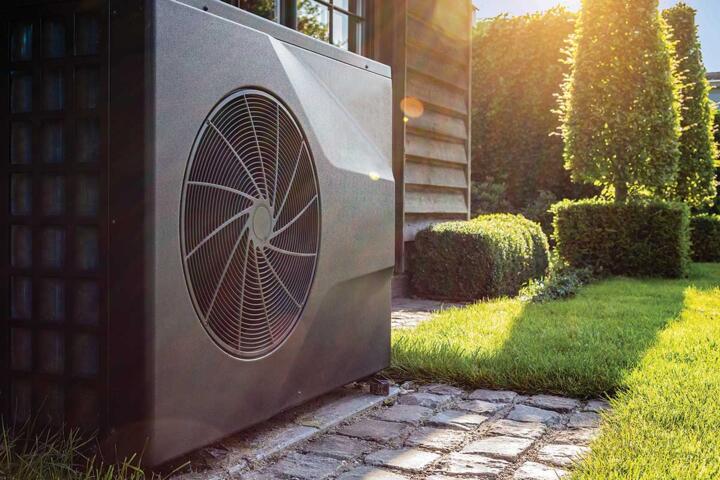
A heat pump is a heating and cooling system that transfers heat using electricity. In winter, it extracts heat from outdoor air (or ground, in some designs) and delivers it indoors; in summer, it reverses direction. Rural homes often face long distances to service technicians, higher heating costs, and variable electricity reliability, so the “what it offers” question becomes practical: comfort, fuel switching, and predictable operation when the system is sized and installed correctly.
Many rural households also rely on propane, heating oil, or wood. A heat pump can reduce dependence on those fuels by using electricity for most heating hours, while still using a backup heat source during the coldest periods. Hot-water heat pumps and heat-pump water heaters add another layer of flexibility, since domestic hot water demand can be met with less fuel burn than a standalone boiler or tank heater.
Performance depends on the heat source (air vs. ground), the distribution system (radiant floors, ductwork, or baseboard), and the indoor temperature targets. If your home has older, leaky ductwork, the system may run longer than expected, and you may feel “warm but not comfortable,” which is a different problem than a broken unit. I’ve seen homeowners blame the heat pump for drafts that were actually from attic bypasses and poorly sealed returns—on a home inspection checklist dated 2024-11, those issues showed up repeatedly.
Common Pain Points And Misreads
People often assume a heat pump is a direct replacement for a furnace or boiler with no tradeoffs. That assumption breaks down when the home needs high heat output at low outdoor temperatures, or when the indoor emitters require higher water temperatures than the heat pump can deliver efficiently. Air-source units can still heat in cold weather, but the system may switch to auxiliary heat or run at higher power draw as outdoor temperatures drop.
Another misread is treating “SEER” or “EER” ratings as a winter heating promise. Those ratings focus on cooling performance and specific test conditions, while winter heating performance is better represented by metrics like HSPF (for older U.S. labeling) or the newer HSPF2/seasonal heating efficiency measures used in ENERGY STAR contexts. Even then, real-world results depend on defrost cycles, indoor setpoints, and how well the home envelope holds heat.
Rural dependencies also matter. If the nearest installer is 90 miles away, you want a plan for maintenance and warranty service before the first cold snap. If the grid is unreliable, you need to understand what parts of the system require power: the compressor, indoor air handler, controls, and any backup heat. A heat pump that shuts down during an outage may leave you with cold rooms until power returns, unless you have a generator strategy.
Supporting technologies often decide whether the system feels “right.” These include thermostat controls (including setback schedules), duct sealing and insulation, correct refrigerant charge, and proper sizing of the outdoor unit and indoor coil. Many complaints trace back to installation details—refrigerant line routing, condensate drainage, and airflow balance—rather than the heat pump concept itself, which is where frustration tends to land.
Solutions And Practical Advice
Size For Heat Loss First
Start with a heat-loss calculation for the specific house, not a rule-of-thumb based on square footage. A Manual J-style approach (or an equivalent local method) estimates the heating load at design outdoor temperatures and identifies whether the system needs high output at the coldest hours. In rural areas, design temperatures can be far below the assumptions used in marketing materials, and that affects whether auxiliary heat will run often.
Ask the installer to show the target heating load and the proposed equipment capacity at relevant outdoor temperatures. If the plan relies on frequent auxiliary heat, request a clear operating strategy: when it turns on, how it’s controlled, and what fuel source it uses. A mild aside from the field: some contractors quote “comfort” without discussing auxiliary heat staging, and that omission tends to show up later in utility bills.
Match Emitters And Setpoints
Heat pumps work best when the indoor temperature distribution is compatible with lower-temperature heating. Ducted forced-air systems can work well if airflow is balanced and ducts are insulated; hydronic radiant floors often pair well because they can use lower water temperatures. Baseboard radiators can work, but many older hydronic systems were designed for higher temperatures, so you may need emitter upgrades or a different control strategy.
Setpoints matter more than people expect. Running at a constant moderate temperature usually reduces cycling and keeps the system in a stable operating range. Aggressive setbacks can cause the heat pump to “catch up” with auxiliary heat, which changes the economics and can feel like the system is underpowered. If your thermostat supports schedules, test a conservative schedule first, then adjust after you see how long the system runs per day.
Plan For Cold Weather Defrost
Air-source heat pumps periodically defrost the outdoor coil when frost forms. Defrost uses energy and temporarily changes indoor output, so comfort can dip briefly if the system is controlled poorly or if the air handler airflow is mismatched. Ask how the unit handles defrost and whether it has a low-ambient heating mode rated for your climate zone.
Look for documentation that lists performance at low outdoor temperatures, not only at mild conditions. If the outdoor unit is installed in a location with poor airflow or heavy snow accumulation, defrost behavior can worsen. A practical step: plan for snow management around the outdoor unit and keep the intake and discharge clear, since blocked airflow can lead to more frequent defrost cycles.
Choose Backup And Power Strategy
Backup heat can be electric resistance, a propane/wood boiler integration, or another heat source. The key is staging: backup should activate only when needed, and the controls should prevent rapid switching that wastes energy. If you rely on propane or oil, confirm how the system transitions between heat pump and backup and whether it can be configured to minimize fuel use.
For outages, decide whether you want full-home backup or partial backup. Heat pumps typically require electricity for the compressor and controls, so a small generator may run the system only if sized correctly and if you limit loads. Some systems can be configured for “survival mode” with reduced setpoints, but the exact behavior depends on the control board and thermostat model—check the manual and ask the installer to describe the outage response.
Educational Case Examples
Air-Source With Leaky Ducts
A couple in a rural 1970s home installed an air-source heat pump sized by square footage rather than a heat-loss calculation. The house felt warm near the vents but cold in bedrooms, and the system ran for long periods. After a duct inspection, they found unsealed joints in the attic and undersized return airflow. Sealing and adding insulation to the duct runs reduced runtime, and the comfort improved without changing the heat pump hardware.
The lesson: a heat pump can deliver the right temperature at the air handler and still fail to deliver comfort if the distribution system leaks heat. The couple also adjusted thermostat schedules to avoid large setbacks, which reduced auxiliary heat calls during morning recovery.
Cold-Climate Staging And Bills
A household with propane heat replaced a boiler with a heat pump and kept the propane boiler as backup. The first winter brought higher-than-expected propane use because the backup stage threshold was set too high during installer commissioning. After reviewing the control settings and reviewing utility data, the homeowner lowered the auxiliary activation temperature and adjusted the heating curve for their hydronic emitters.
By the second month, propane consumption dropped and indoor temperatures stayed steadier. The key detail was not “better equipment,” but correct staging and controls that matched the home’s actual heat loss and emitter response.
Comparison Checklist For Rural Homes
| Decision Point | Air-Source Heat Pump | Ground-Source Heat Pump | Hybrid With Backup |
|---|---|---|---|
| Cold-weather comfort | Depends on low-ambient rating and defrost behavior | More stable temperatures, but higher upfront work | Backup covers the coldest hours when needed |
| Upfront complexity | Outdoor unit placement and airflow planning | Ground loop drilling or trenching | Integration with existing boiler or fuel system |
| Electric demand | Compressor load varies with outdoor temperature | Often steadier compressor load | Backup reduces electric draw during extreme cold |
| Service access | Technicians must handle refrigerant and airflow checks | Loop issues are less common but harder to diagnose | Two systems require coordinated maintenance |
Step-by-step checklist for a rural purchase decision:
- Collect last winter’s heating fuel bills and outdoor temperature logs if you have them.
- Request a heat-loss calculation and confirm the design outdoor temperature used.
- Ask for low-ambient heating performance data at temperatures near your coldest typical days.
- Inspect the distribution system: duct leakage, insulation, emitter sizing, and return airflow.
- Clarify auxiliary heat staging thresholds and the backup fuel type.
- Plan for outages: generator size, transfer switch, and which loads you can run.
- Confirm commissioning steps: airflow measurements, refrigerant charge verification, and thermostat setup.
Common Mistakes To Avoid
One frequent mistake is choosing equipment size based on past fuel usage without checking heat-loss. Fuel bills reflect many factors, including thermostat setpoints and insulation changes, so they can mislead sizing. Another mistake is skipping duct sealing and insulation because the heat pump purchase feels like the main event. If the home loses heat through ducts or attic leakage, the heat pump runs longer and auxiliary heat triggers more often.
People also misread warranty coverage and service terms. A warranty may cover parts but not labor, and rural service calls can be costly. Ask what the warranty covers for the compressor and controls, what labor is included, and how service scheduling works when the technician is far away.
Commissioning gaps cause many “it doesn’t work like the brochure” stories. If airflow is too low, the indoor coil can freeze or the system can short-cycle. If the thermostat is configured with aggressive setbacks, the system may chase temperature and burn auxiliary heat. A mild frustration point: some installers leave default settings that match a generic home profile, and those defaults rarely match a specific rural house.
Finally, avoid assuming that “quiet” equals “efficient.” A heat pump can run quietly at low output while still delivering insufficient heat if the system is under-sized or the emitters are mismatched. Comfort complaints should be paired with runtime and temperature data, not just sound level.
FAQ
Do Heat Pumps Work In Cold
Air-source heat pumps can heat in cold climates when the unit is rated for low outdoor temperatures and the system is sized for the home’s heat loss. Defrost cycles and auxiliary heat staging affect comfort and operating cost during the coldest periods.
How Much Electricity Do They Use
Electric use varies with outdoor temperature, indoor setpoints, insulation, and how often auxiliary heat runs. The most reliable way to estimate is to compare your heat-loss needs to the unit’s rated seasonal heating performance and then confirm with utility data after installation.
Will A Heat Pump Replace My Boiler
Many rural homes use a hybrid setup where the heat pump handles most heating and the boiler provides backup during extreme cold. The right approach depends on emitter compatibility, fuel costs, and how the controls stage backup.
What Happens During Power Outages
Most heat pumps stop when power is lost because the compressor and controls require electricity. If you want heat during outages, plan a generator or battery strategy and confirm which components the system can run safely.
How Do I Verify Performance
Track indoor temperatures, heat pump runtime, and auxiliary heat calls during a heating season. Comparing monthly utility bills before and after installation helps, but comfort data and runtime logs usually explain the “why” behind the numbers.
Author's Insight
Heat pumps offer rural homes a practical way to shift from fuel-based heating to electricity-driven heat transfer, but the comfort outcome depends on heat-loss sizing, emitter compatibility, and control staging. Air-source systems face defrost and low-ambient limits, so performance claims should be checked against low-temperature ratings and your home’s distribution losses. For many households, the biggest gains come from pairing the heat pump with air-sealing, insulation, and commissioning rather than from the equipment alone.
When evaluating options, treat auxiliary heat and outage behavior as part of the system design, not as afterthoughts. A careful installer will discuss how the thermostat and backup staging work together, and they will document commissioning steps like airflow balance and refrigerant charge verification.
Key Takeaways
- Heat pumps move heat using electricity; cold-weather comfort depends on sizing, defrost behavior, and distribution losses.
- Winter efficiency ratings and auxiliary heat staging matter more than cooling-only metrics.
- Rural planning should include service access, warranty labor terms, and an outage strategy.
- Most “bad experiences” trace to installation details and control settings, so ask for commissioning documentation.