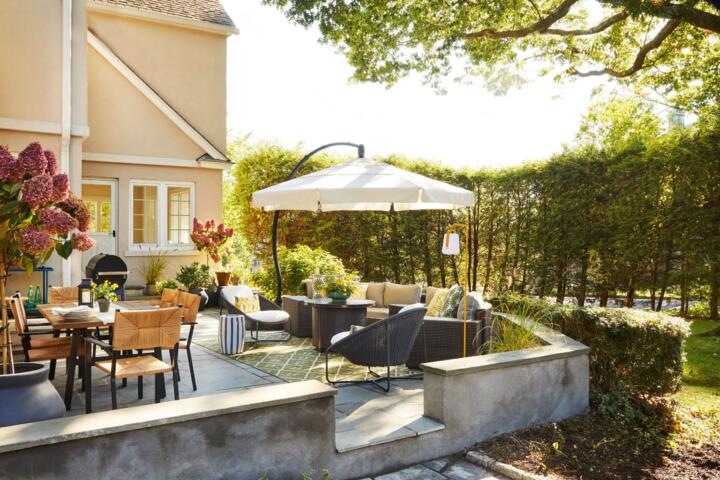
Strategic Landscaping
Outdoor improvements are often the first thing a professional appraiser notices, yet many owners treat them as an afterthought. According to the National Association of Realtors (NAR), a well-executed landscape renovation can yield a return on investment (ROI) of up to 100%. This isn't just about planting flowers; it involves "hardscaping" and structural integrity.
In my experience consulting on property flips in high-demand markets like Austin and Denver, I’ve seen properties with professional xeriscaping or modern deck installations sell for 10-15% above the neighborhood average. For instance, replacing a patchy lawn with drought-resistant native plants and a stone pathway can save a homeowner $500 annually in water bills while instantly boosting the "perceived value" for buyers looking for low-maintenance lifestyles.
Outdoor Project Pitfalls
The biggest mistake homeowners make is "over-improving" for their specific neighborhood. Installing a $70,000 infinity pool in a middle-income suburb where no one else has a pool will rarely see a full return. Often, the maintenance costs and insurance premiums associated with complex water features actually deter a segment of buyers.
Another critical error is neglecting the "bones" of the property. Homeowners often spend thousands on trendy outdoor kitchens while the retaining walls are crumbling or the drainage is poor. These invisible issues will surface during a home inspection, leading to aggressive price negotiations or canceled contracts. Ignoring local climate demands—such as using softwoods in high-humidity areas—leads to rapid rot and wasted capital.
High-Yield Solutions
The Modern Composite Deck Evolution
Wood decks are classic, but composite materials like Trex or TimberTech are dominating the resale market. While the initial cost is 20-30% higher than pressure-treated lumber, the lack of maintenance (no sanding or staining) is a massive selling point. Data suggests a composite deck addition recoups approximately 65-70% of its cost at resale.
Outdoor Kitchens with Purpose
Avoid the "portable grill" look. A built-in station with a stone veneer, stainless steel appliances from brands like Wolf or Blaze, and a granite countertop creates a literal second living room. Focus on the "Golden Triangle" layout (grill, sink, fridge) to ensure functionality. Real-world appraisals often value these "outdoor rooms" at 50% of the cost of indoor square footage.
Hardscaping and Natural Stone Paths
Replace cracked concrete with pavers from Belgard or natural flagstone. Structured walkways guide the eye and create a sense of order. Using permeable pavers is a specific "pro tip"—they prevent runoff and are often incentivized by municipal green-building credits, adding a layer of "sustainability" value to the listing.
Automated Low-Voltage Lighting
Security and aesthetics meet here. High-end systems like FX Luminaire or Lutron Caséta allow for smartphone-controlled "scenes." Highlighting architectural peaks and mature trees with LED uplighting adds significant "evening appeal." Surveys show that 80% of homebuyers rate outdoor lighting as a "vital" or "highly desirable" feature.
Privacy via Living Walls
Instead of a standard 6-foot cedar fence, use strategic greenery. Planting a row of 10-foot Arborvitae or installing a horizontal slat fence with integrated planters provides modern privacy. This is particularly effective in urban settings where neighbors are close. It creates an emotional "sanctuary" feel that drives up bidding wars.
Energy-Efficient Window Replacement
While technically part of the shell, windows are an outdoor visual. Upgrading to Andersen or Pella black-frame windows changes the entire facade. Beyond aesthetics, the energy savings are a tangible figure you can put in a sales brochure. Expect a recovery of 70% or more on this project.
Property Case Studies
Case Study 1: The Suburban Refresh
A client in suburban Atlanta spent $22,000 on a front-yard overhaul: removing overgrown shrubs, installing a stone walkway, adding professional lighting, and repainting the front door. The home was appraised at $310,000 before work and sold for $355,000 just three weeks after completion. Net ROI: 104% (after costs).
Case Study 2: The Deck Expansion
In Seattle, a homeowner replaced a rotting 10x10 wood porch with a 20x15 Azek composite deck including a built-in fire pit. Total cost: $35,000. The property attracted four competing offers, selling for $50,000 over the asking price specifically citing the "outdoor entertainment space" as the deciding factor.
ROI Metrics Comparison
| Project Type | Avg. Cost (USD) | Estimated ROI | Main Selling Point |
|---|---|---|---|
| Basic Landscaping | $5,000 - $8,000 | 100% + | First Impressions |
| Composite Deck Addition | $20,000 - $35,000 | 65% - 75% | Low Maintenance |
| Outdoor Kitchen | $15,000 - $50,000 | 55% - 60% | Lifestyle Upgrade |
| Stone Veneer Accents | $10,000 - $12,000 | 90% - 95% | Premium Appearance |
| Smart Irrigation | $2,000 - $4,000 | 80% | Utility Savings |
Common Mistakes to Avoid
Never prioritize aesthetics over drainage. I have seen $40,000 patios ruined in two seasons because the contractor didn't account for the slope of the yard, leading to "pooling" and foundation damage. Always hire contractors who offer a 5-year workmanship warranty and check their Better Business Bureau (BBB) rating.
Avoid "over-personalization." A custom-built skateboard ramp or a permanent outdoor pizza oven in the shape of a mascot might be great for you, but it's a "narrow appeal" item. Stick to neutral, high-quality finishes that allow a buyer to project their own life onto the space. Cheap materials like plastic lawn edging or "big box store" solar lights often look worse than no improvement at all within six months.
FAQ
Does a pool always add value to a home?
Not always. In warm climates like Florida or Arizona, it is a standard expectation. In northern climates, it can be a liability due to the high cost of heating and closing. Generally, a pool adds about 7% to the home value, which rarely covers the total installation cost.
What is the most cost-effective outdoor project?
Fresh mulch, edge trimming, and a power-washed driveway. For under $1,000, these "sweat equity" tasks can fundamentally change the perceived maintenance level of the home, which builds buyer trust instantly.
Is composite decking really better than wood?
For resale, yes. Modern buyers are "time-poor." They do not want to spend their weekends staining a deck. The 25-year warranty of brands like Fiberon is a powerful closing tool in a real estate transaction.
How much should I spend on landscaping?
A standard rule of thumb is to spend 10% of your home's total value on landscaping. If your home is worth $500,000, a $50,000 investment in "soft" and "hard" scaping is professionally justifiable and likely to be recouped.
Do fire pits increase home value?
Yes, specifically built-in gas fire pits. They create an "anchor point" for the backyard. According to Remodeling Magazine, outdoor fire features are among the top three most requested backyard DIY/Professional upgrades.
Author’s Insight
I’ve walked through thousands of properties, and the "gut feeling" a buyer gets when they pull into the driveway is almost impossible to override later. My top advice is to treat your backyard as an extension of your interior floor plan. Use the same color palette for your outdoor cushions as your living room rugs to create "flow." If you are on a budget, focus 100% on the front entry; a high-quality door and a clean walkway are the highest-leverage moves you can make.
Summary
Increasing your home's value through outdoor projects requires a balance of aesthetic appeal and functional durability. Focus on high-recovery items like composite decking, professional lighting, and smart landscaping. By avoiding overly personal projects and prioritizing structural health, you ensure that every dollar spent translates into equity. Start with a clear plan, use premium materials, and always keep the future buyer's convenience in mind.