The Path to Autonomy
Living a self-sufficient life on a budget isn't about deprivation; it’s about the strategic allocation of resources. It moves away from the consumerist "buy your way to green" mentality. Instead of a $50,000 solar array, it starts with energy efficiency. Instead of a brand-new tractor, it focuses on soil health through composting and manual tools like the Broadfork.
In practice, this looks like choosing a 2-acre plot with "fixer-upper" soil for $40,000 rather than a pristine 10-acre parcel for $250,000. It’s about the Return on Effort (ROE). For example, a single $5 packet of heirloom seeds can yield 50 lbs of tomatoes, which would cost roughly $150 at a grocery store. According to recent data from the National Gardening Association, the average food garden provides a $600 return on investment annually.
Common Financial Pitfalls
Most aspiring homesteaders fail because they suffer from "Shiny Tool Syndrome." They buy heavy machinery, expensive livestock breeds, and high-tech greenhouses before understanding their land's microclimate. This leads to massive overhead that the land cannot support, resulting in burnout within three years.
Another error is ignoring the "hidden costs" of rural living, such as well maintenance or specialized property taxes. When you over-capitalize at the start, you lose the flexibility to adapt. For instance, spending $10,000 on a generic fencing system only to realize it doesn't stop local predators is a common, costly mistake that drains emergency funds.
Strategic Budgeting
Mastering Vertical Integration
Vertical integration on a homestead means controlling every stage of a product. Instead of buying expensive organic fertilizer, use Red Wiggler worms for vermicomposting. A setup costing under $50 can produce "black gold" fertilizer that retails for $30 per bag. This reduces input costs to near zero while increasing crop yields by up to 20%.
The Used Market Mastery
Expert homesteaders rarely buy new. Utilize platforms like Facebook Marketplace, Craigslist, and AuctionZip. Buying a 1980s John Deere or Kubota tractor for $5,000—and learning to maintain it via YouTube tutorials—saves $20,000 compared to a new model with electronic components that are impossible to repair at home.
Building Scrappy Infrastructure
Infrastructure is the biggest budget killer. Use the "Pallet Method" for compost bins, wood sheds, and small animal shelters. Heat-treated (HT) pallets are free at local hardware stores and can save you thousands in lumber costs. For water, implement IBC Totes (often found for $100 used) for rainwater harvesting rather than installing complex irrigation systems immediately.
Livestock as Workers
Don't view animals only as food. Use "Chicken Tractors"—mobile coops—to let poultry till and fertilize your garden beds for free. This eliminates the need for a gas-powered tiller (saving $400) and commercial nitrogen fertilizer. A flock of 10 hens can produce 2,000+ eggs a year, covering their own feed costs if supplemented with kitchen scraps.
Energy Efficiency First
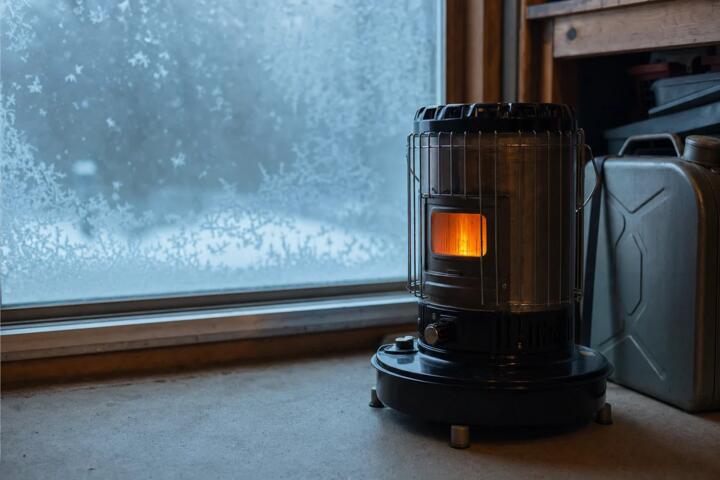
Before buying solar panels, invest in a Rocket Mass Heater or a high-efficiency wood stove like those from Blaze King. Reducing your heating bill by 70% through sustainable wood harvesting is far more "frugal" than trying to power electric heaters with a massive battery bank. Thermal mass is the cheapest battery you will ever own.
Transformation Cases
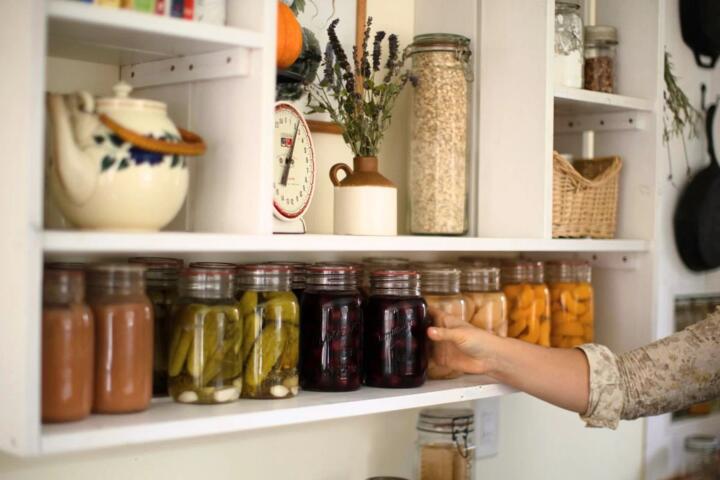
The Miller Family (Suburban Case): Starting on just 0.25 acres in Oregon, the Millers invested $1,200 in raised beds and a basic canning setup. By utilizing Ball jars and a Presto pressure canner, they preserved 400 lbs of food in their first year. Result: They reduced their monthly grocery bill from $800 to $350, saving $5,400 annually, which funded their move to a larger property.
High-Desert Off-Grid: A couple in Arizona used Earthbag (Superadobe) construction to build a 600 sq. ft. cabin. By using local soil and recycled barbed wire, their structural costs stayed under $8,000. They utilized a DIY solar kit from Renogy for $2,500. Result: They live with zero utility bills and a total housing investment lower than a typical car loan.
Cost Comparison Table
| Project Category | Traditional Cost (New) | Frugal Cost (DIY/Used) | Estimated Savings |
|---|---|---|---|
| Garden Infrastructure | $2,500 (Raised Beds/Soil) | $300 (Hugelculture/Compost) | $2,200 |
| Water Storage | $3,000 (Professional Tank) | $400 (Used IBC Totes) | $2,600 |
| Chicken Coop | $1,200 (Pre-built) | $150 (Scrap lumber/Pallets) | $1,050 |
| Food Preservation | $3,000 (Freeze Dryer) | $200 (Dehydrator/Canner) | $2,800 |
| Fencing (1 Acre) | $5,000 (Contractor) | $1,200 (DIY Electric/T-posts) | $3,800 |
Avoiding Costly Blunders
One major mistake is "over-stocking" livestock before the pasture is ready. This forces you to buy 100% of your hay, which is a financial black hole. Always start with 50% of the animals you think you can handle. Also, avoid buying "specialty" seeds every year; learn Seed Saving techniques for crops like beans, tomatoes, and peppers to ensure a perpetual, free supply.
Another error is failing to invest in high-quality hand tools. A $10 shovel from a big-box store will break in one season. Spend $60 on a forged Spear & Jackson or Ames tool. It will last 20 years. The most frugal choice is the one you only have to buy once. This applies to everything from cast iron pans to wool clothing.
FAQ
Is it possible to start with no money?
Yes, through "land sharing" or working on existing farms via WWOOF. You can also start "micro-homesteading" in an apartment using window boxes and fermented foods like Kombucha or Sauerkraut to build skills without land ownership.
Which livestock is most cost-effective?
Chickens and rabbits are the winners. They have low entry costs, reproduce quickly, and can be housed in small, DIY structures. Rabbits, specifically, produce high-nitrogen manure that can go directly onto garden beds without composting.
How much land do I actually need?
For a frugal start, 1 to 2 acres is plenty. Most families cannot fully manage more than 1 acre of intensive food production manually. Larger acreage often requires expensive machinery, which defeats the frugal objective.
What are the best tools for a budget?
A high-quality canning kit, a broadfork for no-till gardening, a sharp axe for firewood, and a basic solar dehydrator. These items provide the highest utility-to-cost ratio for food security.
Can I homestead while working a 9-5?
Absolutely. Frugal homesteading is about systems. Automating your watering with a $20 Orbit hose timer and using deep-mulch gardening (the Back to Eden method) reduces daily labor to under 30 minutes.
Author’s Insight
In my decade of transitioning to a more self-reliant life, I found that my biggest "wins" didn't come from buying gadgets, but from learning to repair what I already had. I once spent $400 on a repairman for a well pump, only to realize later it was a $5 capacitor I could have swapped myself. My advice: invest in a comprehensive "How-To" library (physical books!) and a basic set of mechanics' tools before you buy a single goat. Mastery of your environment is the ultimate currency of the homestead.
Summary
Building your dream life on a budget requires a shift from consumer to producer. By prioritizing used equipment, DIY infrastructure, and biological solutions over chemical ones, you can bypass the high costs typically associated with rural living. Focus on one system at a time—start with a garden, move to poultry, then tackle water—and build your skills alongside your assets. The most sustainable homestead is the one that is paid for in full.