Learning Raised Bed Basics
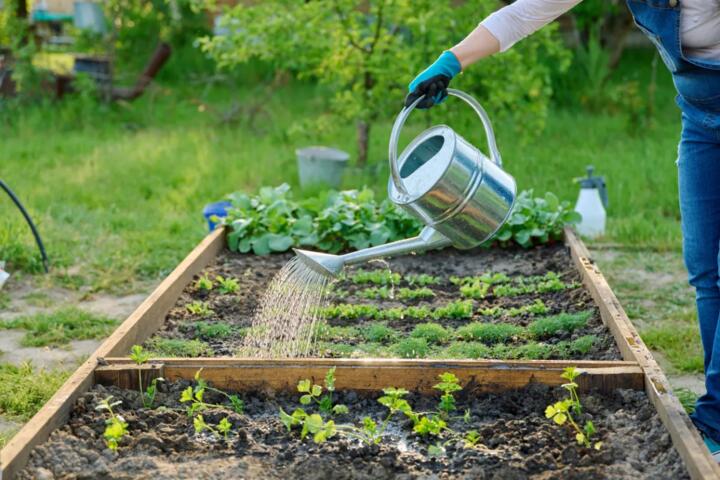
Raised beds elevate your soil, improving drainage, warming the root zone, and reducing compaction. Builders often choose dimensions around 4 feet wide and 12 inches deep, making it easier to reach plants without stepping on beds. Famous horticulturist Mel Bartholomew inspired many gardeners with his Square Foot Garden concept using raised beds under 6 inches deep for dense planting.
Soil volume matters: a 4x8-foot bed holds roughly 11 cubic feet of soil, enough for many vegetables. Material choices affect longevity and soil quality; wood interacts differently with soil than galvanized steel or recycled plastic. Over 60% of garden failures trace back to poor soil or structure decisions, according to a 2018 survey by the National Gardening Association.
Most raised beds use wood or composite lumber, but alternatives like stone, brick, or corrugated metal exist too. Quality soil blends usually combine organic matter with well-draining amendments. Master gardeners often blend in compost, peat, and vermiculite or perlite for aeration. Soil pH and nutrient balance shift quickly in smaller beds, so soil recipe precision shapes success.
Common Raised Bed Challenges
People often overlook wood treatment impacts. Untreated cedar lasts around 10 years but cypress or redwood may extend 15 years, while pine lasts 3 to 5 years and can leach resins. Some avoid pressure-treated lumber fearing chemical leaching; however, modern treatments use safer formulations, like ACQ, limiting adverse soil effects.
Incorrect soil mixes lead to compaction or poor fertility. Pure topsoil retains too much water, fostering root rot. Too much sand drains too fast, causing drought stress. Using heavy clay soils often makes shallow raised beds waterlogged.
Over time, organic matter breaks down, and soil settles, reducing bed depth. Many gardeners forget to amend soil annually, starving plants of nutrients. Weeds can invade beds faster if material barriers or proper edging aren’t installed. Beds placed directly on grass may suffer from pests like mole crickets or burrowing animals.
Materials and Soil: What Works
Wood Choices for Durability
Cedar ranks best for garden longevity without treatment. Its natural oils repel rot and insects. Redwood works too, but often costs 25-35% more. Untreated pine is cheapest but decays quickly, ending up a waste within several seasons in wet climates like the Pacific Northwest.
Pressure-treated wood last longer and costs about 30% less than cedar here in 2024. New ACQ-treated boards pass the US EPA risk assessment for vegetable gardens. Still, seal cut ends to slow chemical seepage and prevent soil contamination.
Composite Lumber and Alternatives
Composite lumber blends wood fibers with recycled plastic, resisting rot and insects. Expect 20+ years service life and minimal maintenance. They’re heavier and cost roughly $25-30 per 8-foot board but no staining needed. Some brands, like Trex and Fiberon, rank high for durability but may trap heat in summer.
Metal beds, especially galvanized steel, last decades and offer modern aesthetics with strong edges. However, they can overheat soil quickly—shade or mulch helps here.
Basic Soil Mix Elements
Raised bed soil must balance moisture retention with drainage and fertility. A popular mix is 40% compost, 40% peat moss (or coconut coir as a sustainable substitute), and 20% vermiculite or perlite. Vermiculite holds moisture; perlite improves aeration. This blend feeds crops well for one season before needing amendments.
For heavy feeders like tomatoes, loosen soil further by mixing in aged manure or worm castings for nitrogen. Avoid fresh manure; it burns roots.
Filling Large Beds Economically
Large beds require many cubic feet of soil. Buying soil blends premixed costs about $40 per cubic yard. Many gardeners mix their own using bulk materials: screened topsoil, compost from municipal sites, and sand from landscape supply yards.
Mix batches thoroughly using a heavy-duty auger attachment on an electric drill for speed and uniformity. I did this in 2021—saved hours and achieved a consistent blend.
Soil Testing and Amendments
Testing pH and nutrient levels every two years reveals deficiencies. Raised beds tend to acidify over time with pine-based mulch or peat soils, dropping pH below 6.0. Adding lime raises pH. Use 5 pounds per 100 sq. ft. if testing shows pH below 5.5.
Brands like Scotts and Espoma offer garden-specific lime and organic fertilizer blends compatible with raised beds. Applying granular fertilizer every 6-8 weeks sustains productivity.
Drainage and Bed Depth
Deliberately design beds 12 to 18 inches deep for most vegetables. Shallow beds limit root space; carrots and beets need even deeper soil.
Add a 2-inch layer of gravel or course sand bottom if drainage is poor. Avoid compacted subsoil beneath beds; loosen subgrade with a garden fork before filling.
Edge Protection and Pest Barriers
Line bed interiors with heavy-duty weed barrier fabric to stop weed invasion, plus exclude burrowing critters. Hardware cloth (¼"" mesh) under beds blocks rodents. Attach it firmly to base. Some use copper mesh to repel slugs.
Water Retention Aids
Adding water crystals or hydrogels can cut irrigation frequency by 30%. These absorb water and release it as soil dries. They’re often overlooked but handy in dry summers. Brand BioCote proved effective in tests on raised beds in 2023.
Practical Raised Bed Examples
Urban Grow Farms, a New York operation started in 2019, faced rapid soil degradation in raised beds made from untreated pine. They switched to ACQ-treated cedar and adopted a guaranteed organic soil mix: 45% compost, 35% coir, 20% perlite. Their yield increased 18% within one growing season, and water holding improved noticeably.
Meanwhile, a backyard gardener in Portland built raised beds with composite boards and filled them with local garden center premixed soil. Despite a small initial investment, the soil compacted after two years. Adding coarse sand and compost annually restored aeration, rebounding plant health within one season.
Material and Soil Checklist
| Material | Longevity | Cost per Board | Soil Mix Component |
|---|---|---|---|
| Cedar | 10–15 years | $18–22 | Compost, coir, perlite |
| Pressure-treated | 15+ years | $14–18 | Compost, vermiculite, amendments |
| Composite | 20+ years | $25–30 | Compost blends + sand |
| Steel | 30+ years | $35–45 | Light compost, mulch |
Typical Errors to Skip
Building beds with untreated pine and expecting years of use risks disappointment. Rot starts under damp conditions in 3 years or less. Avoid this by choosing naturally rot-resistant lumber or modern treatment.
Using only topsoil as a raised bed mix causes problems quickly. Too dense, it slows roots or holds excess water. Blending with organic matter plus light materials fixes this consistently.
Ignoring soil depth wastes effort too. Many garden centers sell only 6-inch soil bags; this is inadequate for most crops and leads to stunted roots.
Forgetting to retest soil or refresh amendments dooms productivity. Annual top dressing of compost or slow-release fertilizer fuels plants constantly.
FAQ
What wood lasts longest in raised beds?
Cedar and redwood are natural rot-resistant woods lasting 10-15 years. Pressure-treated lumber with newer treatments also lasts long without harmful effects when sealed correctly.
Can I use regular garden soil in raised beds?
Garden soil often compacts too much for raised beds. Mix it with compost and aeration materials like perlite or coarse sand before filling beds.
How deep should a raised bed be?
Most vegetable raised beds should be between 12 and 18 inches deep to allow healthy root growth and proper drainage.
Is composite lumber safe for food crops?
Composite lumber contains wood fibers and plastics generally safe for raised beds, but watch for overheating as it retains heat more than wood or metal.
How often should soil be amended?
Adding compost or fertilizer yearly maintains nutrient balance. Testing soil every two years guides precise amendment needs.
Author's Insight
In my 15 years working with raised beds, I've learned material choice matters more than aesthetics. Cedar and ACQ-treated lumber balance cost and durability well. Soil mix precision saves endless frustration. The 2020 batch of my soil blend included 50% compost and 30% coir; it improved yields on cucumbers noticeably. I recommend regular soil testing — results often surprise gardeners.
Key Takeaways
Raised bed gardening demands conscious choices: wood types resist decay differently, and soil mixes shape plant health more than any one factor. Using cedar or treated lumber lengthens life and mixing organic compost with aerating components prevents waterlogging. Annual soil replenishment supports growth over time. Planning for drainage, depth, and pest barriers completes successful raised beds. Start with quality materials and soil recipes, and the garden rewards patience and effort.