Homesteading Vs Self-Sufficiency
Homesteading usually describes a household that produces a meaningful share of its own needs through land-based work such as growing food, raising animals, preserving harvests, and maintaining equipment. Self-sufficiency describes a household’s ability to meet needs with less reliance on external providers, which can include skills, budgeting, storage, and contingency planning even when the household does not own land.
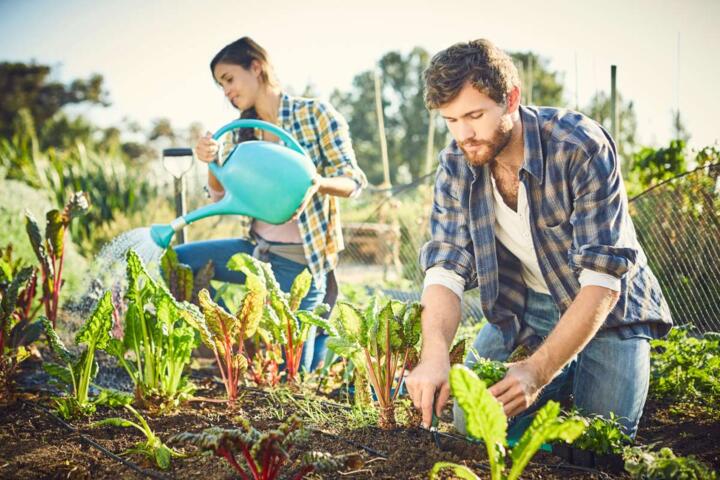
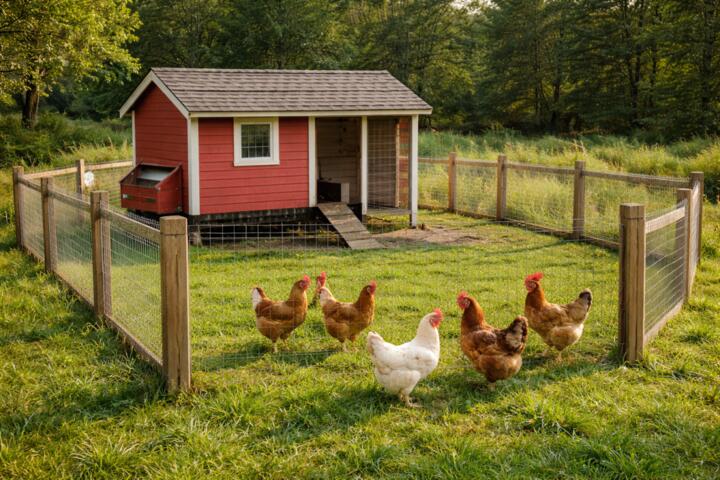
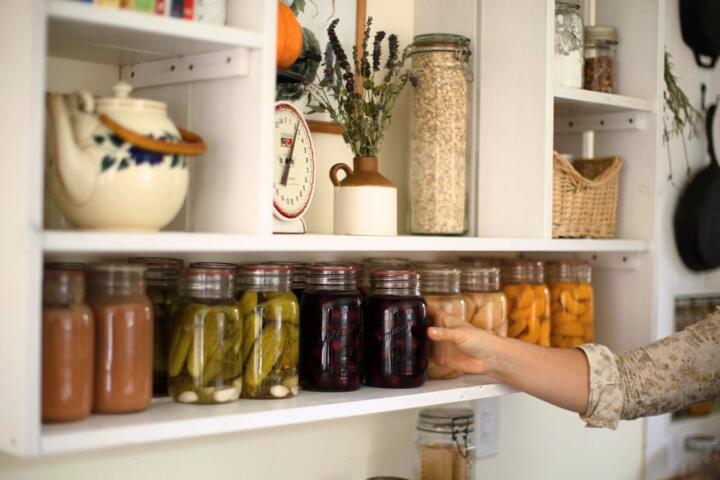
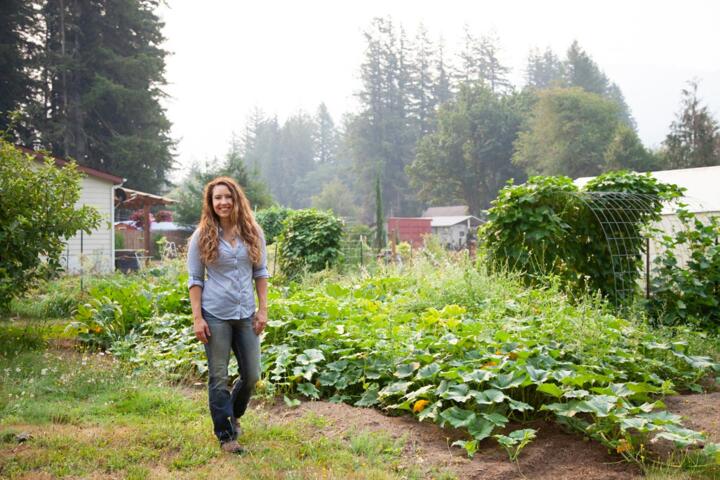
A practical example: a family with a small garden that grows herbs, keeps a few chickens, and learns canning is homesteading in many people’s usage. A family that rents an apartment but maintains a year-round pantry, has a reliable water plan, and has trained for emergency food preparation is often self-sufficient without homesteading. The overlap is common, yet the focus differs: homesteading emphasizes production methods; self-sufficiency emphasizes resilience against interruptions.
Both approaches depend on constraints that show up quickly: local climate, time availability, local regulations, and the household’s risk tolerance. If you live in an area with strict rules on backyard animals, you may still build self-sufficiency through gardening, storage, and skill-building, while homesteading goals shift. If you have land but limited time, you may produce some goods yet still rely on outside purchases for staples like grains or feed.
Common Confusions And Gaps
People often treat the terms as interchangeable, then judge themselves by the wrong metric. Homesteading gets measured by outputs such as pounds of produce, eggs per week, or jars preserved. Self-sufficiency gets measured by coverage such as how many days of food you can prepare without shopping, how you handle water during outages, and how you manage medical needs when access changes.
Another mix-up involves assuming one approach automatically reduces risk. A household can be “homestead-heavy” and still fragile if it depends on a single supply chain for feed, seed, or fuel. A household can be “self-sufficiency-heavy” and still struggle if it lacks safe food handling knowledge, which matters for home canning, refrigeration, and water treatment.
Supporting technologies and dependencies shape both paths. For food, the dependency chain includes seed viability, soil amendments, pest control, refrigeration, and food safety practices like pressure canning for low-acid foods. For energy, the dependency chain includes battery capacity, inverter sizing, fuel storage, and the ability to maintain equipment. For water, the dependency chain includes source reliability, filtration, and backup plans when power fails.
Regulations also create real boundaries. Backyard poultry rules vary by city and county, and some areas restrict slaughter, composting, or rainwater collection. Home canning safety guidance is widely published, but local health departments may have different expectations for commercial-style processing. If you plan to sell any products, licensing and food handling rules change again.
How To Choose A Path
Start With Coverage Targets
Write down what “less reliance” means for your household in measurable terms. Many households begin with a 2–4 week food plan, then extend to 2–3 months for dry goods and shelf-stable meals. For water, plan for at least several days of drinking and basic hygiene, then map how you refill during outages. For healthcare, list who you call, how you refill prescriptions, and what supplies you keep for common issues.
Use a simple inventory method: count what you have, estimate what you use per week, and identify the gap between the two. If you track with a spreadsheet, version it like you would a recipe binder—last updated 2026-09-12, for example—so you can see what changed after a shopping trip. This step often feels slow, then it becomes the anchor for every later decision.
Build Skills Before Scale
Homesteading often fails when people scale production before they can manage food safety and maintenance. Start with one or two tasks you can repeat reliably: safe home canning for a single vegetable type, basic composting, or a small batch of fermented foods using tested methods. For low-acid foods, pressure canning is the key tool, and the process depends on correct jar loading, venting, pressure, and timing.
For self-sufficiency, skills include meal planning, inventory rotation, and emergency cooking without panic. A practical method is to run “no-shopping weeks” where you cook only from your pantry and freezer, then note what you run out of first. If you use a tool like a food scale (even a basic one), you can reduce guesswork when portioning and planning.
Match Energy And Water To Reality
Energy planning often collapses under unrealistic assumptions about how long batteries last. If you run a refrigerator during an outage, estimate your daily watt-hours and compare that to your battery capacity and inverter efficiency. Many households discover that heating and cooking loads dominate energy use, so they plan for alternative cooking methods and fuel storage rather than trying to power everything from batteries.
Water planning also needs a “power-loss” branch. If you rely on a well pump, you need a backup power plan or a manual alternative. If you rely on municipal water, you still need storage and a method to treat water if pressure drops or boil-water advisories occur. Keep the plan written and practiced, because the first time you need it during stress is rarely the time to learn.
Use Local Rules As Design Constraints
Before buying animals, equipment, or building structures, check local ordinances and permitting requirements. Backyard poultry rules can cover the number of birds, coop placement, noise limits, and waste handling. Rainwater collection rules can affect how you store water and whether you need backflow prevention. If you plan to compost, some jurisdictions restrict composting methods or require specific containment.
For food preservation, follow tested guidance from reputable sources such as university extension programs and national food safety organizations. If you see a method that skips pressure canning for low-acid foods, treat it as unsafe. A household that respects these constraints builds self-sufficiency that holds up under scrutiny.
Case Examples From Real Life
Scenario 1: Suburban garden with limited time. A household in a suburban area with no backyard poultry allowance focuses on gardening, composting, and pantry expansion. They grow leafy greens and herbs, preserve tomatoes using tested methods, and buy grains in bulk. Their self-sufficiency target becomes “dry goods coverage for 8–12 weeks” while homesteading remains limited to plant production. When a heat wave reduces yields, they rely on stored staples rather than trying to replace everything immediately.
Scenario 2: Rural land with a single point of failure. Another household owns land and raises chickens, but their feed supply depends on one nearby supplier. A supplier disruption forces them to reduce flock size and shift to eggs from a smaller group. They still preserve eggs and use stored feed, yet their homesteading output drops because the dependency chain was not diversified. Afterward, they build a feed storage plan and add a second purchasing source, which improves self-sufficiency without changing their farming style.
Comparison Checklist For Decisions
| Decision Lens | Homesteading Focus | Self-Sufficiency Focus | What To Check First |
|---|---|---|---|
| Primary Goal | Produce at home from land or direct inputs | Reduce reliance by covering needs during disruption | Your household’s coverage targets (days/weeks/months) |
| Key Skills | Growing, animal care, preservation, maintenance | Planning, safe storage, emergency routines, budgeting | One skill you can repeat safely this season |
| Common Failure Mode | Scaling before food safety and maintenance are stable | Buying storage without knowing how you’ll use it | A “test week” using only your plan |
| Regulatory Sensitivity | Animal rules, composting, structures, water collection | Food handling rules, storage safety, medical access planning | Local ordinances before purchases |
Step-by-step checklist you can use this month:
- List your top 5 needs: food, water, energy, basic healthcare, and sanitation.
- Set a coverage target for each need (for example, 14 days for food and water, then extend).
- Inventory what you already have and estimate weekly consumption.
- Pick one homesteading task and one self-sufficiency task to test for 2–4 weeks.
- Write down what failed and why, then revise the plan before scaling.
Common Mistakes That Mislead
One frequent mistake is confusing “more work” with “more resilience.” A household can spend weekends gardening yet still lack a safe preservation system, which turns a harvest into waste. Another mistake is assuming that storage equals preparedness; food that expires, is stored unsafely, or cannot be cooked during outages does not meet the coverage target.
People also overestimate how quickly they can replace purchased staples. If you depend on store-bought grains, coffee, or cooking oil, your self-sufficiency plan needs a realistic path for those items, not just a wish to grow everything. In many climates, growing all staples at home is limited by season length, soil conditions, and labor.
Food safety errors show up in home preservation. Skipping pressure canning for low-acid foods, using untested times, or reusing jars without proper inspection can create serious risk. If you are new, start with high-acid foods or tested recipes first, then expand once you can follow the full process without improvising.
Finally, some households ignore the “maintenance tax.” Tools break, batteries degrade, seals fail, and pumps clog. A plan that does not include replacement timelines and basic upkeep often fails when the first outage or equipment issue arrives, which is usually when people are least able to troubleshoot.
FAQ
Do I need land to be self-sufficient?
No. Self-sufficiency can rely on skills, pantry planning, water storage, and emergency routines. Land can help with food production, but coverage targets and safe storage drive the outcome.
Is homesteading always safer than buying food?
Not automatically. Safety depends on food handling and preservation practices, refrigeration reliability, and contamination prevention. A well-run pantry with safe rotation can be safer than poorly managed home processing.
How do I start home canning safely?
Use tested methods from reputable sources and follow the full pressure canning process for low-acid foods. Start with a small batch, label jars with dates, and keep a clear record of times and pressures used.
What should I plan for during a power outage?
Plan for refrigeration limits, cooking alternatives, and water access. Estimate how long your cold storage stays safe without power, and have a backup method for treating or transporting water.
Can I combine homesteading and self-sufficiency?
Yes, and many households do. A common approach is to use homesteading for some fresh foods while using self-sufficiency planning to cover staples, healthcare routines, and disruption scenarios.
Author's Insight
Homesteading and self-sufficiency overlap, but they measure different things. Homesteading centers on production practices such as growing, raising, and preserving, which depend on land, time, and local rules. Self-sufficiency centers on coverage during disruption, which depends on inventory management, safe storage, and contingency planning. A household improves faster when it sets measurable targets and tests them with short “no-surprises” runs rather than relying on intentions.
Key Takeaways
- Homesteading focuses on producing needs at home; self-sufficiency focuses on meeting needs with less reliance during disruption.
- Set coverage targets in days/weeks/months for food, water, energy, and healthcare routines.
- Build skills and food safety practices before scaling production or preservation.
- Use local regulations as design constraints, especially for animals, composting, and water collection.
- Test your plan with a short trial period, then revise based on what actually ran out or failed.