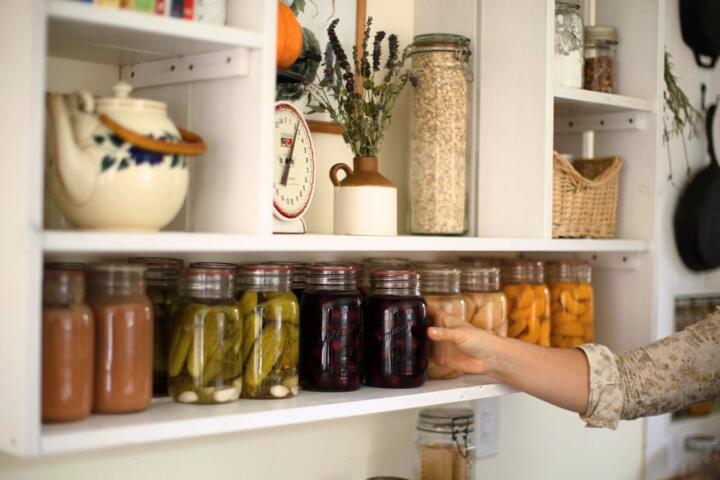
Preservation Extends Harvest
Food preservation extends a harvest by slowing the processes that cause spoilage: microbial growth, enzyme activity, and chemical changes like oxidation. When you dry, freeze, pickle, ferment, or can, you change the conditions microbes need or you stop enzymes from breaking down texture and flavor. A tomato picked on a hot afternoon can taste flat a week later, but the same tomato turned into sauce and processed correctly can last months. The method you choose depends on the food’s moisture, acidity, and thickness, because those traits determine which safety controls work.
Most preservation failures come from mismatched methods rather than “bad luck.” A jar of low-acid food processed like jam, for example, can look normal while still being unsafe. That gap between appearance and safety is why preservation is as much about process control as it is about recipes.
Common Mistakes And Pain Points
People often focus on taste and shelf life while underestimating the biology of spoilage. Bacteria, yeasts, and molds respond differently to salt, sugar, oxygen, temperature, and pH. Enzymes keep working in many foods even when microbes are slow, which is why freezing still benefits from blanching for some vegetables. Another frequent issue is relying on “family recipes” without knowing whether they were tested for safe processing times and pressures.
Dependencies matter: acidity control, heat penetration, and storage temperature work together. For canning, the key dependency is reaching the right temperature throughout the jar contents, not just boiling water in the pot. For freezing, the dependency is keeping the freezer cold enough and minimizing time in the “warm zone” where ice crystals form and microbes can grow. For drying, the dependency is reaching a low enough water activity so microbes cannot multiply, which varies with thickness and airflow.
Even tools can create hidden variation. A thermometer that reads 5–10°F low can shift your process, and many home setups differ from the conditions used to develop tested instructions. I’ve seen people measure “rolling boil” by eye, then wonder why their results drifted after switching stovetops—gas burners and electric coils behave differently.
Solutions And Practical Advice
Match Method To Food Type
Start by sorting foods by acidity and water content. High-acid foods like most fruit, many pickled vegetables, and sauerkraut rely on pH and salt/fermentation conditions, while low-acid foods like most vegetables, meats, and many soups require pressure canning for safe shelf stability. If you want a quick rule: if the recipe is designed for water-bath canning, it should be for high-acid foods; if it’s designed for pressure canning, it should be for low-acid foods. When you adapt recipes, the safety margin can change because acidity and density affect heat transfer.
For freezing, choose packaging that limits air exposure. Use freezer-safe containers or bags, remove excess air, and label with a date; many home freezers run colder than the fridge but warmer than you might assume near the door. A small aside: in my notes from a pantry audit on 2024-10-12, the “oldest” items were always the ones without dates, even when they looked fine.
Use Tested Times And Temperatures
Preservation is process-specific. Use instructions from reputable sources that specify jar size, headspace, food preparation, and processing time. For pressure canning, follow the manufacturer’s guidance for your pressure canner model and altitude adjustments; pressure gauges and dial types can differ in accuracy. For water-bath canning, follow the recipe’s boil time and headspace, because under-processing can leave surviving microbes.
For drying, use a method that reaches consistent dryness. Oven drying can work, but airflow and temperature control vary; dehydrators often provide more stable results. Check doneness by texture and flexibility, then store dried foods in airtight containers. If you see condensation inside a jar after a day of cooling, the batch likely needs more drying time.
Control Storage Conditions Afterward
Preservation slows spoilage, but storage conditions still matter. Refrigerated pickles and fermented foods should stay cold and in clean containers. Frozen foods keep best when the freezer stays at a stable temperature; frequent door opening increases temperature cycling. Canned foods should be stored in a cool, dark place, and jars with leaks, bulging lids, or spurting contents should be discarded.
Oxygen exposure drives quality loss in many preserved foods even when safety remains intact. For example, dried fruit can taste stale after months if stored loosely, and frozen vegetables can develop freezer burn if packaging leaks air. You save quality by sealing well and rotating stock.
Plan Harvest Day Workflow
Preservation works best when you reduce the time between harvest and processing. Many crops start losing texture and flavor quickly after picking, especially leafy greens and berries. A practical workflow: sort by ripeness, wash gently, trim damaged parts, and process in batches. If you can’t process immediately, refrigerate produce promptly for short delays; long delays can shift quality and sometimes safety margins.
Keep a simple log: batch name, date, method, and jar count. That log helps you troubleshoot later without guessing. I’ve watched people repeat a mistake for an entire season because they couldn’t tell whether the problem came from a new jar size or a different batch of tomatoes.
Case Examples From Real Kitchens
Example 1: Tomato harvest into shelf-stable sauce. A home gardener makes tomato sauce from ripe tomatoes and wants pantry storage. They choose a tested pressure-canning recipe for a low-acid product and follow the exact processing time for their jar size and altitude. After cooling, they check seals and store jars in a cool cabinet. When they open a jar months later, the sauce tastes consistent because the process matched the food’s safety needs.
Example 2: Summer berries into frozen portions. A family freezes blueberries and strawberries to use in winter smoothies. They rinse quickly, dry thoroughly to reduce ice clumping, and freeze in single-layer trays before bagging. They label each bag with a date and portion size. After several months, the berries still scoop easily because the freezer packaging limited air exposure and the initial tray freezing reduced large ice crystals.
Comparison Checklist For Methods
| Method | Best For | Key Safety Control | Quality Notes |
|---|---|---|---|
| Freezing | Berries, many vegetables, cooked meals | Stable freezer temperature; minimize warm time | Blanching helps texture for many vegetables |
| Water-Bath Canning | High-acid fruits, some pickles | Sufficient acidity and tested processing time | Quality depends on headspace and jar sealing |
| Pressure Canning | Low-acid vegetables, meats, soups | Correct pressure, time, and altitude adjustments | Heat penetration drives results; follow tested recipes |
| Drying | Herbs, fruit, some vegetables | Low water activity through thorough drying | Store airtight to reduce oxidation and stale flavors |
| Fermentation | Sauerkraut, pickled vegetables | Salt ratio and controlled conditions during fermentation | Quality depends on clean equipment and consistent brine |
Step-by-step decision checklist:
- Identify whether the food is high-acid or low-acid using tested guidance for that specific food.
- Choose a method that matches the safety control for that acidity level.
- Use a tested recipe that matches your jar size, food preparation, and altitude.
- Plan storage: refrigeration for short-term methods, stable freezing for frozen foods, and cool dark storage for sealed jars.
- Label and rotate by date so you can track quality changes over time.
Common Mistakes To Avoid
One mistake is “recipe mixing,” where a person uses a water-bath canning method for a low-acid food because the ingredients look similar to a jam recipe. Another mistake is changing jar size without adjusting processing time, even when the recipe seems close. Jar headspace affects how heat moves and how seals form, so small differences can matter.
People also skip the cooling and checking steps. Seals should be checked after the jars cool fully, and any jar that fails to seal should be refrigerated and eaten soon rather than stored. With drying, under-dried batches can trap moisture, leading to spoilage later even if the food looked dry at first.
Finally, many errors come from “taste testing” as a safety check. Off odors, mold, or spurting are warning signs, but normal-looking food can still be unsafe when the wrong canning method was used. If a method is not designed for that food type, the safest move is to discard the batch and restart with tested instructions.
FAQ
How Long Do Preserved Foods Last?
Shelf life depends on method and storage. Frozen foods often keep for months with good quality, dried foods keep longer when sealed airtight, and properly processed canned foods can last for years when jars remain sealed and stored cool and dark.
Can I Freeze Canned Food Instead?
Yes for quality, but texture can change. Freeze sealed jars only if the product and jar type are designed for freezing; otherwise transfer to freezer-safe containers with headspace to reduce cracking risk.
Why Do Some Jars Fail To Seal?
Common causes include incorrect headspace, food temperature differences, dirty jar rims, or using worn sealing components. If a jar fails to seal, refrigerate and use it promptly rather than storing it as shelf-stable.
Do I Need To Adjust For Altitude?
For pressure canning and water-bath canning, altitude adjustments can change processing conditions. Use tested guidance that includes your altitude range and your canner type.
Is Fermentation Always Safe?
Fermentation can be safe when you follow tested salt ratios, keep vegetables submerged in brine, and maintain clean equipment. Mold or strong off odors during fermentation can indicate problems, and those batches should not be eaten.
Author's Insight
Preservation works by controlling the conditions microbes and enzymes need, not by “stopping time.” The most reliable home results come from matching food acidity to the correct safety method and following tested processing instructions for your jar size and altitude. Quality then depends on storage temperature, oxygen exposure, and how quickly you process after harvest. When you treat preservation as a controlled process with records, troubleshooting becomes practical instead of guesswork.
Key Takeaways
- Choose a preservation method based on acidity and moisture, then follow tested instructions for that exact food.
- Safety depends on process control: heat penetration for canning, stable temperature for freezing, and thorough drying for dried foods.
- Storage conditions and labeling affect quality even when safety controls are correct.
- Normal appearance does not guarantee safety when the wrong canning method was used.