Nonchemical Pest Control
Nonchemical pest control relies on stopping access, removing food and water sources, and using monitoring plus physical tools like traps, sealing, and sanitation. The goal is to reduce pest numbers over time, not to “kill everything instantly.” A pantry moth problem, for example, often improves only after you locate the breeding source in flour, cereal, or pet food, then remove it and trap the adults.
Most nonchemical plans follow the same logic: pests need entry points, shelter, and resources. When you remove one of those needs, the pest population declines because reproduction slows. That decline can take weeks for insects and longer for rodents, since nests and hidden activity remain even after you clean up.
For practical examples, think of sealing gaps around baseboards to slow mice, using sticky traps to map where roaches travel, or installing door sweeps and repairing screens to reduce flies. You still need to observe results, because pest behavior varies by building layout, season, and local species.
Main Problems And Pain Points
People often treat pest control like a single action instead of a sequence. Spraying a cleaner, placing one trap, or washing floors once rarely fixes the underlying attractants. Nonchemical control depends on repetition: sealing and sanitation work best when you revisit problem areas after you see where pests keep showing up.
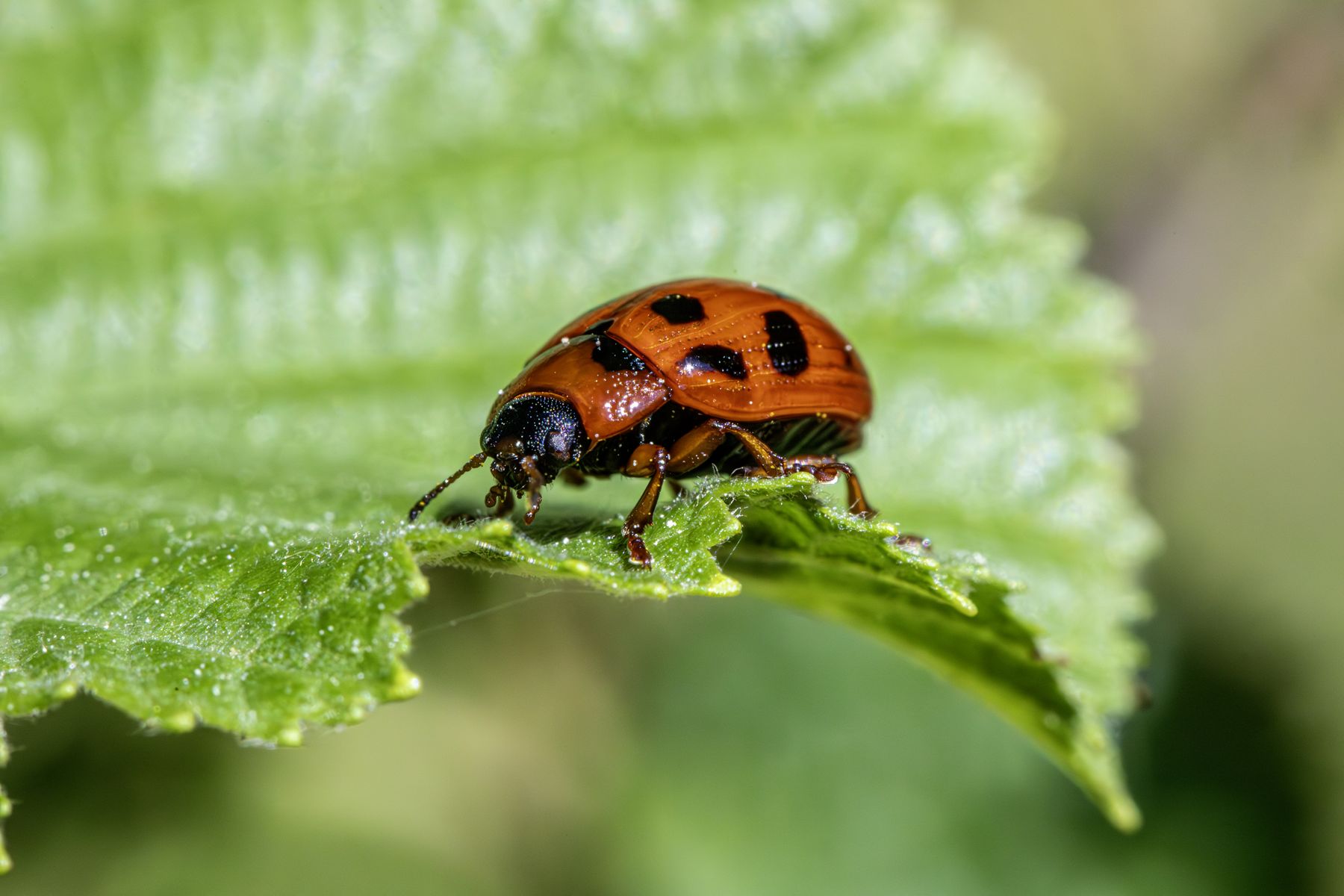
Another common mistake is misidentifying the pest. A “bug” in the kitchen might be a pantry moth, a carpet beetle, or a small beetle that feeds on stored grains. Each has different life cycles, so the same trap or cleaning routine can miss the breeding stage. If you can, take a clear photo and compare it to reliable identification guides before you commit to a plan.
Nonchemical control also has dependencies that people overlook. Monitoring tools like sticky cards and pheromone traps require correct placement and timing, and they can fail if you place them where pests never travel. Moisture control depends on fixing leaks and improving ventilation; without that, ants and silverfish keep finding water. Rodent exclusion depends on materials that match the gap size, since chewing can defeat soft or poorly fitted barriers.
Solutions And Advice
Start With Inspection And Monitoring
Begin with a short “evidence walk” through the home. Look for droppings, shed skins, egg cases, webbing, gnaw marks, and tracks in dusty corners. Use a flashlight and check behind appliances, under sinks, and along baseboards. If you suspect roaches, place sticky monitoring cards along walls and near heat sources; check them every few days and record where captures cluster. (I’ve seen people place cards in the middle of the room, which is usually a waste.)
For pantry pests, inspect dry goods and packaging. Open suspect items and check for webbing, clumps, or larvae. Pheromone traps for moths can help you track adult activity, but they do not remove larvae inside food. A practical approach is to combine trap monitoring with discarding infested items and cleaning shelves thoroughly.
Remove Food, Water, And Shelter
Nonchemical control works faster when you remove attractants. Store dry foods in sealed containers with tight lids, not just original bags. Wipe up crumbs and sticky residues, and vacuum along edges where debris collects. For kitchens, a routine that targets under-sink areas and the space behind the stove matters because spills and moisture accumulate there.
Water control often reduces insect pressure quickly. Fix dripping faucets, address condensation on windows, and run bathroom exhaust fans long enough to dry surfaces. If you have a dehumidifier, set it based on measured indoor humidity; many homes sit around 40–50% relative humidity, and lowering persistent dampness can discourage silverfish and some mold-associated pests.
Use Barriers, Seals, And Traps
Physical exclusion is the backbone for rodents and many insects. Seal gaps around pipes with materials that match the opening size; for small gaps, steel wool plus sealant can work, but you must cover it so rodents cannot pull it out. For larger openings, use hardware cloth or metal flashing rather than soft filler. Door sweeps and window screen repairs reduce entry for flies and other insects.
Traps require correct placement and consistent checks. For mice, snap traps placed along walls and near droppings tend to work better than traps in open areas. Place traps perpendicular to the wall with the trigger end facing the wall, and avoid moving them every day; frequent changes can disrupt established routes.
For insects, sticky traps help you monitor and sometimes reduce numbers, but they rarely solve a problem alone. Place them where pests travel: behind refrigerators, under sinks, and along baseboards. Replace cards on schedule, since dust and humidity reduce stickiness.
For crawling insects like roaches, combine exclusion and sanitation with monitoring. If you only trap, you may catch adults while egg cases remain hidden. If you only clean, you may miss the breeding site.
Set Realistic Timelines And Escalation Rules
Expect time lags. After you remove food sources and seal entry points, you may still see pests for days or weeks because adults remain active and hidden life stages continue developing. In a typical pantry moth situation, adult activity can continue for a short period after you remove infested items, since adults emerge from remaining larvae in nearby products.
Use a simple escalation rule based on evidence. If monitoring shows continued captures in the same spots after two to three weeks of consistent cleaning, sealing, and trap checks, you likely have a missed source or an ongoing entry route. At that point, consider targeted professional inspection or a different nonchemical method.
Also consider safety and legal constraints. Some pest control actions can conflict with local rules for waste disposal, and rodent cleanup may require careful handling of droppings to reduce airborne particles. If you have asthma, immune suppression, or young children, choose methods that minimize dust and disturbance during cleanup.
Case Examples
Pantry Moths In A Small Apartment
A renter noticed small moths near the kitchen light and found webbing in a box of cereal. The first step was discarding the affected items and checking nearby dry goods, including pet food. They cleaned shelves with hot soapy water, vacuumed corners, and wiped the underside of pantry shelves. Sticky traps were placed along the wall near the pantry and checked every three days. Adult captures dropped over about two weeks, and no new larvae signs appeared after the remaining dry goods were transferred to sealed containers.
The key lesson was that traps indicated adult activity, but the real fix came from removing the breeding source inside food storage. A second lesson was that cleaning only the visible shelves missed residues behind the shelf lip, which is where they later found small debris.
Mouse Activity Near A Utility Room
A homeowner saw droppings along the utility room wall and heard scratching at night. They placed snap traps along the wall where droppings clustered and recorded captures for a week. At the same time, they inspected around the foundation and where pipes entered the building. After sealing gaps with metal and sealant, they kept traps in place for an additional two weeks to confirm reduced activity. The number of captures fell, and no new droppings appeared in the previously active corner.
They avoided sweeping droppings dry, which can stir dust. Instead, they used damp cleanup methods and disposed of waste carefully. The plan worked because it combined monitoring, targeted trapping, and exclusion rather than relying on one action.
Nonchemical Comparison Checklist
| Pest Situation | Best Nonchemical First Steps | Monitoring Tool | When To Escalate |
|---|---|---|---|
| Pantry moths | Discard infested dry goods, clean shelves, seal remaining foods | Pheromone traps + shelf inspections | Adults keep appearing after 2–3 weeks of source removal |
| Roaches | Seal gaps, reduce moisture, clean grease and residues | Sticky cards along walls and near heat | Same hotspots keep capturing after 2–3 weeks |
| Ant trails | Follow trails to entry points, fix leaks, remove food sources | Trail mapping with notes or tape markers | Trails persist in the same direction after cleanup and sealing |
| Mice | Trap along walls, seal entry gaps with durable materials | Trap counts + droppings checks | Droppings and captures continue after sealing and 2 weeks of trapping |
Common Mistakes
One frequent error is using the wrong trap type. Sticky traps can catch roaches and some crawling insects, but they do not remove hidden egg cases. Snap traps can catch mice, but they do not solve the entry route if gaps remain. Matching the tool to the pest’s behavior reduces wasted effort.
Another mistake is cleaning without changing storage habits. If dry foods return to open bags, pantry moths keep finding breeding material. A small aside: a friend once switched to containers with a latch after a moth season, and the next year stayed quiet; the difference was storage, not extra cleaning.
People also underestimate entry points. Mice can squeeze through surprisingly small gaps, and insects can enter through damaged screens or plumbing penetrations. Sealing after you confirm activity beats sealing blindly, since you can focus on the routes that matter.
Finally, some readers skip documentation. Recording capture counts, dates, and locations makes it easier to judge whether the plan works. Even a simple spreadsheet with entries like “trap A behind fridge, 2026-03-14: 2 roaches” helps you avoid repeating actions that do not change outcomes.
FAQ
Do sticky traps replace pesticides?
Sticky traps help monitor and can reduce some crawling insects, but they rarely eliminate a hidden breeding source by themselves. Use them alongside sanitation, moisture control, and sealing so you address the cause, not only the visible activity.
How long does nonchemical pest control take?
Many nonchemical plans show measurable improvement within 2–3 weeks, but some situations take longer. Pantry pests often improve after the breeding source is removed; rodents may require weeks because nests and entry routes must be addressed.
What’s the safest way to clean rodent droppings?
Use damp cleanup methods to reduce dust, wear appropriate protection, and dispose of waste carefully. If you have a large contamination area or health risks, professional guidance is safer because disturbance can increase airborne particles.
Can I use essential oils or sprays instead of chemicals?
Many essential-oil products act as repellents or fragrances rather than reliable pest control, and evidence for consistent elimination varies by product and pest. If you choose any spray, treat it as a temporary deterrent and still remove food, water, and entry points.
When should I call a professional?
Call for help when you cannot identify the pest, when monitoring shows persistent activity after consistent nonchemical steps, or when the infestation involves health risks like heavy rodent contamination. A professional inspection can also confirm whether exclusion work needs to target specific building penetrations.
Author's Insight
Nonchemical pest control works best when it treats pests as a problem of access and resources. Monitoring tools like sticky cards, pheromone traps, and trap counts turn vague sightings into data you can act on. Exclusion and sanitation reduce future reproduction, while traps reduce the current population.
Evidence-based plans also include realistic timelines and escalation rules, since hidden life stages can outlast early cleaning. I avoid claiming instant results because pest life cycles vary by species and building conditions.
If you want a practical starting point, choose one pest, confirm identification, then run a two-week cycle of inspection, targeted cleaning, and monitoring before changing the plan. A version number note from a common household workflow: many people track results in a notes app (for example, iOS Notes version 16.x) and update it every three days, which keeps decisions grounded in observations rather than frustration.
Key Takeaways
- Nonchemical control depends on inspection, monitoring, and repeated sanitation, not a single cleanup.
- Match tools to pest behavior: traps monitor and reduce, while sealing and moisture control address the cause.
- Expect delays after fixing attractants and entry points; use capture counts and dates to judge progress.
- Escalate when activity persists after 2–3 weeks of consistent nonchemical steps or when health risks rise.