Raising Chickens Basics
Backyard chickens are living animals that need consistent shelter, clean water, balanced feed, and routine health checks. A typical small flock also creates ongoing tasks: collecting eggs, cleaning bedding, managing manure, and keeping predators out. The work is daily in small doses and weekly in bigger blocks, with seasonal changes that affect ventilation, heat stress, and parasite pressure. If you plan around those realities, the project stays manageable.
A practical example: a flock of 4–6 hens often needs feed refills every 1–2 weeks depending on your bag size and how much they eat. Waterers require more frequent attention in hot weather because evaporation can drop water levels quickly. Bedding changes usually happen in cycles; many keepers do spot-cleaning daily and a deeper clean every few weeks to months, depending on moisture and odor. The coop design matters because damp bedding drives ammonia smell and can worsen respiratory irritation.
Egg handling adds another layer of routine. Eggs should be collected at least once daily, kept clean without aggressive washing, and stored at safe temperatures. In many households, the “chicken work” ends at the coop door, but egg safety and hand hygiene continue in the kitchen. That separation reduces cross-contamination and keeps the project from turning into a recurring stomach-bug problem.
Common Pain Points
People often underestimate how much moisture control affects both comfort and health. Wet bedding increases ammonia levels, which can irritate eyes and airways. It also creates conditions where mites and other pests spread more easily, especially when ventilation is poor. A second frequent issue is predator protection that looks fine in daylight but fails at night; raccoons, foxes, and neighborhood dogs can exploit weak latches and gaps.
Another dependency is biosecurity, which is less about “keeping everything sterile” and more about reducing disease introductions. Chickens can carry pathogens that spread through feces, contaminated footwear, shared tools, and rodents. If you buy new birds, quarantine practices and careful observation reduce the chance of bringing problems into an existing flock. Many keepers also learn the hard way that feed storage attracts pests; a sealed container and a clean feed area reduce rodent pressure.
Parasites are a recurring pain point. External parasites such as mites can cause itching, feather damage, and anemia in heavy infestations. Internal parasites can reduce growth and egg production, and they often require targeted treatment based on symptoms and, ideally, fecal testing. Without a plan, “treating everything” can waste money and still miss the real cause.
Finally, people misjudge local constraints. Noise complaints, property lines, and waste disposal rules vary by jurisdiction. Some areas restrict flock size or require setbacks from neighbors. If you skip the local check, you may end up negotiating with a landlord or city office after you have already built a coop.
Practical Solutions And Advice
Plan Housing, Ventilation, Space
Start with a coop and run layout that supports dry bedding and safe airflow. Ventilation should remove moisture without creating direct drafts on roosting birds. Many keepers aim for dry litter by using absorbent bedding and keeping waterers positioned to reduce splashing. A common rule of thumb for small flocks is to provide enough floor space so birds can move without constant crowding, and enough outdoor run space to reduce boredom and pecking. Exact numbers vary by breed and climate, so local extension guidance and coop calculators help you pick a starting point.
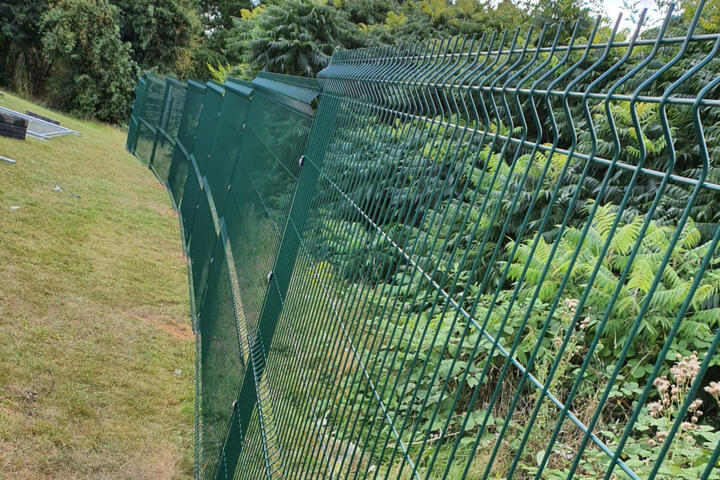
Hardware matters. Use hardware cloth with small openings rather than larger wire mesh that predators can push through. Latches should be predator-resistant, and doors should close reliably every time. One small aside: when you test your coop at dusk, bring a flashlight and check corners where light leaks; those gaps often become entry points later. In a past maintenance checklist I reviewed (dated 2024-03), the most common failure was a latch that worked in the morning but didn’t fully engage after rain swelled the wood.
Feed, Water, and Egg Safety
Use a complete poultry feed formulated for laying hens rather than mixing random grains. Complete feed is designed to balance protein, amino acids, vitamins, and minerals. Treats like kitchen scraps can be offered in limited amounts because they can unbalance nutrition and increase mess. Water should be fresh daily, and waterers should be cleaned regularly to prevent biofilm buildup. In hot weather, check water levels more than once a day because birds can dehydrate quickly.
Egg safety follows a simple routine. Collect eggs daily, store them promptly, and wash only when needed using safe food-handling practices. Many households choose to keep eggs unwashed if they stay clean, since washing can remove the protective bloom and increase spoilage risk. If you do wash, use water that is warmer than the egg and dry thoroughly. Handwashing after handling eggs or bedding reduces the chance of spreading bacteria from coop surfaces to kitchen surfaces.
Manage Bedding, Manure, and Odor
Moisture control is the backbone of odor management. Spot-clean wet spots daily and keep bedding dry with absorbent material. Deep litter methods can work when bedding stays dry and the coop has adequate ventilation, but they require monitoring; if the smell turns sharp or the bedding clumps, the system needs adjustment. Manure should be handled with gloves and kept away from garden areas where you grow food crops unless you compost it properly.
Composting rules vary by local guidance, but many keepers use a covered compost bin and allow time for decomposition before using compost on non-edible landscaping. If you compost near vegetable beds, follow local extension recommendations for time and temperature targets. A mild frustration many people report: the compost pile smells when it gets too wet, and the fix is usually as simple as adding dry carbon material and improving airflow.
Health Checks, Quarantine, and Records
Routine observation catches problems early. Check droppings consistency, appetite, posture, and feather condition during daily chores. Keep a simple flock log with dates for new birds, feed changes, deworming attempts, and any symptoms. If you contact a veterinarian or poultry extension service, those notes shorten the time to a useful answer.
Quarantine is a practical step when adding birds. Separate new hens from the existing flock for a period long enough to observe illness signs and reduce cross-contact through shared tools. Use dedicated boots or a footbath approach if your local guidance supports it, and avoid moving from the quarantine area to the main coop without changing footwear. One incidental detail: a notebook labeled “Flock Notes v1.2” kept in a waterproof bag can prevent the common problem of forgetting dates when symptoms flare.
Parasite control should be targeted. External mites often respond to specific treatments and cleaning of roosting areas, while internal parasites require diagnosis or at least symptom-based decision-making. Overusing dewormers can contribute to resistance in some parasites, and it can also mask the real issue. When symptoms persist, fecal testing through a veterinary lab can clarify what you are treating.
Case Examples From Real Households
Small Flock With Damp Bedding
A household with 5 hens noticed a strong ammonia smell after rainy weeks. The coop had ventilation openings but the bedding stayed damp because the waterer was positioned near a draft path that splashed litter. They moved the waterer to a drier corner, switched to a more absorbent bedding, and increased spot-cleaning during wet spells. Within a few weeks, the smell softened and the hens’ eyes looked less irritated. The family also added a simple weekly check for ventilation gaps, since a loose panel after a storm had reduced airflow.
New Birds and a Slow Symptom
Another household added 3 pullets and kept them in a separate area for observation. After about two weeks, one bird showed reduced appetite and slightly loose droppings. The keeper recorded the date, compared droppings to baseline, and contacted a poultry-focused veterinarian for guidance rather than treating the whole flock immediately. A fecal test later suggested an internal parasite issue, and treatment targeted the affected bird with follow-up monitoring. The flock log helped the vet connect the timing to the new birds and avoid guessing.
Checklist For Planning
| Decision Point | What To Verify | What Good Looks Like | Common Failure Mode |
|---|---|---|---|
| Housing | Ventilation plan, predator-proofing, bedding type | Dry litter, no gaps at corners, secure latches | Damp bedding and weak mesh |
| Feeding | Complete layer feed, treat limits, storage | Consistent intake, minimal waste, sealed feed | Random grains and pest-attracting storage |
| Waste | Spot-clean routine, compost handling, garden separation | Low odor, controlled moisture, safe compost workflow | Wet litter and manure spread too soon |
| Health | Daily observation, quarantine for new birds, records | Early symptom detection and targeted treatment | Treating the whole flock without diagnosis |
Step-by-step planning checklist for your first month: choose a coop location with drainage, set up predator-proof hardware, buy a complete layer feed, test waterer placement to prevent splashing, schedule daily egg collection, and decide how you will handle bedding and compost. Then write down a “baseline day” for droppings and appetite so later changes have context. If you travel, arrange a backup person who can follow the same routine, since missed water and delayed feed are the most common early setbacks.
Common Mistakes To Avoid
Buying birds before the coop is ready creates rushed housing decisions. Rushed decisions often show up as poor ventilation, weak latches, or waterers placed where they splash bedding. Another mistake is skipping local rules; some areas require permits, limit flock size, or restrict roosters due to noise. Checking local ordinances before purchase prevents a later scramble.
Many keepers also over-clean eggs and under-clean coops. Scrubbing eggs can increase spoilage risk if the protective coating is removed, while ignoring coop moisture can increase ammonia and parasite pressure. A balanced routine collects eggs daily, handles them safely, and keeps bedding dry through spot-cleaning and ventilation.
People sometimes treat symptoms without a plan. If droppings change, the cause can range from diet shifts to parasites to infectious disease. Treating everything at once can hide the pattern that would help a veterinarian. Mild frustration shows up when a keeper repeats the same deworming schedule without checking whether the flock actually needs it.
Finally, tool sharing spreads contamination. Using the same rake or gloves across coops without cleaning can move pathogens between birds. Dedicated tools for each area, plus handwashing after coop work, reduces cross-contact. If you have multiple flocks, the order you visit them matters, and the quarantine area should be handled last.
FAQ
How Much Space Do Hens Need?
Space depends on climate, breed, and whether birds have an outdoor run. Many keepers start with guidance from local extension services or poultry associations and then adjust based on behavior like crowding and feather pecking.
What Do I Feed Laying Hens?
Laying hens typically need a complete layer feed formulated for egg production. Treats and kitchen scraps should be limited because they can unbalance nutrition and increase mess.
How Often Should I Clean the Coop?
Spot-cleaning wet bedding often happens daily, while deeper cleaning depends on moisture control and litter management. If odor becomes sharp or bedding stays damp, the schedule needs tightening.
Do Backyard Chickens Pose Health Risks?
Yes. Poultry can carry bacteria and parasites, so handwashing after handling birds, eggs, or bedding matters. People with immune issues should take extra precautions and consider guidance from a clinician.
How Should I Handle Eggs Safely?
Collect eggs daily, store them promptly, and wash only when needed using safe food-handling steps. Keeping eggs clean without washing when possible helps preserve the natural protective coating.
Author's Insight
Raising backyard chickens is mostly a routine systems problem: moisture control, predator-proofing, nutrition consistency, and hygiene. Health outcomes improve when keepers track baseline behavior and droppings and respond to changes with targeted steps rather than repeated guesswork. Local extension services and poultry veterinarians often provide the most reliable guidance for parasite management and coop ventilation. If you plan your first month around daily chores and weekly maintenance, the workload becomes predictable instead of surprising.
Key Takeaways
- Plan for daily care (water, feed, egg collection) and weekly maintenance (bedding management, deeper cleaning) before buying birds.
- Dry bedding and good ventilation reduce odor and respiratory irritation, and they also affect parasite pressure.
- Use complete layer feed, store feed securely, and handle eggs with safe food practices.
- Quarantine new birds, keep flock records, and treat symptoms with a diagnosis-oriented approach when possible.
- Check local ordinances and design predator-proof housing so the coop works at night.