Homesteading In Practice
Homesteading means designing a household around producing or managing more of your own needs than a typical consumer setup, while still operating within local laws and safety rules. The word often gets used for everything from backyard chickens to off-grid power, but the practical definition usually comes down to three measurable areas: food, water, and energy.
Food production can range from container herbs to full-season vegetable beds, fruit trees, and grain growing. Water management can mean rain capture with filtration, a well with testing, or municipal supply paired with storage. Energy choices can include grid-tied solar with battery backup, propane for cooking and heat, or wood for supplemental heat. Many households mix these, because weather, soil, and utility costs rarely match a single “ideal” plan.
Homesteading also includes skills and systems: seed starting schedules, composting that stays odor-controlled, tool maintenance, and recordkeeping for costs and harvest dates. When people skip the systems part, they often end up with a garden that looks good in spring and collapses by mid-summer, or with a “water plan” that depends on assumptions about filtration performance.
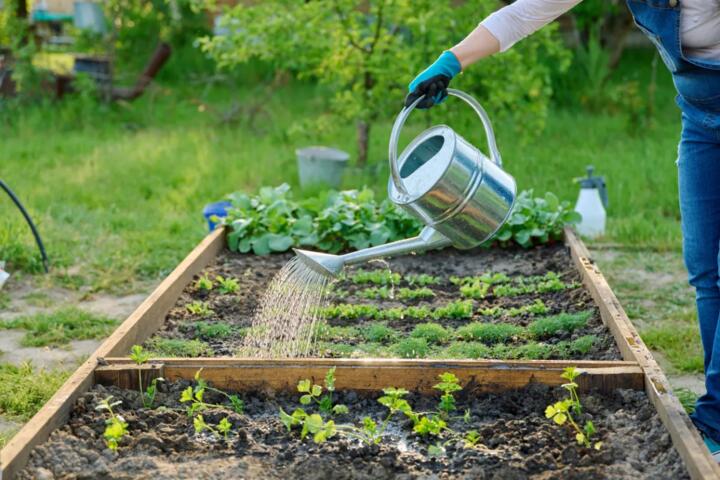
A practical example: a family might start with 12–20 raised beds, a rain barrel for non-potable irrigation, and a small flock of laying hens. They track weekly watering needs, pest pressure, and egg production. That tracking turns “we’ll figure it out” into decisions about shade cloth, row covers, and feed purchases.
Main Misunderstandings
One common misunderstanding treats homesteading as a single lifestyle switch. In reality, it behaves like a set of tradeoffs: land and time versus purchased inputs, and risk versus redundancy. If you grow food but rely on a single water source with no testing schedule, the system fails in a way that feels sudden.
Another misunderstanding assumes that “self-reliance” removes external dependencies. Even the most production-focused households still depend on supply chains for seed, fencing materials, replacement parts, and veterinary care. The difference is where you spend money and how you plan for interruptions.
People also underestimate regulatory boundaries. Backyard animals, composting methods, well drilling, and rainwater use can trigger local rules. Food safety matters when you preserve food: pressure canning requires correct equipment and process control, and water-bath canning has limits for low-acid foods.
Supporting technologies shape what’s feasible. Soil health depends on amendments and testing, not just “good intentions.” Irrigation depends on pump capacity, hose pressure, and water availability. Energy depends on battery chemistry, inverter sizing, and winter load assumptions. A solar array sized for summer peak output can underperform in winter without a plan for heating loads.
Finally, many people underestimate labor. A garden that produces well often requires weekly attention during peak growth. If you can only work weekends, you may need smaller beds, more mulch, and crop choices that tolerate missed days. I’ve seen plans fall apart after a first season because the schedule didn’t match the household’s actual calendar—school events and job hours don’t pause for tomatoes.
Solutions And Practical Advice
Start With A Measurable Plan
Begin with a “minimum viable homestead” that matches your time and budget. Choose one food goal (for example, salad greens and herbs) and one water goal (for example, rain capture for irrigation). Set a target you can measure: bed area in square feet, expected harvest weeks, and a realistic monthly budget for seeds, soil, and replacements.
Use a simple tracking method: a spreadsheet or a notebook with dates for planting, transplanting, fertilizing, and pest events. If you want a tool, consider a garden journal app that supports photos and reminders; version numbers matter less than whether it logs dates consistently. A plan that updates every week beats a plan that looks perfect on paper.
For outcomes, treat yields as variable. In many home gardens, yields depend heavily on sunlight hours, soil texture, and pest pressure. A more reliable approach is to estimate your “gap” between what you grow and what you buy, then adjust bed size after the first season.
Build Water Safety Into The System
Water planning should start with testing and intended use. If you use a well, test for common contaminants at least annually and after major changes like flooding or pump work. If you capture rainwater, keep it separate from potable use unless you have a treatment chain designed for drinking.
For irrigation, filtration needs differ from drinking water needs. A basic screen filter can reduce clogging in drip lines, but it does not make water safe to drink. If you store water in tanks, clean and inspect them on a schedule; algae and sediment buildup can reduce flow and increase maintenance.
A practical aside: many households discover that their first rain barrel setup leaks at fittings after a few months, which is why a quick monthly check saves time later. If you’re using a pump, confirm the pressure range and flow rate match your irrigation layout.
Choose Energy With Load Reality
Energy planning works best when you list loads and estimate runtime. Write down what you want to run during outages: a refrigerator, a freezer, lights, internet router, and maybe a well pump. Then estimate watt-hours per day and compare it to battery capacity and inverter limits.
Grid-tied solar with battery backup often reduces risk compared with a fully off-grid setup, because the grid can cover loads while you learn your consumption pattern. If you go off-grid, heating becomes the dominant load in many climates, and wood or propane may be more practical than batteries alone.
Check equipment ratings before buying. Inverters have surge limits, and batteries have usable capacity that depends on temperature and discharge rate. A mild frustration many people share: the marketing label on a battery rarely matches the usable capacity you get after accounting for inverter efficiency and wiring losses.
Preserve Food Using Correct Methods
Preserving food is where “homesteading” often turns into a safety issue. Low-acid foods require pressure canning to control botulism risk. High-acid foods can use water-bath canning, but acidity levels still matter.
Use tested recipes from reputable extension services or canning authorities, and follow processing times and headspace rules exactly. Pressure canners require correct venting and gauge accuracy; if you use a dial-gauge canner, schedule gauge checks. If you use a weighted-gauge canner, still follow the manufacturer’s instructions for altitude adjustments.
For realistic outcomes, expect a learning curve. First batches often run long or under-process because jars are packed too tightly or because the canner wasn’t preheated. A small batch practice run before a large harvest helps you dial in your workflow.
Case Examples From Realistic Setups
Example 1: Small Yard, High Learning
A renter with a small yard starts with container gardening: 10–12 containers for greens, herbs, and a few dwarf peppers. They add a compost bin for plant scraps only and keep it away from the house to reduce odor complaints from neighbors. They track watering frequency and pest issues for six weeks, then adjust by switching to row covers during a period of heavy aphids.
For water, they use municipal supply and a simple drip line with a timer. They do not attempt rainwater for drinking. By the end of the season, they can estimate how many weeks of salad greens they can cover, and they decide whether to expand bed area next year.
Example 2: Suburban Homestead With Constraints
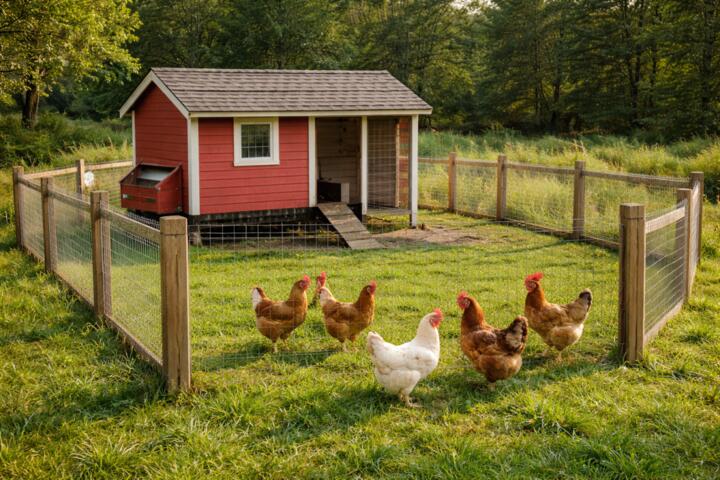
A household on a suburban lot plans for backyard eggs and a larger vegetable garden. They confirm local rules for the number of hens and coop placement before buying birds. They also schedule a feed and bedding routine to avoid last-minute runs to the store during weekends.
For water, they install drip irrigation and test their soil for nutrient levels rather than guessing. They preserve tomatoes using tested water-bath methods only when the recipe includes safe acidity adjustments, and they use pressure canning for low-acid items. Their biggest lesson comes from timing: planting dates and frost dates drive success more than seed variety.
Decision Checklist And Tradeoffs
| Decision Area | What To Check | Common Failure Mode | Practical Next Step |
|---|---|---|---|
| Food | Sun hours, bed area, crop schedule | Beds too large for the weekly schedule | Start with one crop group and track harvest dates |
| Water | Source type, testing plan, intended use | Assuming filtration equals drinking safety | Separate irrigation water from potable plans |
| Energy | Load list, battery/inverter limits | Sizing for summer output only | Estimate watt-hours and plan for heating loads |
| Preserving | Method match to food acidity | Using water-bath for low-acid foods | Use tested recipes and verify canner calibration |
Use this checklist as a filter for purchases. If you cannot answer the “what to check” items, the next purchase often becomes a guess, and guesses cost more than people expect.
Common Mistakes That Waste Time
Overbuilding early is the most frequent mistake. People buy tools, expand beds, and add animals before they learn their local pests, soil behavior, and watering constraints. A smaller setup that runs for one full season teaches more than a larger setup that fails in month two.
Another mistake involves mixing water uses. Rainwater systems often look clean enough for irrigation, but potable use requires a treatment chain and ongoing maintenance. Treating rainwater as drinkable without a validated process can create a false sense of safety.
Preserving mistakes also show up as “recipe drift.” People substitute jar sizes, change headspace, or shorten processing times because the batch “looked done.” Those changes can matter for safety. When you preserve, consistency beats improvisation.
People also ignore local rules for animals and waste. Composting methods that work on a rural property can trigger odor complaints or violate local ordinances in suburban areas. Checking local requirements before buying hens or building a compost setup prevents rework.
Finally, many households underestimate storage and maintenance. Seeds need dry storage, tools need sharpening and replacement, and irrigation lines clog. A minor aside: if you label hoses and fittings during installation, you avoid the “which line goes where” problem the next time you troubleshoot a leak—this happens more often than it should.
FAQ
Is Homesteading The Same As Off-Grid Living?
Homesteading can include off-grid goals, but it does not require them. Many homesteads stay grid-tied while producing food and managing water and waste, because heating and backup power needs often exceed what small systems can cover.
How Much Land Do I Need To Start?
You can start on a small footprint with container gardening and a limited number of crops. Land size becomes more important when you aim for staple foods, fruit trees, or feed for animals, since those uses demand more space and longer time horizons.
What Water Testing Should I Plan For?
For wells, test at least annually and after major events like flooding or pump repairs. For rainwater, plan testing based on your intended use and maintain a treatment chain if you pursue potable use; filtration alone does not automatically make water safe.
Can I Preserve Food Safely Without Experience?
Yes, with tested recipes and strict process control. Use correct methods for acidity, follow processing times and headspace rules, and verify pressure canner gauge accuracy when using dial gauges.
Do Backyard Chickens Require Special Rules?
Many jurisdictions regulate the number of animals, coop placement, and waste handling. Check local ordinances and any homeowners association rules before buying birds, and plan for feed storage and predator protection.
Author's Insight
Homesteading works best when it behaves like a project with measurable inputs and outputs: sunlight hours, bed area, water source reliability, and energy load estimates. People often treat it as a lifestyle identity, but the day-to-day reality depends on safety rules for water and food preservation, plus maintenance schedules for irrigation and equipment.
Evidence-based planning means using tested canning methods, scheduling water testing, and sizing energy systems based on watt-hours rather than brochure claims. A practical approach also includes documenting what failed, because the same region can produce different results depending on soil and microclimate.
If you want a starting point, pick one domain for the first season—food, water, or energy—and build the rest around what you learn. That sequencing reduces waste and makes the next year’s plan more accurate.
Key Takeaways
- Homesteading today usually means producing or managing more of your needs through systems for food, water, and energy, while following local rules.
- Most problems come from mismatched expectations: too much land or labor, unclear water safety, and preserving methods that do not match food acidity.
- Start small with measurable goals, track dates and costs, and adjust after one full season.
- Use tested preservation methods and plan water and energy around real loads and maintenance, not assumptions.