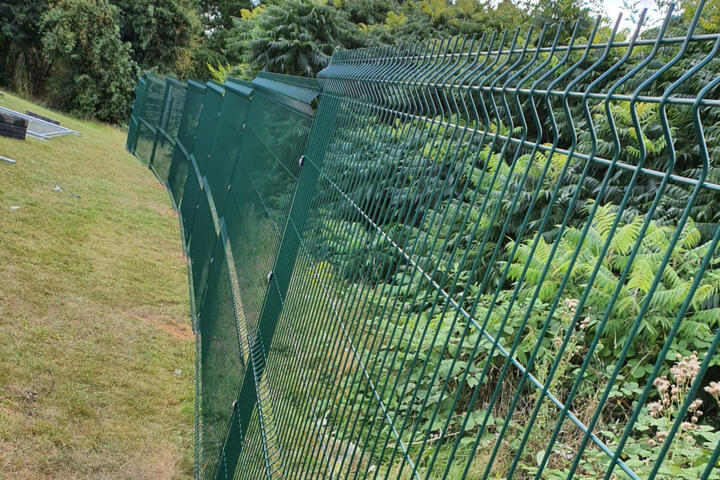
Fencing Choices For Acreage
Large properties tend to punish fencing decisions that look fine on a small lot. A fence line stretches across wind exposure, uneven ground, and vegetation that grows back faster than most people expect. Wood panels can hold up well, yet rot and leaning appear when posts sit in wet soil or when gates are heavy. Wire fencing can be durable, but it depends on correct tension, brace construction, and the right mesh for the animal. Electric fencing can stop animals with a learned boundary, but it depends on grounding, vegetation control, and consistent energizer output.
Practical examples help: a 40-acre pasture with brushy edges often needs a plan for clearing and trimming along the line, because grass touching hot wires can reduce effectiveness. A property with deer pressure may need a fence height and spacing that matches typical deer behavior, not just a “tall enough” guess. A corner lot with frequent wind gusts can fail early if braces are undersized, even when the wire gauge looks adequate. I’ve seen (and frankly, most people skip) a simple step: walk the line after rain and note where water collects, because those spots drive post failure for wood and loosened footings for wire.
Common Planning Mistakes
People often underestimate how many dependencies sit behind a fence. For wood, post depth, soil moisture, and the type of wood treatment matter as much as the board thickness. For wire, fence strength comes from the whole system: line posts, braces, tensioning method, and how gates connect to the rest of the run. For electric, the energizer rating alone does not predict performance; grounding quality and vegetation contact dominate outcomes.
Another frequent error is mixing “fence height” with “animal barrier.” Animals test fences at specific points: noses at lower rails, hooves at gaps, and shoulders at corners. If a fence has a weak corner, animals often find it first. Ground conditions also change the story. Uneven terrain can create bottom gaps under wire, and those gaps can be wide enough for smaller animals even when the fence looks continuous from a distance.
Supporting technologies also matter. Electric fencing uses an energizer, insulators, high-tensile wire or polywire, and a grounding system. Wire fencing relies on tension and brace geometry, plus hardware like tensioners and staples that don’t loosen. Wood fencing depends on fasteners that resist corrosion and on gate hardware that handles repeated loads. If you plan to add a second fence later, the spacing and grounding approach for electric becomes a separate design problem, not an afterthought.
Solutions And Practical Advice
Measure, Mark, Then Budget
Start with a site walk and a simple measurement set: total linear feet, corner counts, gate locations, and the lowest and highest points along the line. Take photos of problem areas like wet spots, steep slopes, and existing vegetation. For electric, plan a vegetation management strip wide enough to keep contact off the hot conductor; many failures trace back to grass growth that bridges the wire to ground. If you’re working with a contractor, ask for a written materials list tied to your measurements, because “per acre” estimates hide the cost of corners and gates.
As a rough planning habit, separate your budget into three buckets: line materials, corner/bracing materials, and access points (gates and walk-through doors). Corners often cost more than people expect because they require bracing and stronger posts. I once compared two quotes for the same acreage; the difference came almost entirely from how each contractor treated corners and gate hardware, not from the fence material itself. That detail shows up again and again when you price a long run.
Wood Fencing: Where It Wins
Wood works well when you need a solid visual barrier and you can manage moisture exposure. Post setting depth and drainage drive longevity. Use treated posts rated for ground contact, and match the fasteners to the environment; galvanized hardware tends to resist corrosion better than plain steel in many rural settings. For heavy gates, plan for reinforced framing so the gate doesn’t rack and pull the fence line out of alignment.
Maintenance is part of the cost. Expect periodic inspections for leaning posts, loose rails, and damaged boards after storms. In windy areas, add bracing at corners and along long runs, because wood panels act like sails. If you’re fencing livestock that rub or push, reinforce the lower section and check for gaps that animals can exploit. A fence that looks straight during installation can become uneven after a wet season, and that’s when animals start testing it.
Wire Fencing: Build the System
Wire fencing performance depends on mesh type, wire gauge, and the brace/tension design. High-tensile wire with proper tensioning can resist sag, but tensioners and end assemblies must be installed correctly. Line posts should be spaced to match the load and terrain; too-wide spacing can cause bowing that animals can climb or squeeze through. For corners, brace posts and hardware should be sized for the total pull of the wire run, not just for the look of the corner.
Weeds and debris also matter. Vegetation can snag and loosen wire, and it can hide small gaps at the bottom. A practical approach is to plan a maintenance schedule: walk the line after heavy storms and after the first major growth season. If you use barbed wire, confirm local rules and animal compatibility, since barbed wire can injure people and animals if installed or maintained poorly. Many landowners prefer smooth wire or woven mesh for areas with frequent human access.
Electric Fencing: Power and Ground
Electric fencing works when the energizer delivers a pulse and the grounding system provides a low-resistance path. Ground rods must be installed correctly and at appropriate spacing for the soil conditions. Vegetation contact reduces effectiveness by shunting the pulse, so you need a trimming plan along the hot conductor line. Insulators must be rated for outdoor use and kept free of dirt films that can create leakage paths.
Choose an energizer sized for your fence length and the type of fence wire used. Many energizer manuals include a maximum fence length under specific conditions; those numbers assume certain vegetation and grounding quality. If your property has rocky soil or sandy soil, grounding performance can differ, and you may need additional ground rods or a different grounding layout. I’ve seen energizer labels like “12V” or “110V” confuse buyers; the voltage rating doesn’t replace the need to match the energizer’s output and grounding design to your setup.
Electric fencing also needs a safety plan. Use warning signs where required by local practice, keep energizer wiring protected from weather, and avoid routing wires where people or pets can tangle. If you’re near public roads or shared driveways, check local ordinances and utility easements before you mount equipment.
Case Examples From Real Land
Deer Pressure With Wet Corners
A landowner with 25 acres reported deer pressure near a creek crossing and at two corners where water pooled after rain. The original plan used wood panels with shallow post setting. After a wet season, posts leaned and gaps formed at the bottom, and deer began testing the weakened corners first. The revised plan kept wood for the most visible sections but rebuilt corners with deeper, properly treated posts and added bracing. The landowner also cleared a narrow vegetation strip along the line to reduce moisture retention around post bases.
Mixed Livestock and Brushy Edges
A family managing a 60-acre mix of pasture and brushy edges wanted a boundary that could handle seasonal movement. They installed woven wire for the main perimeter sections and added an electric hot wire line along the brushiest boundary where animals tended to push through. The electric section worked best after they scheduled trimming twice during the growing season and improved grounding with additional rods in the lowest spots. The woven wire reduced the need for frequent repairs, while the electric line reduced the chance of animals reaching the brush edge.
Wood Vs Wire Vs Electric
| Factor | Wood | Wire | Electric |
|---|---|---|---|
| Best Fit | Solid barrier, visual screening | Durable perimeter with correct bracing | Boundary training with vegetation control |
| Primary Failure Mode | Rot/leaning posts, gate racking | Sag, loose tension, weak corners | Poor grounding, vegetation contact |
| Maintenance Pattern | Board and post inspections after storms | Tension checks and vegetation clearing | Trim schedule plus energizer/ground checks |
| Upfront Planning | Post depth, fasteners, gate loads | Brace design, tensioning, mesh choice | Energizer sizing, grounding layout, insulators |
Use this checklist to reduce guesswork. Measure the line, then decide what you can maintain. If you can’t trim vegetation on a schedule, electric performance often drops. If you can’t inspect after storms, wire tension and wood alignment can drift. If you need frequent human access, smooth wire or solid sections may reduce injury risk compared with barbed wire.
- Walk the perimeter after rain and mark wet or low spots.
- Count corners and gates, then price bracing and hardware separately.
- Match fence type to the animal behavior you expect (push-through vs climb vs squeeze).
- For electric, plan a trimming strip and a grounding plan before buying an energizer.
- For wood, plan post depth and gate reinforcement, not just board selection.
- For wire, plan braces and tensioning hardware, not just mesh rolls.
Common Mistakes To Avoid
One mistake is buying materials first and measuring later. A long run with many corners can turn a “cheap per roll” purchase into a costly project once you add braces, end assemblies, and gate framing. Another mistake is ignoring soil conditions. Wood posts fail faster in consistently wet soil, and wire line posts loosen when footings sit in soft ground without proper setting.
Electric fencing mistakes often come from skipping the grounding plan. People may install an energizer and a hot wire but use too few ground rods or place them where soil stays dry. Manuals typically describe grounding requirements, and those requirements vary by soil type and fence length. Vegetation contact is another recurring issue; grass that touches the hot conductor can reduce the pulse reaching the animal, and it rarely fixes itself without trimming.
Finally, many projects fail at access points. Gates concentrate stress and create gaps if hinges and latches aren’t aligned with the fence line. A fence can be strong along the perimeter and still fail at a gate if the latch leaves a gap wide enough for the target animal. If you’re troubleshooting, start at corners and gates, because those are where most systems show their first weakness.
FAQ
How Do I Choose Fence Height?
Match height and spacing to the animal type and typical behavior in your area. Deer often test lower gaps and corners, while smaller animals exploit bottom openings, so measure and correct bottom clearance along uneven ground.
What Energizer Rating Matters?
Use the energizer’s published fence-length guidance from the manufacturer’s manual and match it to your fence type and conditions. Grounding quality and vegetation contact can reduce performance even when the energizer label looks adequate.
How Often Should I Inspect?
After storms and during seasonal growth, inspect corners, gates, and any low spots where water collects. For electric fencing, check the system on a routine schedule and after trimming, because changes in vegetation can alter leakage paths.
Can I Mix Electric With Wire?
Yes, mixed systems are common when you want a physical barrier plus a trained boundary line. Keep conductor spacing and insulators consistent with the manufacturer’s instructions and plan a trimming strip so the electric conductor stays off vegetation.
Do Local Rules Affect Fencing?
Many jurisdictions regulate fence placement near property lines, roads, and easements, and some restrict electric fencing signage or placement. Check your local zoning or county records before installing, especially for long perimeter runs.
Author's Insight
Fence performance comes from the full assembly, not the material label. Wood longevity depends on post setting, moisture exposure, and gate loads; wire strength depends on bracing, tension, and corner geometry; electric effectiveness depends on grounding and vegetation control. When planning a large acreage fence, I recommend separating line costs from corner and gate costs because those components drive most surprises. If you want a practical starting point, draft a simple line map with corner counts and low spots, then match each fence type to the failure mode you’re most likely to face.
Key Takeaways
- Wood, wire, and electric fencing each fail in predictable ways tied to soil, corners, gates, and vegetation.
- Measure linear feet, corner counts, and gate locations before buying materials; price bracing and access hardware separately.
- Electric fencing needs grounding and trimming discipline; energizer labels do not replace those requirements.
- Wire fencing needs correct tensioning and brace construction; sag and loose corners create the first openings.
- Wood fencing needs proper post depth and gate reinforcement; wet soil and storm loads drive early leaning.