Solar Setup Basics
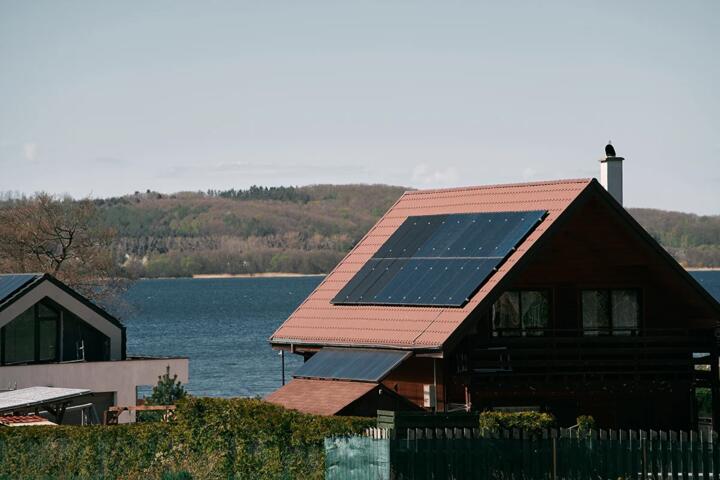
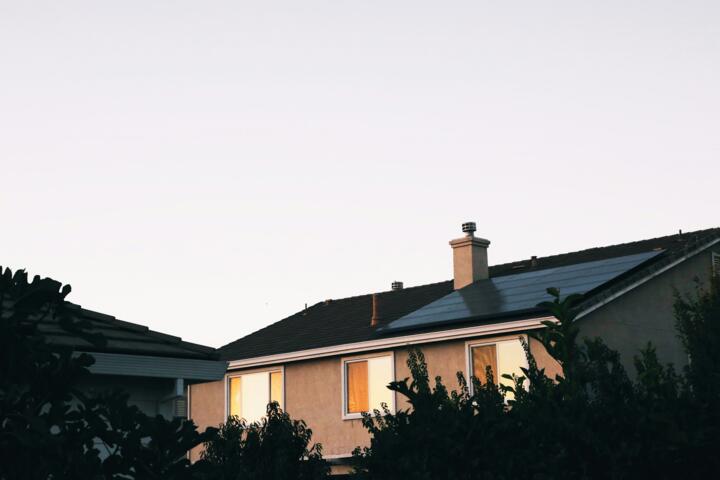
Solar energy systems appear in two main setups: ground-mounted and roof-mounted arrays. Ground-mounted panels sit on open land, often on adjustable racks to optimize sun exposure, while roof-mounted ones attach directly to building rooftops. By 2023, the U.S. Solar Energy Industries Association reported that 63% of residential solar installations are roof-mounted, driven mainly by limited space in urban areas.
For example, a suburban home with south-facing roof sections about 1,000 square feet might host 20–25 panels on its sloped surface. Conversely, a commercial farm with several acres may prefer 100 kW ground systems which allow seasonal tilt adjustments to capture better sunlight across the year.
These configurations offer unique pros and cons based on location, budget, and project scale.
Common Misjudgments
Many projects default to roof mounting without checking site conditions thoroughly. This can lead to less-than-ideal panel placements that reduce output or accelerate wear. Some underestimate shading from trees or nearby structures because photos don’t show shadows changing in summer or winter.
Ignoring maintenance access ranks high among errors. Ground systems generally allow easier panel cleaning and repairs, while roof arrays often require costly professional service or special safety gear. Not considering local zoning laws and permits for ground mounts also trips up installers and owners, delaying projects or increasing expenses.
Overestimating roof load capacity without structural assessment leads to installation issues or mandates costly reinforcement. Lastly, some expect ground mounts cost less simply due to land availability, but foundation and wiring costs can offset early saving estimates.
Choosing Your Solar Solution
Evaluate Sun Exposure
Analyze your site’s sun path over several months. Tools like PVWatts Calculator by NREL provide hourly solar radiation estimates for ground and rooftop positions. Optimal orientation near true south with minimal shade yields about 15-20% more annual kWh than less ideal angles, impacting system size and cost.
Assess Structural Integrity
Hire a licensed engineer or experienced installer to inspect roof structure. For example, asphalt shingles and corrugated metal roofs handle panel loads differently, influencing mounting method choices. If the roof can’t support panels without modification, ground mounting may be safer and more cost-effective.
Calculate Installation Costs
Ground systems cost $1,000–$2,000 more per kW in equipment and labor due to foundations, trenching, and wiring. Roof mounts, especially on complex or steep roofs, can inflate labor costs by around 15% over simple ground setups. Long-run maintenance should factor into installation budget calculations.
Check Regulatory Restrictions
Local zoning and HOA guidelines sometimes restrict ground solar placement, especially near property lines or in conservation areas. Verify with municipal planning offices before investing. Roof permits mostly involve electrical and building codes, generally easier to secure.
Plan for Maintenance
Ground panels allow easy inspection, cleaning, and quick repairs saving operational time and reducing downtime. Roof access depends on height and slope; repeat visits incur higher labor fees. Use remote monitoring systems to catch issues early regardless of mounting type.
Optimize Panel Technology
PV panel models with PERC cells tend toward better shading tolerance, useful on rooftops with partial shadows. Bifacial panels excel on ground mounts when reflective ground surfaces boost rear side absorption, increasing output by up to 10% in ideal setups.
Use Tracking Systems
Ground-mounted trackers tilt panels dynamically to follow the sun, pushing up energy yield by 25-35% vs. fixed mounts. Roof-tracking arrays exist but add complexity and risk to building integrity, and rarely justify costs in residential settings.
Calculate ROI Realistically
With current incentives, median payback for residential roof solar is around 7-9 years, depending on electricity rates. Ground systems require a longer horizon due to upfront costs, but commercial-scale operations see quicker returns, especially with tracking and performance optimizations.
Waste Management Strategies
Consider end-of-life recycling or panel disposal. Roof panels often integrate into building appraisal, tricky to replace or recycle. Ground systems offer simpler upgrade or removal, beneficial for technology refresh cycles.
Real-World Examples
A 120 kW farm in Iowa installed ground panels with single-axis trackers in 2022. Initially, the owner hesitated due to higher costs but gained extra 30% annual output. This produced around 180,000 kWh per year, cutting grid reliance dramatically.
Meanwhile, a California homeowner chose roof-mounted panels on a 900 square foot sun-facing roof despite some shading from a nearby pine. The 6 kW system yielded around 9,400 kWh annually, offsetting 75% of house electricity, with minimal installation disruption.
Decision Factors Table
| Aspect | Ground-Mounted | Roof-Mounted | Notes |
|---|---|---|---|
| Installation Cost | $3,000-$4,000/kW | $2,000-$3,000/kW | Higher labor & site prep on ground |
| Energy Output | Up to 35% higher (with tracking) | Base level, shading sensitive | Trackers boost ground yield |
| Maintenance | Easy access, lower cost | Hard access, higher cost | Safety gear needed for roofs |
| Space Needed | Requires open land area | Roof footprint limits size | Roof size caps kW capacity |
| Permits | Zoning can be restrictive | Building/electrical permits only | Ground needs zoning checks |
Avoiding Installation Errors
Do not skip site-specific solar analysis. Shadow maps override satellite images for true exposure. Avoid cheap mounting racks lacking wind rating; they fail fast in storms. Never ignore manufacturer panel specifications about roof load and weight. Verify your installer’s credentials and warranties. Regularly check system performance—software alerts beat waiting for manual inspection. Neglecting maintenance shrinks output—between 10% to 25% loss happens without seasonal cleaning, especially in dusty environments.
FAQ
Can roof solar panels be installed on flat roofs?
Yes, flat roofs often use tilted racks to angle panels toward the sun. This setup improves efficiency but may require ballast or penetrative mounts depending on roof type.
Are ground-mounted panels better in snowy regions?
Ground mounts simplify snow removal and allow adjustable tilt to shed snow. Roof panels risk snow load issues unless reinforced.
What is the typical lifespan difference?
Panels last 25-30 years regardless of mounting, but ground mounts may face more weather exposure, potentially shortening balance-of-system hardware lifespan.
Do ground-mounted systems increase property value?
Yes, many appraisals incorporate renewable energy systems positively, but zoning compliance must be documented for accurate valuation, particularly for ground arrays.
Is it possible to combine both types on one site?
Combining sun-facing roof panels with ground units can maximize generation on limited or awkwardly shaped sites, common in mixed-use properties.
Author's Insight
From years of rooftop installs and now managing large ground arrays, I've learned the best system fits the land, not just the budget. A client's 2019 warehouse project taught me that ignoring structural details wastes time and money. Small tweaks in tilt angle and maintenance planning yield consistent power gains. Use software like Helioscope before ordering anything. Plus, always plan for access—panels might need cleaning after a storm.
Summary
Select your panel placement based on detailed site evaluation, cost projections, and maintenance plans. Roof mounts suit urban or constrained sites; ground mounts serve larger or rural areas, especially with high-tech trackers enhancing yield. Verify permits early, assess structural needs thoroughly, and anticipate upkeep to avoid surprises. Thoughtful preparation pays off with better performance and a more satisfying solar investment.