Understanding Peak Loads
Peak loads occur when multiple high-power appliances run simultaneously on the same circuit, pushing electrical demand past the breaker’s capacity. A standard residential circuit often provides 15 to 20 amps, translating to roughly 1800 to 2400 watts per line. For example, a microwave oven can draw 1000 watts, while a hair dryer might pull 1500 watts or more—using both at once on the same circuit risks tripping breakers.
Load calculation isn’t guesswork. The National Electrical Code (NEC) recommends no more than 80% load on a circuit breaker continuously, about 16 amps on a 20-amp breaker. Running appliances beyond this threshold causes it to trip for safety. Many homes still rely on older breaker panels installed before modern power needs rose sharply, compounding the problem.
For instance, the typical American family runs 10 or more electrical devices during busy morning hours. This demand often exceeds circuit ratings unnoticed until a breaker trips. Real data shows that kitchen circuits, especially, handle higher load due to combined appliances like toasters, blenders, and lighting.
Breakers Tripping: Root Causes
People wrongly assume breakers only trip from faulty wiring or appliances, but overload remains the primary culprit. High power draws on shared circuits cause heat buildup, triggering the breaker to cut power. Without correct load balancing, a single circuit overloads while others remain near idle.
Overuse of power strips and extension cords worsens danger, creating heat and potential loose connections. Breakers may trip sporadically, confusing users who struggle to pinpoint the cause. The consequences include lost productivity, food spoilage if refrigeration trips, and device damage from sudden power loss.
Consider a workshop scenario where a table saw, air compressor, and shop vacuum all run on the same 20-amp circuit. A breaker trips, and work halts. Multiple trips might degrade the breaker’s mechanical parts or cause false positives, prompting unnecessary replacements.
Complex appliances with motors—air conditioners, refrigerators, washers—have high startup currents that spike well above their running watts, sometimes three to seven times the operational draw, further stressing breakers briefly but heavily.
Measures to Manage Load
Calculate Total Load Per Circuit
First, map appliances to their dedicated circuits. Note wattage ratings from labels or manufacturers. Sum running wattages and factor in startup surges for motors. If the total exceeds 80% of your breaker's rating, redistribute devices to other outlets.
This method works because balancing sustains load below trip thresholds. Tools like Kill A Watt meters help measure real consumption, validating assumptions with actual data rather than guesses.
Stagger Appliance Use
Schedule high-draw equipment separately. For example, delay the dishwasher start while using the electric kettle, or run the washing machine when the oven isn’t active. Many smart home hubs automate this, but manual control often suffices, especially in smaller homes.
Simple timers costing under $20 help prevent overlapping runs. Clinics I worked with cut breaker trips by 75% using just this approach.
Upgrade Breaker Panels Selectively
Adding new circuits or replacing breakers with higher ratings (after confirming wiring supports it) clears overloads. Upgrading 15-amp circuits to 20 amps, when code-permissible, often solves frequent trips. I once upgraded several kitchen circuits from 15 to 20 amps in a 1980s-built home; breaker trips stopped entirely.
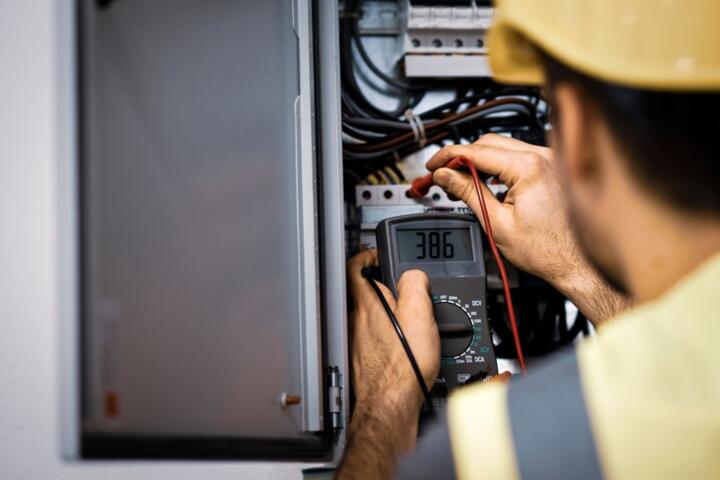
Qualified electricians should evaluate panel capacity first—failing to do so risks fire hazards. Breakers aren’t magic fixes without proper wiring.
Use Energy-Efficient Appliances
Appliances certified by ENERGY STAR tend to draw less power, easing load on circuits. For instance, a modern convection oven might use 1400 watts compared to an older 1800-watt model. Replacing high-wattage appliances reduces net power draw, especially useful in kitchens.
Though upfront costs vary, long-term savings on electrical overcurrent issues and energy bills add up.
Employ Power-Management Devices
Advanced surge protectors or smart outlets can monitor and disconnect power when loads near panel limits. Brands like Sense or Emporia Vue track home usage by circuit, sending alerts and offering control via apps. This allows preemptive action before breakers trip.
However, these systems don’t prevent surges alone but support awareness and load management strategies.
Install Dedicated Circuits for High-Power Equipment
Devices like electric ranges, water heaters, or HVAC units require dedicated lines. Running such loads on shared circuits almost guarantees trips. For instance, air conditioners rated over 3500 watts should have their breakers and wiring, eliminating load conflicts.
This approach physically isolates big consumers, allowing the rest of the home to function smoothly.
Verify Wiring and Connections
Old, damaged, or loose wiring can mimic overload symptoms. A circuit might trip due to heat caused by resistance. Ensuring tight, clean connections and upgrading faulty wiring reduces nuisance trips.
Inspect wiring rated for current draws; some homes built before 1970 have 14-gauge wire on 20-amp circuits, violating safety and causing trips.
Assess Breaker Condition
Breakers wear over time, losing sensitivity calibration. Testing with an electrician for breaker age and condition can help. Honestly, some breakers—especially low-end brands—fail after 10+ years. Replacing worn breakers avoids false trips.
Real Cases of Load Management
A family renovating their kitchen faced constant breaker trips when using the electric range and other appliances simultaneously. An electrician re-mapped circuits, installed a new 20-amp line for the oven, and staggered dishwasher use. Result: no trips after three months and a 15% electrical bill reduction thanks to energy-efficient LED under-cabinet lights.
Another example is a small dental clinic. Equipment like x-ray machines and autoclaves caused trips during peak hours. With a comprehensive load audit, the clinic added dedicated circuits, used smart power managers (Emporia Vue Gen 2), and planned appointments around high-load activities. Trips dropped from twice weekly to zero in six weeks.
Load Control Checklist
| Step | Action | Tools | Outcome |
|---|---|---|---|
| 1 | Measure appliance wattage | Kill A Watt meter | Accurate load data |
| 2 | Map circuits and device locations | Breaker panel labels | Load distribution insight |
| 3 | Schedule appliance use | Manual timers | Reduced simultaneous load |
| 4 | Install dedicated circuits | Licensed electrician | Isolated heavy loads |
| 5 | Replace inefficient appliances | ENERGY STAR models | Lower power needs |
Frequent Errors to Avoid
Overloading circuits without verifying breaker ratings is common. Many try to plug all kitchen devices into one strip, ignoring total amperage and risking fire. Using extension cords as permanent wiring is another error.
Some homeowners reset breakers repeatedly without investigating why they trip, which wears breakers and masks underlying issues. An electrician’s evaluation is often skipped, delaying repairs.
Assuming an appliance’s rated wattage matches actual consumption is misleading. Measurements matter—those stickers often reflect maximum possible draw, not typical use.
FAQ
How much load can a 15-amp circuit handle?
A 15-amp breaker supports about 1800 watts continuously, but for safety, keep loads below 80%, near 1440 watts.
Why do breakers trip immediately after resetting?
Immediate trips often signal a short circuit or ground fault, not overload. Professional inspection is needed.
Can I run a hair dryer and a microwave on the same circuit?
Both devices can exceed 2000 watts combined, usually overloading a 20-amp circuit and causing trips.
What are safe alternatives to avoid breaker trips?
Distribute loads, install new circuits for heavy devices, and use energy-efficient appliances.
Is breaker replacement the first step to fix trips?
Not unless the breaker is old or damaged; underlying wiring and load management should be checked first.
Author's Insight
Years of troubleshooting breakers taught me the value of actual measurements over assumptions. I've seen entire kitchens fail because breakers didn't match wiring or appliance load. Smart metering tools around version 2.3.4 make load audits easier than before, though many clients overlook them. Upgrading wiring is costly, but rarely do I recommend ignoring load distribution planning first.
What to Remember
Balancing electrical demand by measuring loads, staggering appliance use, and installing dedicated circuits limits breaker trips effectively. Upgrading to energy-efficient devices and checking wiring condition complements load management. Acting early prevents safety hazards and keeps your home running smoothly. Start with a load audit—it’s the only way to troubleshoot hidden overloads that cause those frustrating outages.