Off-Grid Vs Backup Power
Off-grid power is designed to run a home as a primary electricity source when the utility grid is absent or intentionally not used. Backup power is designed to run selected loads during outages while the grid remains the normal source. The difference shows up in system design: off-grid systems size generation and storage for long stretches, while backup systems size for short interruptions and quick restoration.
In practical terms, an off-grid setup often includes solar panels or a wind source plus battery storage, with a generator as a secondary option for cloudy or low-wind periods. A backup setup often includes a battery inverter or a small generator plus a transfer switch, sized around the loads you want to keep running during a blackout. If you’ve ever watched a refrigerator cycle off for hours, you already understand why runtime targets matter.
One small detail changes expectations: a “battery backup” that can run a router and a few lights for 2–4 hours is not the same category as a system that can run a well pump, a fridge, and some cooking loads through a multi-day outage. The labels sound similar, but the energy math and the control logic differ.
Common Misunderstandings
People often mix up goals, then buy the wrong hardware. Off-grid systems are planned around energy production and storage over time, while backup systems are planned around outage duration and load selection. That mismatch leads to short runtimes, frequent generator starts, or batteries that age faster than expected.
Another frequent error involves transfer behavior. Backup systems typically use a transfer switch or an inverter that can “island” from the grid, then reconnect when utility power returns. Off-grid systems usually operate in a standalone mode by default, so the grid is either absent or treated as an optional charging source. If you assume the same wiring and controls work for both, you can end up with unsafe backfeeding risks or nuisance trips.
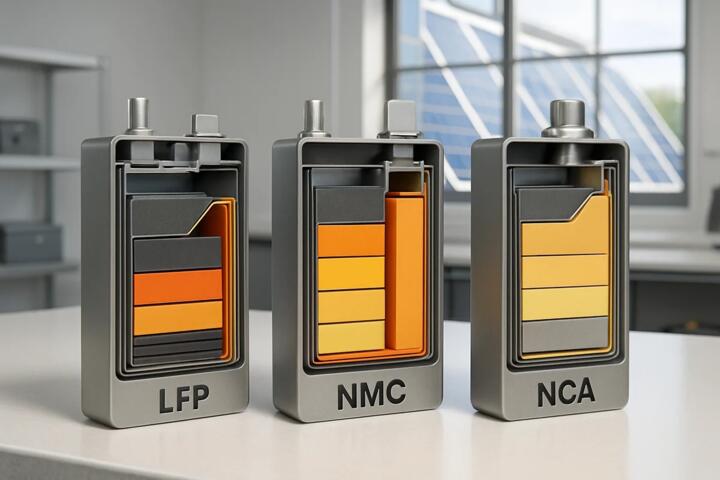
Battery chemistry and inverter limits also get overlooked. Lithium iron phosphate (LiFePO4) batteries often tolerate deeper cycling better than older lead-acid designs, but both still have usable capacity limits tied to battery management systems. Inverters have surge limits for motors like refrigerators and well pumps; a system that “meets watts” on paper can still fail when a compressor starts.
Fuel planning is another dependency. A generator-based backup system depends on fuel storage, maintenance, and the ability to start under load. Many generator failures during real outages trace back to stale fuel, clogged filters, or batteries that can’t crank the engine reliably.
Even the wiring matters. Long cable runs, undersized breakers, or incorrect grounding can cause voltage drop, overheating, or inverter shutdown. The control software version can matter too; some inverter firmware releases change how quickly they respond to grid events, and installers sometimes forget to record the version (I’ve seen this come up during troubleshooting with firmware labeled “v2.3.x” on a service report dated 2024-11).
How To Choose The Right Setup
Define Runtime And Loads
Start by listing the loads you want during an outage, then estimate how long you need them. A typical backup target might be 4–24 hours for critical items like refrigeration, internet, medical devices, and a few lights. An off-grid target often aims for days or seasons, which requires more generation and storage than most people expect.
Use nameplate ratings and real usage patterns. A refrigerator may draw a few hundred watts briefly during compressor start, then much less while running. A well pump can have a high starting surge, so you may need an inverter with a higher surge rating or a strategy that delays pump starts. If you’re planning around a sump pump, the duty cycle and start frequency change the sizing.
For a realistic outcome, treat “watts” as a starting point and “watt-hours” as the sizing target. If your critical loads average 600 W for 12 hours, that’s about 7,200 Wh (7.2 kWh) of energy before accounting for inverter losses and battery usable capacity. Many systems also reserve headroom to reduce stress on batteries.
Size Batteries And Inverters
Backup systems often use smaller battery banks because the outage window is shorter. Off-grid systems usually require larger storage to cover periods when generation is low. Battery sizing also depends on depth of discharge limits set by the battery management system, plus temperature effects that can reduce usable capacity.
Inverter sizing must cover both continuous power and surge power. Look for surge ratings that match motor loads, and confirm whether the inverter can handle simultaneous starts. If you run a microwave and a refrigerator at the same time, the combined surge can exceed what the inverter tolerates even if the average load stays within limits.
A practical method is to ask for a load profile and a start-up scenario. For example, “fridge compressor starts while the well pump is off, then the pump starts 30 seconds later” is a more honest test than “everything runs at steady state.” Installers sometimes model only steady-state loads, which can be mildly frustrating when you later discover the surge problem.
Plan Transfer And Safety
Backup power needs a safe transfer method so loads do not feed back into the grid. Common approaches include a listed transfer switch or an inverter/charger with grid-interactive controls that can island safely. The exact method depends on local electrical codes and the equipment model.
Off-grid systems usually include a dedicated main distribution panel and islanded operation logic, with the grid either disconnected or treated as a separate source. If you want the ability to switch between grid and off-grid operation, you’ll need controls designed for that mode, not a manual “it seems to work” approach.
Check for compliance with relevant standards such as UL 1008 (transfer switches) and UL 1741 (inverters and interconnection). Local jurisdictions may also require permits and inspections. If you’re in the US, the National Electrical Code (NEC) governs many installation details, including wiring methods and overcurrent protection.
Match Generation To The Goal
Off-grid generation is usually sized around seasonal energy needs, not just peak sunshine. Solar output drops with winter conditions, shading, and panel tilt, so off-grid systems often include either more panels, more batteries, or a generator for extended low-generation periods. A backup generator can be smaller because it runs only during outages, but it still needs enough runtime for your target duration.
For backup systems, battery-first strategies reduce generator runtime by covering the first minutes to hours of an outage. This can reduce fuel use and noise, and it can help avoid generator starts for short blips. Some systems also support “load shedding,” turning off non-critical circuits to keep critical loads running longer.
Fuel and maintenance planning should be written down. If you store gasoline, diesel, or propane, track storage time, rotation schedules, and filter replacement intervals. A generator that sat for months can fail to start, and the failure often shows up under load rather than during a no-load test.
Case Examples For Planning
Example 1: Backup For A Suburban Home
A household wants to keep the refrigerator, Wi‑Fi router, and a few lights running during outages. They choose a battery inverter system sized for about 8–10 kWh usable energy, with a transfer switch that isolates critical circuits. They also add a small generator sized for the refrigerator and well pump surge, but they plan to run the generator only after the battery drops below a set threshold.
In practice, they discover that the well pump’s surge rating is the limiting factor. The inverter can handle the refrigerator’s start, but the pump start requires either a higher surge inverter or a control delay that starts the pump after the compressor cycle settles. After adjusting the load priorities, the system meets the target for typical outages lasting a few hours.
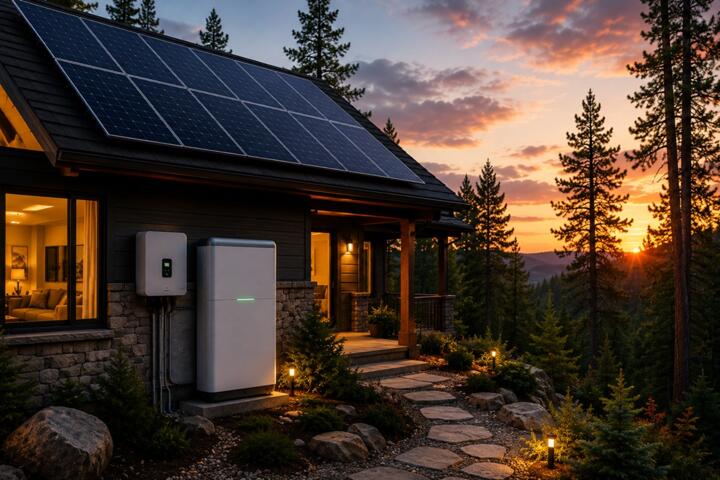
Example 2: Off-Grid For A Remote Cabin
A remote cabin uses solar as the primary source with battery storage sized for multi-day autonomy. The owner targets winter reliability and adds a generator for extended cloudy stretches. The design includes a dedicated off-grid panel and a charge controller/inverter setup that manages battery charging and load supply without relying on the utility grid.
During planning, the owner estimates seasonal solar production and finds that summer energy would be excessive compared with winter needs. They reduce panel oversizing and increase battery capacity instead, accepting that the generator will run during the worst weeks. The cabin’s cooking and water heating loads are also shifted toward times when solar output is highest, which reduces generator runtime.
Comparison Checklist
| Decision Factor | Off-Grid Power | Backup Power | What To Verify |
|---|---|---|---|
| Primary Goal | Run the home without utility power | Cover outages while grid is normal | Your target runtime and which circuits matter |
| Energy Planning | Days to seasons, seasonal generation | Minutes to a day or two | Wh sizing with inverter losses and usable battery % |
| Transfer Behavior | Islanded operation by default | Transfer switch or safe islanding | UL-listed components and grid backfeed prevention |
| Inverter Limits | Surge and continuous loads across seasons | Surge for critical motors during outages | Surge rating and start-up sequencing for motors |
| Generator Role | Backup for low-generation periods | Backup for outage duration beyond battery | Fuel storage, start reliability, maintenance schedule |
| System Complexity | More controls and larger storage | Smaller storage, focused circuits | Monitoring, alarms, and load-shedding logic |
Step-by-step checklist for decision support:
- List critical loads and estimate average watts and start surges for each motor load.
- Choose a runtime target for backup (hours) or off-grid (days and worst-season weeks).
- Convert energy needs into kWh, then apply inverter losses and usable battery limits.
- Confirm inverter surge ratings and whether the system supports load sequencing or shedding.
- Verify transfer/islanding design with listed equipment and local code requirements.
- Plan generator fuel storage and a maintenance schedule that matches your outage expectations.
- Ask for a written commissioning test plan, including motor start tests and transfer tests.
Common Mistakes To Avoid
Buying equipment based on “peak watts” alone is a frequent failure mode. A refrigerator compressor start can exceed the inverter’s surge limit for a short time, causing shutdown or repeated cycling. The fix is to compare surge ratings and test start scenarios, not just continuous power.
Another mistake is treating battery capacity as fully usable. Many systems reserve capacity for battery longevity, and battery management systems limit discharge depth. If you size for 100% of the battery’s nameplate capacity, runtime often falls short.
People also underestimate transfer switch behavior. Some setups transfer quickly, while others introduce a delay that can reset clocks, drop internet connections, or cause nuisance alarms on medical devices. If you rely on sensitive electronics, test them during a controlled outage simulation.
Generator testing gets skipped or done incorrectly. A no-load test might start the engine reliably, but it won’t reveal voltage sag, frequency stability, or fuel starvation under load. A mild frustration point: many owners test only once a year, then discover the battery charger or control board behaves differently after a long storage period.
Finally, avoid mixing components without compatibility checks. Inverters, charge controllers, batteries, and transfer switches often have specific communication or control requirements. When installers mix brands, the system may still work, but the monitoring and safety behaviors can differ from the documentation.
FAQ
How Long Does Backup Power Last?
Battery-only backup commonly lasts from minutes to a day depending on battery capacity and the loads you keep running. Generator-assisted backup can last as long as fuel supply and maintenance allow, with runtime limited by your fuel storage and generator sizing.
Can An Off-Grid System Run During Outages?
An off-grid system already operates islanded, so it can keep loads running during utility outages. If you add grid interconnection later, you need controls designed for safe switching and code-compliant transfer behavior.
Do I Need A Transfer Switch For Backup?
Many backup setups require a transfer switch or an inverter designed for safe islanding to prevent backfeeding into the grid. The exact requirement depends on your equipment and local electrical code, so the safest path is to follow the manufacturer’s installation instructions and local permitting rules.
What Loads Should I Prioritize?
Start with refrigeration, medical devices, internet/communications, and water pumps if you depend on them. High-surge loads like well pumps and some HVAC systems often dictate inverter sizing, so you may need load shedding or delayed starts.
How Do I Size Solar For Off-Grid?
Off-grid solar sizing uses seasonal energy needs, not just summer output. You estimate worst-case generation, then size panels and batteries so the system can cover multi-day low-production periods, with a generator as a planned fallback.
Author's Insight
Off-grid and backup power differ mainly in time horizon and control design. Off-grid systems plan for long stretches without utility power, so battery capacity, inverter surge handling, and seasonal generation matter more than quick transfer speed. Backup systems focus on safe islanding and runtime for selected circuits, so load selection and transfer behavior matter more than full-home autonomy.
When evaluating any proposal, ask for a load list, a runtime target, and a test plan that includes motor start conditions. If the proposal skips surge behavior or usable battery limits, the design often fails under real outage conditions.
For safety and compliance, rely on listed equipment and local code requirements rather than ad-hoc wiring changes. A well-documented commissioning test usually reveals issues early, before the first outage.
Key Takeaways
- Off-grid power targets continuous operation without the utility grid; backup power targets limited outages while the grid remains normal.
- Runtime depends on energy (kWh) and usable battery capacity, not just inverter watts.
- Motor surge and start sequencing often decide whether a system works during real events.
- Transfer/islanding design must prevent backfeeding and match local electrical code requirements.
- Generator reliability depends on fuel storage and maintenance, not only on the generator’s rated output.