What A Composting Toilet Does
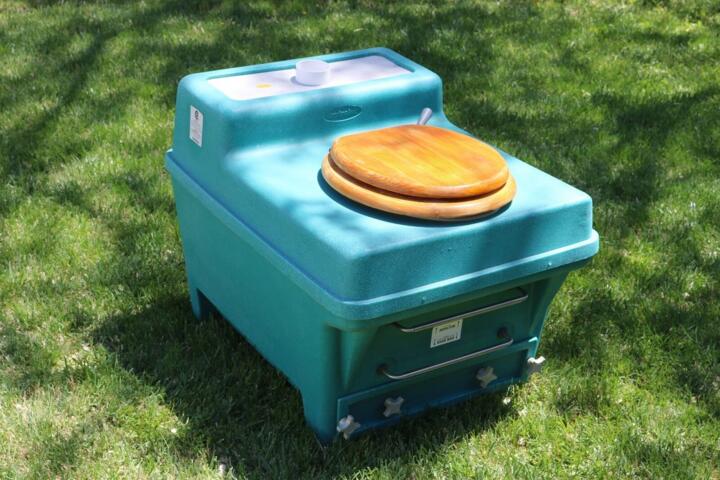
A composting toilet is a toilet system that reduces human waste through biological processes, usually with aerobic conditions and a drying or bulking step. Instead of sending waste to a sewer or septic tank, it moves waste into a sealed or semi-sealed chamber where microbes break down solids over time. Many designs separate liquids and solids, then manage moisture so the chamber stays aerobic rather than anaerobic.
In practice, the system relies on three moving parts: a collection chamber, airflow and ventilation, and a method to control moisture and odor. Some units use a fan and ducting, others rely on passive vents, and many include a “mixing” or agitation mechanism to expose fresh material to oxygen. A typical household setup also includes a urine-diverting seat or a separate liquid path, which changes how quickly solids accumulate and how often you remove the finished material.
For example, a cabin toilet might be installed with a vent pipe that terminates above the roofline, plus a small fan that runs on a timer. The owner adds a bulking material after each use, then periodically checks the chamber level and removes composted solids when the bin reaches a fill mark. If you’ve ever smelled a poorly ventilated trash bin, the odor control logic will feel familiar, except the chamber is designed to keep conditions in a narrower range.
Main Problems And Pain Points
People often assume composting toilets “turn waste into compost” immediately. Most systems require time for breakdown, and the output is not the same as garden compost you’d buy in a bag. The chamber contents usually pass through a maturation period, and the material may still contain pathogens if temperature, moisture, and aeration stay outside the intended range.
Moisture control is the most common failure mode. Too much liquid can push the chamber toward anaerobic conditions, which increases odor and slows decomposition. Too little moisture can slow microbial activity and make solids hard to break down, which leads to clumping and uneven processing. Urine-diverting seats reduce liquid load, but they also require correct use and periodic cleaning of the diverter surfaces, which, frankly, most people skip until something smells.
Ventilation and airflow paths also matter. A fan that runs too little can leave the chamber oxygen-poor, while a fan that runs too much can dry the material excessively and increase dust. Passive systems depend on vent height and temperature differences; if the vent run is short or insulated incorrectly, airflow can stall. Some units use thermometers or moisture indicators, and others rely on user judgment, which creates variability between installations.
Finally, local rules and waste handling responsibilities differ by jurisdiction. In many places, composting toilets are treated differently from septic systems, but they still fall under sanitation and public health requirements. If you plan to use the output on land, you need to check whether your area restricts application methods, storage duration, or contact with edible crops. The rules can be specific enough that a general “it’s legal” answer won’t hold up.
Solutions And Advice
Choose The Right System Design
Start by matching the toilet design to your use pattern. For frequent household use, look for systems with reliable airflow control, clear fill-level guidance, and a bin size that matches your expected solids accumulation. For seasonal cabins, systems with larger storage capacity and straightforward bin removal can reduce how often you handle contents.
Pay attention to whether the unit is urine-diverting, how it handles liquids, and whether it includes a mixing mechanism. Mixing can reduce stratification, but it also adds moving parts that need cleaning and occasional inspection. If you’re comparing models, check whether the manufacturer specifies operating ranges for moisture and airflow, and whether it recommends a particular bulking material type.
As a small aside, I’ve seen owners confuse “composting” with “drying.” A unit that mainly dries without adequate aeration may reduce mass but not achieve the same pathogen reduction as a design that targets aerobic breakdown.
Set Up Venting And Moisture Control
Plan the vent route before installation. A vent that terminates too low can pull odors back into the building, and a vent that runs through unconditioned spaces can condense moisture. Many manufacturers specify vent diameter, fan placement, and duct material; follow those instructions because airflow resistance changes with bends and rough surfaces.
Moisture control usually comes from urine diversion plus a bulking material added after use. Bulking materials commonly include peat moss, coconut coir, or sawdust-based products, but the right choice depends on the unit’s guidance and the chamber’s intended moisture range. If the manufacturer allows multiple options, choose one with consistent particle size and low added chemicals.
Operationally, you can track moisture by observing the texture of the chamber contents during scheduled checks. Some systems include a temperature probe; others rely on user inspection. If you see persistently wet, dark material with strong odor, the system likely needs adjustment—often more bulking, better urine diversion, or a change in fan runtime.
Maintain With A Schedule, Not Guesswork
Maintenance tasks usually include cleaning the seat and diverter, checking fan operation (if present), monitoring the chamber level, and removing finished material at intervals. A realistic cadence for a small household can be monthly checks plus bin removal every several months, but the exact timeline depends on occupancy, diet, and whether urine diversion works as intended.
Use a simple log. Record dates of bulking, fan runtime settings, any odor complaints, and chamber observations. If your unit has a fan controller, note the setting you used; a change from “low” to “high” can shift moisture balance quickly. On one installation I reviewed in a community workshop, the owner had set the controller to a “vacation mode” that reduced fan time, and the chamber turned noticeably wetter within weeks.
When handling contents, use gloves and eye protection, and avoid aerosolizing material. Finished material handling should follow the manufacturer’s instructions and any local sanitation rules. If you plan to store output before land application, store it in a covered, labeled container away from children and pets.
Assess Health Risks And Output Use
Composting toilets reduce waste volume and odor, but they do not automatically make output safe for all uses. Pathogen reduction depends on time, temperature, oxygen availability, and moisture balance. Many systems aim for aerobic conditions, which generally supports faster breakdown than anaerobic processes, yet the chamber may not reach temperatures high enough for reliable pathogen kill in every installation.
Because evidence varies by design and operating conditions, treat the output as potentially contaminated until it meets your local requirements and the manufacturer’s maturation guidance. If your area restricts use on edible crops, follow those limits even if the material looks “finished.” If you have a garden, consider using output only in areas permitted for non-edible landscaping, and keep a buffer from water sources.
Also consider who uses the toilet. Households with immunocompromised members may want stricter handling practices, such as longer maturation times and careful separation of storage and living areas. The safest approach is to follow the manufacturer’s operating targets and your local public health guidance.
Case Examples For Real Setups
Seasonal Cabin With Passive Vent
A family installs a urine-diverting composting toilet in a cabin used on weekends. They choose a unit with passive venting because they prefer fewer electrical components. During the first month, the chamber stays dry enough, but odor appears when the cabin is closed for long stretches, which suggests airflow slows when indoor temperatures drop.
They adjust by adding more bulking after each use and extending the vent height above the roofline to improve draft. They also clean the diverter more often, since residue can reduce urine separation. After these changes, the chamber texture becomes more uniform and odor decreases, though bin removal still occurs on the same schedule because solids accumulation depends on use volume.
Full-Time Home With Fan Control
A couple uses a composting toilet year-round and selects a model with a fan and a mixing mechanism. They set the fan controller to a moderate runtime based on the manufacturer’s chart, then log chamber observations for three months. In week six, the chamber becomes wetter than expected, and the owner notices the bulking supply runs low because the household underestimated how quickly it gets used.
They refill bulking, confirm the diverter is draining correctly, and slightly increase fan runtime for two weeks while monitoring moisture. The chamber returns to a drier, lighter texture, and odor remains mild. When they remove the bin, the output looks more evenly processed than the first removal, which matches the idea that stable operating conditions matter more than one-off adjustments.
Comparison Table And Checklist
Use the table to compare decision points, then follow the checklist during installation and early operation.
| Parameter | Urine-Diverting | Fan-Assisted Vent | Mixing Mechanism |
|---|---|---|---|
| Primary Role | Reduces liquid load | Controls oxygen and odor | Improves uniform breakdown |
| Common Failure | Diverter residue or misuse | Low airflow or condensation | Clumping from uneven moisture |
| Maintenance Load | Seat/diverter cleaning | Fan checks and filter care | Inspection of moving parts |
| Best Fit | Homes and cabins with regular use | Cold climates and long vent runs | Situations with variable use |
Step-by-step checklist for safer early operation:
- Confirm local rules for composting toilet installation and output handling before purchase and before land application.
- Plan the vent route with the fewest bends, correct diameter, and termination above roof level as the manufacturer specifies.
- Set the fan runtime (if present) to the manufacturer’s starting point, then adjust only after observing moisture and odor for at least 2–3 weeks.
- Use the recommended bulking material and keep it dry and consistent; a different product can change moisture behavior.
- Clean diverter surfaces on a schedule, not after odor appears.
- Log chamber observations during the first three months: texture, moisture feel, odor intensity, and fill level.
- Remove bins at the fill mark and follow the manufacturer’s maturation guidance before any land use.
Common Mistakes That Backfire
One frequent mistake is using too little bulking material. Owners often add “a pinch,” then the chamber stays wet, which increases odor and slows breakdown. Another mistake is assuming that a smell means the toilet is “working harder.” Odor usually signals poor oxygen balance or excess moisture, not improved composting.
People also overfill the chamber. When the bin reaches capacity, airflow and mixing become less effective, and the top layer can remain wetter than the bottom. A related error is delaying bin removal until the last possible day, which makes handling messier and increases the chance of spills.
Some households ignore vent maintenance. Dust and condensation can reduce airflow, and a fan that sounds normal can still move less air if ducting is partially blocked. If your unit has a filter, check it on the schedule in the manual; a filter that looks clean can still be clogged with fine dust.
Finally, output handling mistakes can create health and legal problems. Using output on edible crops without meeting local restrictions or manufacturer maturation guidance risks contamination. Storing output in unsealed containers near living areas can also spread odor and attract pests.
FAQ
How Often Do You Empty A Bin?
Emptying frequency depends on occupancy, urine diversion performance, and bulking habits. Many systems require bin removal every few months for small households, but the manufacturer’s fill-level mark and your chamber observations determine the timing.
What Bulking Material Works Best?
Bulking materials commonly include peat moss, coconut coir, and sawdust-based products, but the best choice matches the unit’s instructions. Consistency matters because particle size and moisture retention change how quickly the chamber dries.
Do Composting Toilets Smell?
They can smell if airflow is weak, moisture is high, or the diverter is not separating liquids. Odor should remain mild under correct operation, and a sudden increase usually points to a specific adjustment like more bulking or a vent check.
Is The Output Safe For Gardens?
Output may be restricted by local sanitation rules and depends on maturation time and operating conditions. Treat output as potentially contaminated until it meets the manufacturer’s guidance and any local requirements for the intended use.
Do They Work In Cold Weather?
Many systems work in cold climates, but ventilation and condensation become more challenging. Fan-assisted models and correct vent insulation can reduce condensation, while passive systems may need taller vent runs to maintain draft.
Author's Insight
Composting toilets rely on biological breakdown under controlled moisture and oxygen conditions, so performance depends more on setup and routine checks than on the label “composting.” The most predictable variables are liquid separation, airflow stability, and bulking consistency, which is why manuals often focus on venting dimensions and operating ranges. Evidence on pathogen reduction varies by design and conditions, so output safety claims should be treated as conditional on maturation guidance and local rules. If you plan installation, read the manufacturer’s manual for venting and maintenance schedules and cross-check local sanitation requirements before using output on land.
Key Takeaways
- A composting toilet manages waste in a chamber using aeration and moisture control, not instant conversion to garden compost.
- Urine diversion, venting, and bulking material choices drive odor and processing speed.
- Maintenance works best with a schedule and a log during the first months of use.
- Output handling depends on maturation time and local sanitation rules, not on appearance alone.