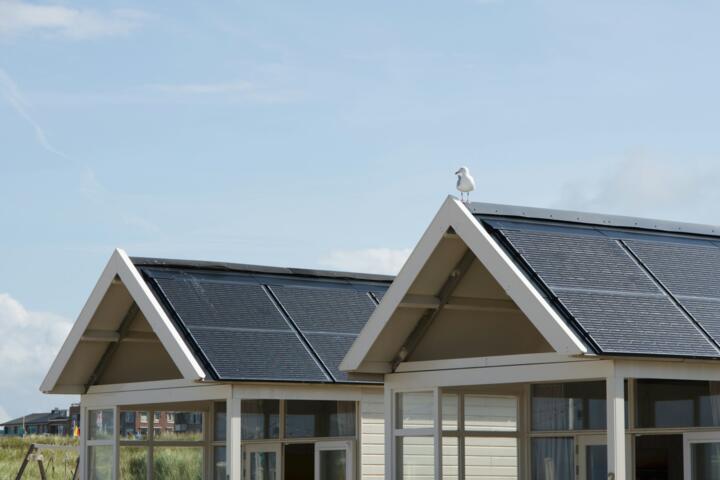
Learning Solar Panel Care
Solar panels need routine cleaning to perform optimally. Dust, bird droppings, pollen, and smog can reduce output by up to 25% if ignored for months. For example, studies in California show a 15% efficiency gain after panels were cleaned thoroughly post-dust storms. Smaller accumulations of grime can block sunlight unevenly, affecting cells differently and creating hot spots.
Panels installed near dusty roads or agricultural fields usually require more frequent cleaning. Sunny climates lead to faster grime bake-on, while rainy areas might see natural rinsing but suffer from harder water stains. Observe your panels regularly, ideally once per quarter.
Common Setbacks Ignored
Many owners assume rain cleans panels enough, which almost never happens. Water spots and film from pollutants can stick. Neglect leads to permanent surface damage from abrasion or corrosion, especially on cheaper panels. Decreased efficiency means lower ROI and longer payback periods.
Some assume all cleaning methods are safe. Incorrect detergents or abrasive tools risk scratching surfaces or damaging seals, voiding warranties. Panels installed at steep angles reduce dirt buildup but sometimes become harder to access safely.
Ignoring scheduled maintenance results in long-term revenue loss for commercial solar farms—studies suggest losses up to $20/kW yearly. Residential systems lose energy silently, unnoticed on bills but still impactful over years.
Effective Care Practices
Choose Cleaning Fluids Wisely
Use deionized or distilled water with mild detergent, never harsh solvents. Soap flakes can leave residue; test on a corner first. Avoid acidic or alkaline cleansers. Some manufacturers, like LG Solar, recommend pure water only. A mix with isopropyl alcohol (around 5%) can help remove grease.
Manual Cleaning Tools
A soft-bristle brush with a long handle works well for roofs. Avoid metal or hard plastic scrapers. Commercial window cleaning brushes with microfiber heads reduce scratching risk. A telescopic pole attachment from Kärcher’s 2023 range fits most setups.
Timing Your Cleaning
Clean early morning or late afternoon to avoid rapid water evaporation, which causes streaking and spots. Avoid cleaning on extremely hot days because rapid drying can stress glass surfaces. Panels dry faster naturally when cleaned at temperatures below 25°C.
Automated Cleaning Systems
Robotic cleaners, like those from Ecoppia, use minimal water and work overnight. These systems cut manpower and ensure frequent cleaning but come with upfront costs of $3,000 to $5,000 for small farms. They pay off in regions with high dust loads or limited water resources.
Check Panel Alignment
Adjust panel tilt to optimize rain runoff and ease cleaning. In flat installations, installing angle brackets to increase tilt from 10° to at least 20° improves pollutant wash-off by 30% according to recent field tests.
Inspect for Damage
Regularly inspect panels for cracks, delamination, or sealant failures. Damaged panels lose efficiency and may cause electrical faults. Use handheld infrared cameras or smartphone add-ons for quick thermal imaging to spot hot spots.
Track Energy Output
Monitor output metrics from your inverter or monitoring apps daily or weekly. A drop of 5% or more often signals a cleaning or repair need. SolarEdge and Enphase offer reliable monitoring platforms with detailed analytics down to individual panel level.
Professional Cleaning
Hiring pros every 1-2 years guarantees safe and thorough cleaning. Some services use demineralized water via pure water-fed poles to avoid residue. Costs range from $100 to $300 per visit depending on system size and location.
Secure Access and Safety
Ensure safety harnesses and ladders for roof cleaning. Never clean panels while wet from rain unless using professional gear. Electrical shock risk increases with moisture and damaged insulation.
Real Panel Care Stories
A mid-sized farm in Arizona experienced a 22% drop in output after six months of dust buildup. After installing a weekly robotic cleaner by Ecoppia in early 2023, output climbed back and stabilized around 98% of rated capacity. Annual yield rose by 8%, translating to an extra $12,000 in revenue per MW installed.
A commercial rooftop installation in Miami faced persistent salt and bird droppings issues. Switching from quarterly manual washes to monthly soft silicone blade cleaning reduced cleaning time by half and helped maintain stable production above 95%. The owner's technician noted ""a definite drop in soiling layers compared to previous seasons, though the equipment cost was a slight headache.""
Cleaning Tactics at a Glance
| Method | Water Use | Cost | Frequency |
|---|---|---|---|
| Manual brushing | Low | Low | Quarterly |
| Robotic cleaner | Minimal | High | Weekly |
| Professional wash | Moderate | Medium | Biannual |
| Rain wash | None | Free | Irregular |
Errors to Dodge
Do not clean panels when hot—heat-expansion causes streak marks. Using hard tools scratches glass, voiding warranties. Never apply pressure cleaners; water jets can force moisture into seals, causing electrical shorts.
Failing to check panel mounting points post-cleaning risks unnoticed damage from wind or loose clamps. Cleaning too rarely allows dirt compaction that resists most cleaning attempts.
Ignoring inverter monitoring data misses early signs of shading or dirt buildup. Tracking is cheap and often done via free smartphone apps connected to your solar inverter.
FAQ
How often should solar panels be cleaned?
Cleaning every 3-6 months suits most climates. Dusty or industrial areas may need monthly cleaning. Monitor output drops to adjust frequency.
Can I use a pressure washer?
Pressure washers risk water penetration and surface damage. Gentle hand cleaning with soft tools remains safest.
What cleaning solutions are safe?
Use distilled water with mild soap. Avoid acidic or abrasive chemicals that damage panels.
Will rain clean my panels?
Rain removes loose dirt but leaves films and stains from pollutants that decrease output.
Do warranties cover panel damage from cleaning?
Many warranties are voided if abrasive tools or harsh chemicals cause damage. Follow manufacturer cleaning guidelines.
Author's Insight
I've cleaned hundreds of panels across various sites over the past decade. Time and again, I've seen avoided cleaning slash yields by at least 15%. A soft brush and distilled water, combined with inverter monitoring, gave me confidence without expensive gear. The frustration? Many skip simple checks until problems grow. Regular care pays off more than the effort invested.
Final Thoughts
Routine cleaning with gentle tools and proper fluids lifts panel efficiency 10-25%. Avoid high-pressure water and harsh chemicals. Track performance online to spot declines early. Make a habit of quarterly inspections and professional cleans every 1-2 years to extend panel life and maximize returns.