48-Hour Power Needs
Preparation for a two-day outage requires a shift in mindset from "powering everything" to "maintaining the essentials." For most households, "essential" means keeping phones charged for emergency alerts, running a few LED lights, and potentially keeping a refrigerator running to prevent the loss of $200+ in groceries.
The average modern refrigerator pulls between 100W and 200W while the compressor is running. Over 48 hours, accounting for cycling, you would need approximately 2.4kWh to 4kWh of capacity just for food preservation. In contrast, charging a smartphone requires only about 0.01kWh. Understanding these scales allows you to size your kit correctly; a small 250Wh power station is a "device charger," while a 2000Wh station is a "life-sustainer."
Emergency Prep Gaps
The most frequent failure in emergency planning is the reliance on single-use alkaline batteries. While a pack of AAs is useful for a flashlight, it cannot sustain modern communication needs. Furthermore, many people purchase a generator but fail to store stabilized fuel, rendering the unit useless during a crisis when gas station pumps (which require electricity) are down.
Another major pain point is the lack of "starting watts" awareness. An appliance like a portable fan or a small fridge might require three times its running power just to start up. If your power station or inverter doesn't have a high enough surge rating, it will trip the internal breaker, leaving you in the dark despite having a "full" battery. This technical oversight is often only discovered when the lights have already gone out.
Power Kit Components
Portable Power Stations (LiFePO4 Technology)
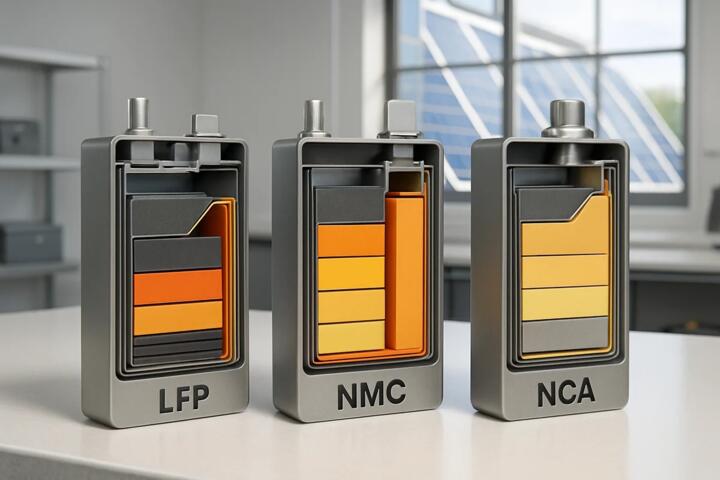
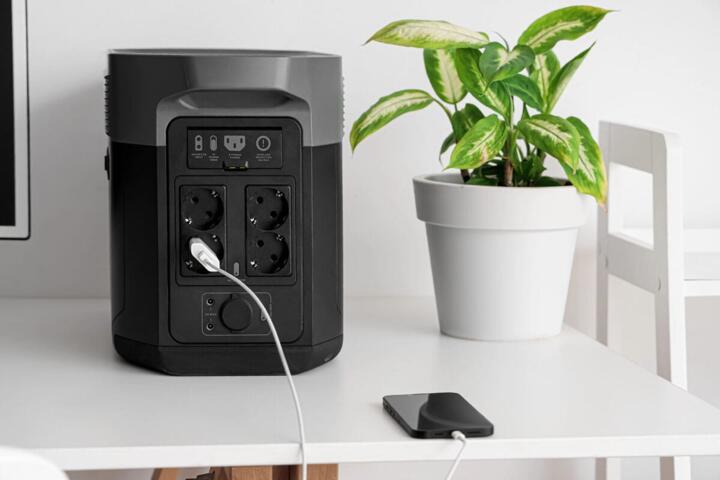
Modern LiFePO4 (Lithium Iron Phosphate) power stations from brands like EcoFlow, Bluetti, or Jackery are the centerpiece of a 48-hour kit. Unlike older lead-acid batteries, these can be discharged to 0% without damage and have a lifespan of over 3,000 cycles. For a 48-hour window, a unit with at least 1000Wh capacity is recommended to cover lighting, communication, and intermittent medical device or fan use.
Portable Solar Arrays for Infinite Run-Time
While a battery is a finite bucket of energy, solar panels are the "faucet." A 100W or 200W foldable solar blanket can replenish a power station during daylight hours. Even in overcast conditions, modern monocrystalline panels can provide enough trickle charge to offset the energy used for phone charging and LED lighting, effectively extending a 48-hour kit into an indefinite one.
Dedicated Emergency Lighting Ecosystem
Do not rely on your phone's flashlight; it drains the most critical battery you have. Instead, use high-efficiency LED lanterns or headlamps from BioLite or Black Diamond. Headlamps are superior for "hands-busy" tasks like checking a breaker box or preparing food. A kit should include one lantern for area lighting and one headlamp per person.
Power Inverters for Vehicle Integration
Your car is essentially a massive generator on wheels. A 300W to 500W pure sine wave inverter that plugs into a 12V outlet (cigarette lighter) can serve as a backup to your backup. This allows you to use the car’s alternator to charge your power station or laptops if your primary battery runs dry. Ensure the engine is running while in use to avoid draining the car's starter battery.
Communication and Information Tools
In a blackout, cellular towers often become congested or fail. An Eton or Midland NOAA Weather Radio with a hand-crank and solar backup ensures you receive updates from the National Weather Service. These devices usually include a USB output, providing a manual "last resort" charging method for your phone.
High-Capacity Power Banks for Mobility
While the large station stays in the living room, small 20,000mAh power banks from Anker should be kept in "Go-Bags." These are essential for maintaining mobility if you need to leave your home. They provide roughly 4-5 full charges for a modern smartphone and are small enough to fit in a jacket pocket.
Survival Scenarios
Case Study 1: The Winter Storm Survival
During a 2021 ice storm, a family used a 1500Wh EcoFlow Delta station to run an electric blanket and a small 15W LED light string. By strictly limiting power to these two items and charging phones only once a day, they maintained warmth and communication for exactly 50 hours without needing a recharge. Their total spend on the kit was approximately $1,200.
Case Study 2: The Urban High-Rise Blackout
An apartment dweller used a 500Wh Jackery station paired with a 100W solar panel propped up in a south-facing window. Although the panel only reached 40% efficiency through the glass, it provided enough energy (about 150Wh per day) to keep their internet router and laptop running, allowing them to work remotely during a localized grid failure.
Power Kit Checklist
| Component | Recommended Spec | Purpose |
|---|---|---|
| Main Station | 1000Wh+ (LiFePO4) | Central hub for appliances |
| Solar Panel | 100W - 200W | Recharging during daylight |
| NOAA Radio | Hand Crank / Solar | Emergency alerts and news |
| Headlamp | 300+ Lumens (USB) | Hands-free navigation |
| Power Bank | 20,000mAh | Mobile device charging |
Common Mistakes
The most dangerous error is using a gas generator indoors or in a garage. Carbon monoxide is odorless and lethal; generators must stay 20 feet away from the home. For apartment dwellers, gas generators are not an option, making "Solar Generators" (battery stations) the only viable solution.
Another mistake is using "Modified Sine Wave" inverters. These are cheaper but can damage sensitive electronics like CPAP machines, high-end laptops, and certain LED bulbs. Always look for Pure Sine Wave labels to ensure the electricity is as clean as what comes out of your wall outlet. Finally, remember to test your kit every 6 months. Lithium batteries lose charge over time and should be kept between 50% and 80% for long-term storage.
FAQ
Can I run a space heater on a portable power station?
Generally, no. A standard space heater pulls 1,500W. Even a large 2,000Wh battery would be drained in less than 90 minutes. For heat, rely on high-quality sleeping bags, blankets, or indoor-safe propane heaters like the Mr. Heater Buddy.
How long does it take to charge a power station via solar?
A 100W panel typically produces about 60-70W in real-world conditions. To charge a 1000Wh battery from empty, it would take approximately 15-18 hours of direct, peak sunlight (roughly 3 days of winter sun).
Will my internet work during a blackout?
If you power your modem and router with a battery, your Wi-Fi will work as long as the ISP’s local node has its own backup power. In many urban areas, these nodes have battery backups that last 4 to 8 hours.
Should I buy a gas generator or a battery station?
Gas generators are better for long-term (3+ days) outages where you need to run heavy appliances (AC, well pumps). Battery stations are better for 48-hour outages, indoor use, and sensitive electronics.
Can I charge my laptop from a phone power bank?
Only if the power bank supports Power Delivery (PD) and has a high enough wattage (usually 45W or 65W). Most standard phone chargers do not provide enough voltage to charge a laptop.
Author’s Insight
From my experience testing gear in the field, the most overlooked item is the "USB-C to Everything" adapter. We often forget that different devices have different ports, and in a blackout, you cannot simply go buy a new cable. I recommend keeping a dedicated pouch inside your power kit that contains cables for every device your family owns. Also, don't forget the low-tech backups: a physical map of your city and a paper list of emergency contacts. When the screens eventually go dark, those are the tools that actually save lives.
Summary
A 48-hour blackout is manageable with a well-orchestrated kit centered on a 1000Wh+ LiFePO4 power station and a multi-layered approach to lighting and communication. By avoiding high-drain appliances like heaters and focusing on "The Big Three"—refrigeration, communication, and illumination—you can navigate a two-day grid failure with minimal stress. Your immediate actionable step is to audit your current electronics and calculate their total watt-hour needs to ensure your backup capacity matches your reality.