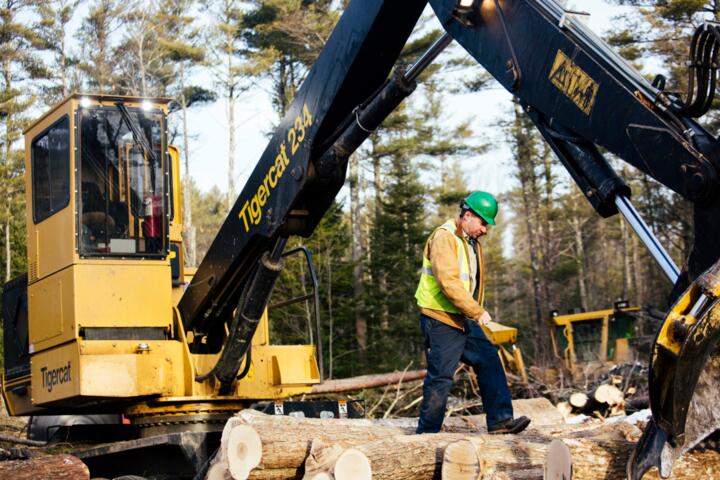
Bioenergy Foundations
Biomass energy from wood waste involves capturing the chemical energy stored in cellulose and lignin through combustion, gasification, or pyrolysis. Unlike fossil fuels, this process utilizes "recent" carbon, making it a pivotal tool in the circular economy. Modern systems don't just burn logs; they process sawdust, bark, and construction debris into standardized fuels like pellets or wood chips.
In practice, a sawmill in British Columbia might use its own bark residues to power high-heat kilns, eliminating disposal costs while generating surplus electricity. These systems are often "base-load," meaning unlike solar or wind, they provide a steady stream of power regardless of weather conditions. The efficiency of a modern Combined Heat and Power (CHP) plant can exceed 80% when both electricity and heat are captured.
The International Energy Agency (IEA) reports that bioenergy accounts for roughly 10% of the world’s total primary energy supply. In the European Union, solid biomass is the largest domestic source of renewable energy, significantly outpacing wind and solar in the heating sector. Transitioning to biomass typically reduces greenhouse gas emissions by 70% to 90% compared to coal or heating oil.
Industry Pitfalls
The most frequent mistake in biomass implementation is ignoring the "Moisture Content Trap." Operators often procure wood waste without strict quality controls, attempting to burn "green" wood with moisture levels above 50%. This results in incomplete combustion, excessive smoke, and rapid degradation of the boiler refractory lining, leading to costly downtime.
Logistical mismanagement also plagues many projects. Because biomass has a lower energy density than coal, the transportation radius is critical. If you are hauling wood waste more than 100 miles, the carbon emissions from the diesel trucks can negate the environmental benefits of the fuel itself. Many firms fail to account for the "total landed cost" of the fuel, including storage and handling.
Ignoring particulate matter (PM) regulations is another significant risk. Local air quality standards, such as those set by the EPA or the EU's Medium Combustion Plant Directive, require sophisticated filtration. Failing to install Electrostatic Precipitators (ESP) or baghouse filters at the outset can lead to legal injunctions and forced shutdowns within the first year of operation.
Implementation Strategy
Standardizing Fuel Feedstock
Success starts with fuel specifications. You must categorize waste into "Grade A" (clean recycled wood) through "Grade C" (treated wood). For automated systems, pelletization is the gold standard. Using equipment from manufacturers like Andritz or CPM allows for the creation of high-density pellets with a calorific value of approximately 17 GJ/tonne, ensuring predictable burn rates and lower ash content.
Advanced Gasification Tech
Instead of direct combustion, consider gasification. This process heats wood waste in an oxygen-starved environment to produce "syngas." Companies like Volter or Ankur Scientific provide modular gasifiers that can be deployed in remote areas. This syngas then drives an internal combustion engine to produce electricity. It is significantly cleaner than traditional burning and allows for easier carbon capture integration.
Optimizing CHP Networks
Maximum ROI is achieved through Combined Heat and Power (CHP). While generating electricity, the system produces significant waste heat. By connecting this to a district heating network or an industrial drying process, you utilize energy that would otherwise be vented. In Northern Europe, cities like Copenhagen use this model to heat thousands of homes using residuals from the timber industry.
Automated Handling Systems
Manual labor kills biomass margins. Implement fully automated walking-floor trailers and screw-conveyor feeding systems. Brands like Bruks Siwertell specialize in bulk handling systems that prevent "bridging" (where wood chips get stuck in the silo). Automation ensures a steady fuel flow to the boiler, which maintains optimal combustion temperatures and reduces thermal stress on the equipment.
Real-time Emission Monitoring
Transparency is key to regulatory compliance. Install Continuous Emissions Monitoring Systems (CEMS) to track CO, NOx, and particulate levels. Utilizing software platforms like AMETEK Land or SICK AG allows operators to adjust air-to-fuel ratios in real-time. This not only keeps the plant legal but also ensures you are squeezing every possible kilojoule out of your feedstock.
Operational Case Studies
A medium-sized furniture manufacturer in North Carolina faced rising natural gas prices and high waste disposal fees for sawdust and offcuts. They invested $1.2 million in a Hurst Boiler biomass system with a 500kW steam turbine. By diverting 2,000 tons of waste per year from landfills, they saved $150,000 in disposal fees and reduced their annual energy bill by $280,000. The project reached its break-even point in under four years.
In another instance, a district heating project in Austria utilized a 5MW wood-chip plant to service 400 residential buildings. By sourcing chips from local forest thinnings within a 30km radius, they stabilized heating costs for residents at 30% below the price of heating oil. The plant utilizes a ceramic flue gas condenser, which boosted overall thermal efficiency to 95% by recovering latent heat from the exhaust steam.
Feedstock Quality Matrix
| Waste Type | Moisture Content (%) | Energy Value (MJ/kg) | Best Use Case |
|---|---|---|---|
| Virgin Wood Chips | 25–35% | 12–14 | District Heating Boilers |
| Industrial Pellets | <10% | 17–19 | Small-scale CHP / Residential |
| Sawdust/Shavings | 10–20% | 15–16 | Briquette Production |
| Bark Residuals | 45–55% | 8–10 | Large Industrial Grate Boilers |
Avoiding Basic Errors
Never underestimate ash management. Wood waste typically contains 0.5% to 3% ash. If your system processes 100 tons of fuel a day, you must have a plan for 3 tons of ash. Many operators forget to budget for ash removal or fail to test the ash for heavy metals, which determines whether it can be sold as fertilizer or must be treated as hazardous waste.
Ensure your storage facility is well-ventilated to prevent the buildup of carbon monoxide and to mitigate the risk of spontaneous combustion. Microbiological activity in damp wood piles can generate significant heat. Implementing a "first-in, first-out" (FIFO) inventory system is the best way to maintain fuel quality and safety.
FAQ
Is wood waste really carbon neutral?
It is considered "carbon lean." The CO2 released during combustion was absorbed by the trees during their growth. As long as forests are managed sustainably and replanted, the cycle remains balanced, unlike fossil fuels which release sequestered carbon from millions of years ago.
What is the minimum scale for a viable project?
For electricity generation, projects under 100kWe are rarely cost-effective due to high capital expenditure. However, for "heat-only" applications, systems as small as 50kW can be highly profitable for farms or small workshops with a steady supply of free wood waste.
How does wood waste energy affect air quality?
Modern plants are equipped with multi-cyclones and baghouse filters that remove 99% of particulates. When operated correctly at high temperatures (above 850°C), harmful VOCs and dioxins are destroyed. It is significantly cleaner than open-pile burning or old-fashioned fireplaces.
Can treated wood (painted/varnished) be used?
Only in specialized industrial incinerators with advanced flue gas cleaning. Burning treated wood in standard biomass boilers releases toxic chemicals like arsenic or lead. Most commercial "Grade A" biomass permits strictly forbid treated timber to protect the equipment and the environment.
What is the lifespan of a biomass power plant?
A well-maintained industrial biomass plant has a mechanical lifespan of 20 to 25 years. Major overhauls of the grate system and refractory lining are typically required every 5 to 7 years to maintain peak efficiency and safety standards.
Author’s Insight
In my two decades of energy consulting, I’ve seen that the most successful bioenergy projects aren't the ones with the flashiest technology, but the ones with the most secure supply chains. My advice to any firm is to lock in your waste supply contracts for at least 10 years before buying a single boiler. We are entering an era where "waste" is a valuable commodity; don't assume your fuel will always be free just because it's currently a nuisance to someone else.
Summary
Biomass energy from wood waste offers a robust, base-load renewable solution for those seeking to escape the volatility of fossil fuel markets. By prioritizing fuel quality, investing in automated handling, and utilizing CHP configurations, organizations can achieve significant fiscal and environmental gains. For immediate results, conduct a fuel audit to determine your average moisture content and caloric availability before consulting with a system integrator.