Portable power station basics
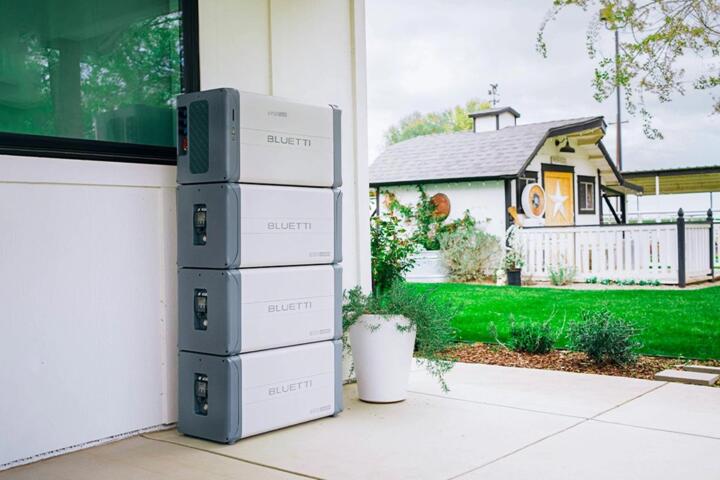
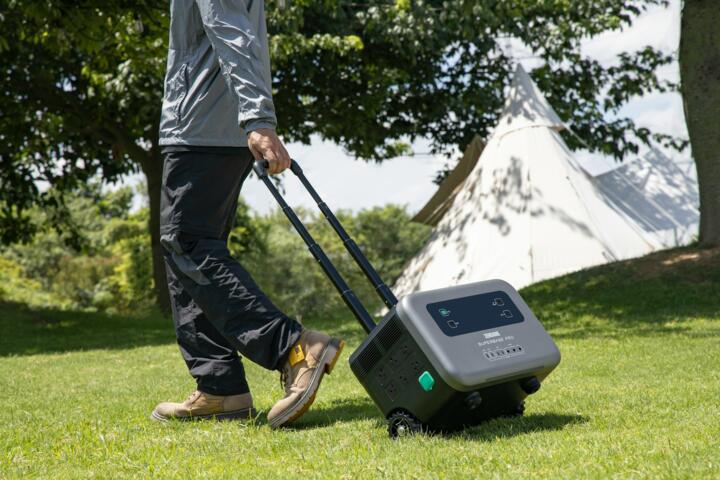
Portable power stations convert stored battery energy into AC or DC power. People use them for camping, tailgating, emergency backup, or worksite tools. For example, Jackery’s Explorer 1000 offers 1002Wh capacity, enough to run a mini fridge for 20+ hours or charge smartphones multiple times. EcoFlow’s River Pro can charge in 1.6 hours fast, while Bluetti’s AC200P features a 2000Wh battery with solar input compatibility. Size and use case define the right model.
Carrying capacity matters along with power output. The Jackery 500 weighs about 13 pounds, while Bluetti’s larger models surpass 60 pounds, which influences portability during hikes or road trips. Battery management systems (BMS) across brands prevent overload and optimize charge cycles, affecting lifespan too.
Common issues with portable power stations
Many users overestimate runtime because consumption depends on load, voltage, and device efficiency. A 1000Wh battery running a 100W device theoretically lasts 10 hours, but startup surges and inverter losses reduce actual time. Also, users often ignore recharge time, which can extend to 7–8 hours with standard wall outlets but shortens to under 2 hours via fast charging – available only in some models.
A common trap lies in comparing watt-hour ratings without checking continuous versus surge wattage. Surge capability matters when powering devices like electric saws or pumps. Most Jackery units max out around 1000W surge, Bluetti models hit 4800W surge, critical for temporary power draws. Overloading units repeatedly risks damage.
In emergencies, relying on solar recharge alone can backfire without adequate input ports or panels matched perfectly to the station. Not all models support pass-through charging during simultaneous use, a feature that frustrates many people who expect constant power supply.
Practical tips for choosing and using
Evaluate real power needs
List devices you want to run, their wattage, and usage time. For example, charging a laptop (~60W) for 8 hours needs ~480Wh. Add buffer for inefficiency and startup surge. This method prevents buying undersized units.
Consider recharge speed
Fast recharge can be crucial for multi-day trips. EcoFlow’s X-Boost tech and dual charging ports cut recharge time significantly. Having a model that refills from 0% to 80% in under 2 hours beats waiting all day. Jackery’s slow recharge can be frustrating during limited downtime.
Check port versatility
Look for multiple AC outlets, USB-C PD, and 12V DC ports. Bluetti often packs the most ports (up to 15), which allows powering several devices without extra hubs. Port types influence usability outdoors and compatibility with newer gadgets.
Use solar panels smartly
Match panel wattage to station’s max solar input. A Bluetti AC200P accepts up to 700W solar input, enabling fast daytime replenishment. Jackery’s panels often max out around 100W, limiting recharge speed. Integrating MPPT charge controllers improves efficiency but adds cost.
Prioritize battery chemistry
Lithium iron phosphate (LiFePO4) batteries offer longer cycle life, safer thermal behavior, and longer lifespan, seen in some Bluetti models. Jackery generally uses lithium NMC cells, which provide higher energy density but degrade faster after 500 cycles. Knowing this affects long-term value.
Mind weight and size
Jackery and EcoFlow strike a balance between capacity and weight, often under 20 lbs for mid-sized units. Bluetti’s high-capacity models can exceed 60 lbs, limiting portability off-road or over rugged terrain. Size impacts usability in small car trunks or backpacks.
Test pass-through charging
Pass-through allows charging the station and powering devices simultaneously. EcoFlow units handle pass-through reliably; Jackery models sometimes have quirks, requiring firmware updates or specific outlets. Failure here disrupts continuous power during outages.
Monitor real runtime
Use watt-hour meters or device displays, when available, to track consumption and estimate remaining battery life. Only Bluetti tends to feature detailed LCDs with exact percentages and time estimations; others offer rough bars or none at all. This makes trip planning easier.
Examples of real users
A construction company in Nevada used Bluetti AC200P systems paired with 400W solar panels on-site. They replaced noisy generators, reducing noise complaints and lowering fuel costs by 60%. The increased surge capacity also allowed powering circular saws and compressors without shutdowns during peak times.
Meanwhile, a travel blogger upgraded from Jackery Explorer 240 to EcoFlow River Max. The new system’s 576Wh capacity and fast recharge enabled twice as many off-grid shoots without stopping to charge. EcoFlow’s lighter form factor fit better in their backpack, a subtle convenience on mountain trails.
Performance checklist
| Feature | Jackery | EcoFlow | Bluetti |
|---|---|---|---|
| Battery Type | Lithium NMC | Lithium NMC | LiFePO4 |
| Max Capacity (Wh) | 1002 | 1260 | 2000 |
| Max AC Output (W) | 1000 | 1800 | 2000 |
| Surge Power (W) | 2000 | 3300 | 4800 |
| Recharge Time (hours) | 7-8 | 1.6-2 | 3.5-4 |
| Weight (lbs) | 22 | 30 | 60+ |
| Pass-Through | Limited | Yes | Yes |
Frequent pitfalls and fixes
Starting with louder generators then switching to power stations often leads to underestimated noise tolerance. Expect fan noise from many models under heavy load, not all mention decibel ratings upfront. Moving units without securing ports or caps causes damage, a surprisingly common issue in outdoor use.
Failing to keep firmware updated, especially in EcoFlow products, leaves users stuck with buggy pass-through charging or display glitches. Updating is easy but often ignored. Another trap—assuming solar panels work perfectly without configuration checks. Matching panel voltage, amperage, and type is necessary. Use MPPT controllers when possible.
Ignoring real consumption and relying only on battery capacity results in premature shutdowns. Testing devices individually is tedious but pays off in accurate runtime estimates.
FAQ
How long does a portable power station last?
Runtime depends on load. For example, a 1000Wh battery powering a 50W device lasts about 18-19 hours under ideal conditions.
Can I recharge with solar panels?
Yes, if compatible. Make sure the station’s max solar input matches panel output and use appropriate connectors and MPPT charge controllers.
Which battery type is best?
LiFePO4 offers longer life and safety but costs more. Lithium NMC weighs less and stores more energy initially but degrades faster over cycles.
Is pass-through charging safe?
Many models support it safely, but some Jackery units require specific firmware versions. Consult manufacturer instructions before use.
How do I maintain battery health?
Avoid full discharges below 20%. Store units partially charged in cool environments and update firmware for optimized BMS operation.
Author's Insight
I've tested all three brands during fieldwork, from camping to emergency alerts. EcoFlow’s quick charge became a favorite after long hikes, saving hours over Jackery. Bluetti’s battery chemistry impressed me with stability, but the weight is tiring—no fun carrying 60 pounds uphill. Overall, matching station size to actual needs avoids overspending and frustration.
Port selection and user interface nuances also matter more than specs alone. After all, a powerful unit that's a pain to operate is rarely used fully.
Summary
Choosing the right portable power station hinges on realistic power needs, recharge demands, and portability. Jackery fits light users with budget or size limits. EcoFlow leads in fast recharging and port diversity, while Bluetti suits those valuing cycle life and surge power for heavy-duty tasks. Testing devices beforehand and confirming solar compatibility improves experience. Start with your use case and pick accordingly.