Rural Glass Walls Explained
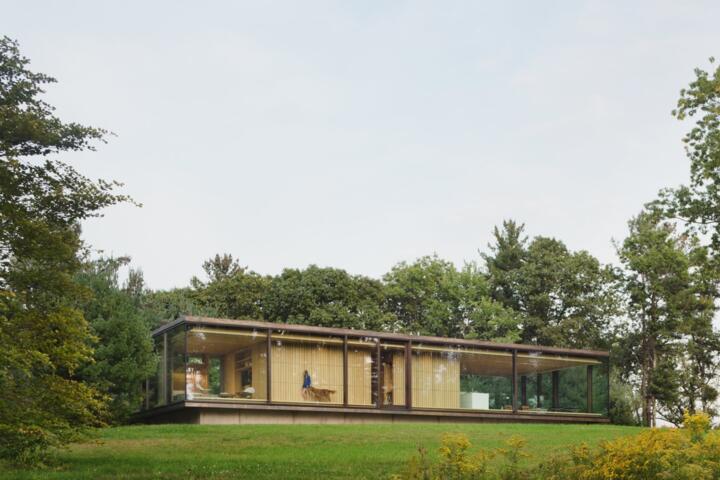
Glass walls have shifted from urban luxury to rural design staples. They open panoramic views, connect indoors with nature, and flood spaces with light. A 2021 DOE study noted rural homes using large glass sections can lose up to 30% more heat in winter than traditional insulated walls. But they don't just invite beauty; they challenge insulation norms.
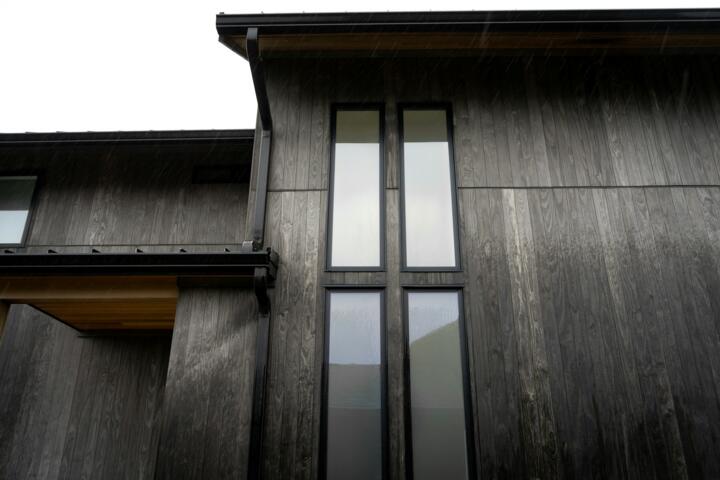
Take a mountain cabin with a floor-to-ceiling glass façade overlooking valleys—it’s stunning but can spike heating bills if left unchecked. Another example involves a farmhouse in Vermont sealing in summer heat due to poor glazing choice. Glass walls generate emotional and visual benefits but create complex energy demands too.
Challenges and Real Concerns
People often underestimate heat transfer through glass. Assume that double glazing fixes everything. It doesn't. Single-pane or low-performance glass sends warmth straight outside. In winter, a rural home can feel drafty despite modern heating systems, because glass walls leak thermal energy fast.
Solar gain—where sunlight heats interiors—helps but varies by season. Improperly oriented glass walls lead to overheating in summer and rapid heat loss in winter. Moisture condensation also harms wood frames and finishes. Rural areas with big temperature swings amplify these issues, increasing discomfort and utility costs.
Seeing soaring electric bills is common. Residents report 20–40% higher energy consumption where glass walls dominate, per multiple case surveys across rural Europe and North America. Worse, many rely on older HVAC or assume extra heat pumps solve it. They don’t.
Effective Approaches to Balance
Advanced Glazing Technologies
Use triple glazing with low-E coatings. These layers reflect infrared heat back inside during cold months but allow visible light to pass. Companies like Saint-Gobain and AGC Glass provide options with U-values below 0.15 W/m²K, markedly reducing heat loss versus double-glass units. In practice, a 2022 Vermont instal cut heating needs by 25%.
Thermal Break Frames
Aluminum or steel frames conduct heat rapidly. Introducing thermal breaks, often polymer segments, interrupts this transfer. It’s why fiberglass or wood composite frames—such as Marvin's Ultimate line—improve retention without sacrificing structure. These frames balance durability and comfort, often found in modern rural builds.
Strategic Orientation
Facing glass walls south captures solar warmth in winter but requires shading in summer. Overhangs or adjustable screens prevent overheating, especially important in rural zones with strong sun. Orienting glass reduces dependency on mechanical systems while preserving views. In one case, repositioning glass walls slashed cooling loads by 15%.
Insulated Window Treatments
Heavy curtains or cellular shades save energy without blocking the view all day. Remote-controlled systems can close at night or on cold days. Hunter Douglas offers models with R-values up to 4.7, a boost rarely tapped in rural glass projects. These treatments bluff the glass's heat leakage, often with stylish fabrics and textures.
Air Sealing and Frame Detailing
Seal gaps around glass panels meticulously. Foam or gaskets prevent infiltration, critical outdoors where wind pressure spikes. Tools like the Milwaukee M12 thermal imager detect problem areas. In rural homes, painstaking air sealing cuts drafts by half, a measure some designers regrettably skip.
Integrating Thermal Mass
Placing stone, concrete floors, or interior walls near glass walls captures heat during day, releasing it slowly at night. This passive solar strategy helps regulate temperature swings common in rural regions. The 2022 build in Idaho employed 12-inch concrete slabs adjacent to glass facades, leveling indoor temps and reducing heating cycles.
Renewable Heating Systems
Complement glass walls with heat pumps, pellet stoves, or solar thermal systems. While glass drives up heat loss, these technologies offset costs sustainably. Mitsubishi Electric’s Variable Refrigerant Flow heat pumps perform well in rural climates, maintaining 75% efficiency even at -20°C. The synergy matters.
Smart Glass and Dynamic Tinting
Switchable glass tints adjust transparency, controlling solar gain on demand. Companies like View, Inc. sell smart windows that respond to sunlight, cutting cooling loads by 20%. Besides reducing glare, these smart systems modulate internal heat dynamically—perfect in unpredictable rural weather.
Landscaping For Microclimates
Plant trees and shrubs can protect glass walls from wind and shade them in summer. Rural builders often miss this natural buffer, which complements technical solutions. Deciduous trees work well, shading in summer then shedding leaves to maximize winter solar gain. This small extra step can trim temperature swings noticeably.
Practical Rural Glass Cases
A Vermont cottage expanded with 250 square feet of triple-glazed glass walls by Marvin. Winter heating dropped 27% the following season, even in -15°F cold spells. They installed remote-controlled insulating shades too, which cut nighttime heat loss by half.
In rural Colorado, a ranch house used View smart glass on south-facing walls, successfully reducing air conditioning use by 22% during intense summer months. Combined with stone floors, indoor temperatures remained stable without excessive mechanical input.
Glass Walls: Energy Insights
| Method | Cost Impact | Energy Saving | Durability |
|---|---|---|---|
| Triple Glazing | +30–50% | Up to 35% | High |
| Thermal Break Frames | +10–20% | 10–15% | Medium–High |
| Insulating Shades | Low | 15–25% | Variable |
| Smart Glass | High | 20–30% | High |
Frequent Errors to Dodge
Skipping air sealing causes drafts that no triple glazing alone will fix. Expect discomfort and wasted energy.
Buying glass walls first, then planning insulation is backward; design integration saves money and effort.
Ignoring local climate data—like summer highs or winter lows—leads to poor glazing choices. Check exact temperature swings before installation.
Underestimating frame impact is typical. Aluminum frames without thermal breaks amplify heat loss visibly in cold months.
Relying on HVAC to fix heat loss from glass walls bloats operating expenses long term.
FAQ
Do double-glazed windows reduce heat loss enough?
Double glazing improves over single panels but may not suffice for large rural glass walls needing triple glazing or coatings.
Is smart glass energy-efficient year-round?
Smart glass adapts dynamically and cuts cooling loads but offers moderate heating retention—still needs complementary insulation.
How does orientation influence glass wall design?
Facing glass south maximizes winter solar gain; east and west faces can cause overheating if unshaded in summer.
Can window treatments really impact energy loss?
Heavy curtains or cellular shades add R-value, blocking thermal escapes, particularly effective overnight or on cold days.
What maintenance do glass walls require?
Regular sealing checks and cleaning preserve integrity; thermal breaks and coatings can degrade over 10-15 years needing replacement.
Author's Insight
In my decade working on rural energy-conscious houses, the glass wall dilemma reocurrs. Owners love views but dread high bills. Most success comes from combining techniques—not just upgrades but thoughtful design. I’ve seen triple glazing save 30% on heating, but without shading, homes roast come July. Air sealing, that often ignored step, fixes endless problems. Each site demands a tuned solution and ongoing assessment.
Summary
Glass walls reveal nature but invite energy loss in rural homes. Use triple glazing, thermal breaks, and carefully choose orientation. Combine shading, insulation, and smart treatments to cut thermal waste. Avoid design shortcuts like poor sealing or ignoring climate data. The balance comes from blending technology with local wisdom — and patience to get every detail right.