Nathan Smith

Lead Architect & Sustainable Design Consultant

"Architecture should be a seamless extension of the natural landscape, prioritizing structural integrity and energy efficiency over fleeting aesthetic trends."

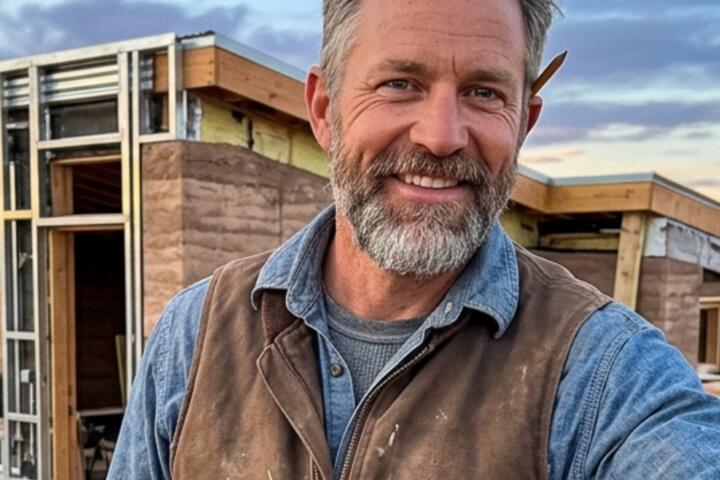
Nathan has over 15 years of experience in resilient residential engineering. He specializes in "Seismic-Resilient" structures and "Earth-Sheltered" homes that utilize thermal mass for natural climate control.

Credentials

  • M.Arch (Master of Architecture)
  • Lead Architect & Sustainable Design Consultant
  • Certified Passive House Consultant

Work Experience

He has successfully managed over 50 off-grid construction projects, focusing on preventing humidity and mold through advanced ventilated facade systems.

Education

  • Bachelor of Science in Civil Engineering | UC Berkeley
  • Master of Architecture | Focus on Sustainable Systems

Location

High Desert, New Mexico, USA

Hobbies

  • Restoring vintage woodworking tools.
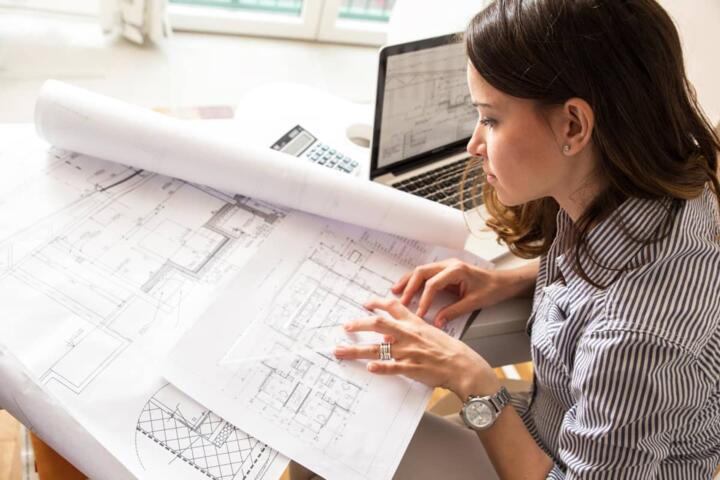
  • Drafting hand-drawn blueprints for experimental cabins.
  • Researching smart glass technology for large-scale window shading.
Nathan Smith

Latest Articles

Home Building 23.02.2026

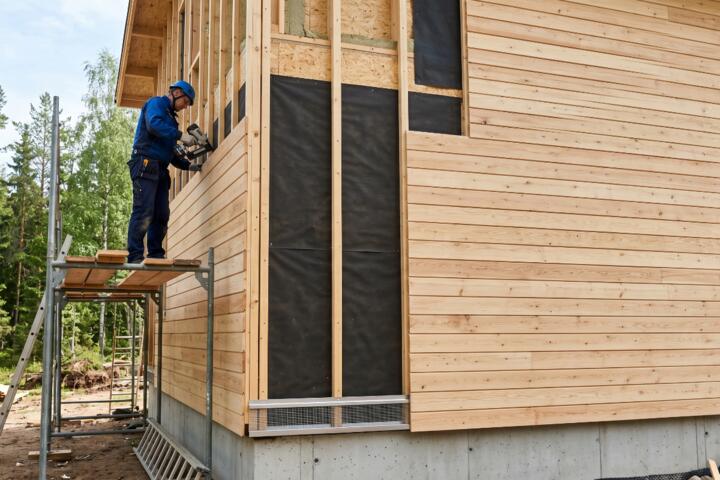
Ventilated Facade Systems: Preventing Humidity and Mold in Wood Homes

Wood houses face a silent threat from moisture entrapment that leads to structural decay and compromised indoor air quality. This comprehensive guide explores how ventilated facade systems act as a thermal and hygrometric shield for timber structures. We examine technical specifications, material selection, and expert installation practices to eliminate mold risks and extend building longevity. Ideal for architects, homeowners, and contractors seeking durable, moisture-resistant construction solutions.

Read » 127
Home Building 26.02.2026

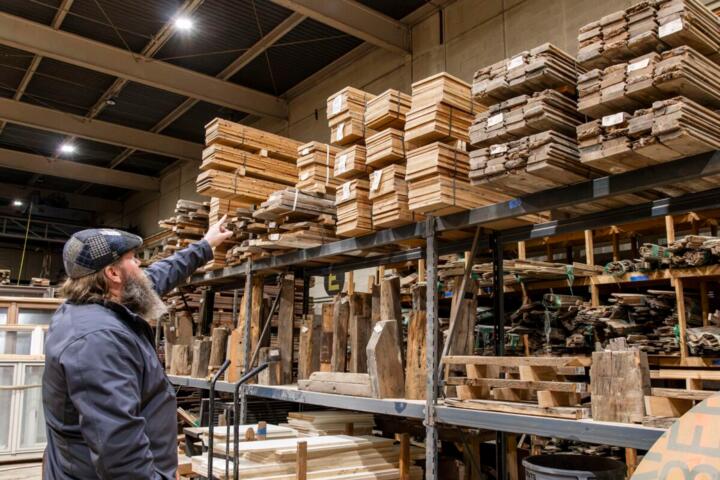
Using Reclaimed Materials in Modern Construction: Style and Ethics

This comprehensive guide explores the integration of salvaged structural elements into contemporary architectural projects, balancing aesthetic appeal with environmental responsibility. Designed for architects, developers, and sustainability-focused homeowners, it addresses the technical challenges of sourcing and certifying pre-owned materials. By implementing these strategies, stakeholders can reduce carbon footprints by up to 40% while creating high-value, unique spaces that stand out in the modern real estate market.

Read » 399
Home Building 06.03.2026

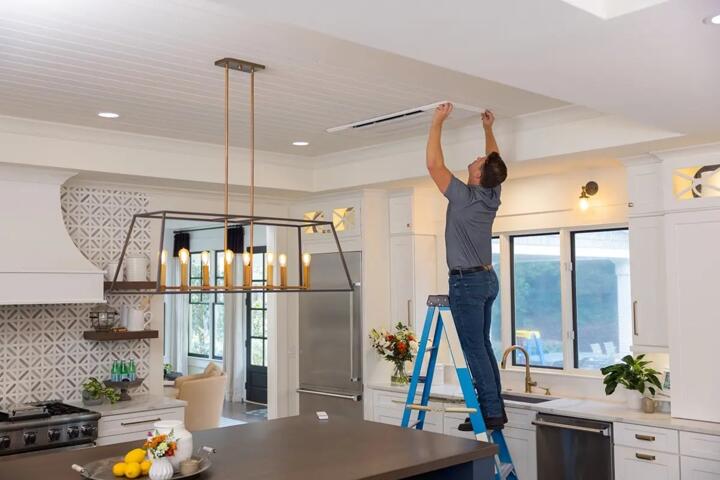
The Impact of Ceiling Height on Heating Efficiency and Comfort

Vertical space significantly alters the thermodynamic profile of residential and commercial interiors, often leading to a 25% increase in energy waste due to thermal stratification. This guide analyzes how structural volume dictates HVAC performance, offering homeowners and developers actionable strategies to balance aesthetic grandeur with thermal efficiency. By implementing targeted airflow management and smart insulation, you can eliminate cold spots and reduce utility costs in high-volume environments.

Read » 456
Home Building 10.03.2026

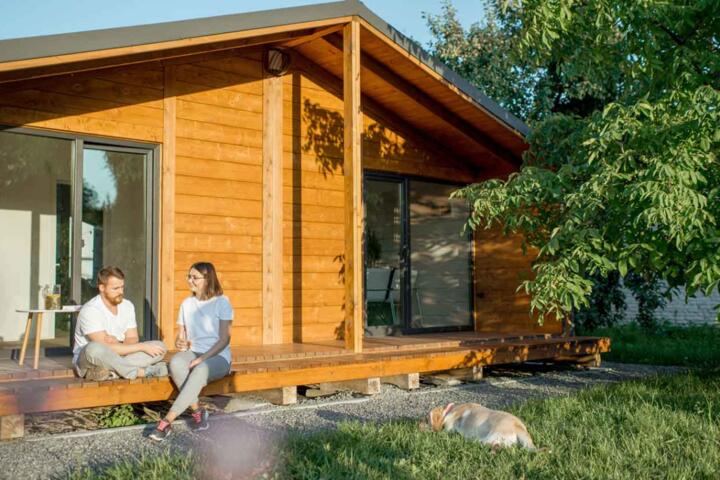
The Cost of Building a Guest House: ROI and Utility Planning

Building an additional residential structure on your property is no longer just a hobby project for extra space; it is a strategic capital investment. This guide breaks down the hard costs of construction, the critical engineering required for utility integration, and the metrics for calculating a sustainable return on investment (ROI). We address the friction between high-end finishes and rental yields to help homeowners and developers maximize property value while maintaining technical compliance.

Read » 438
Home Building 14.03.2026

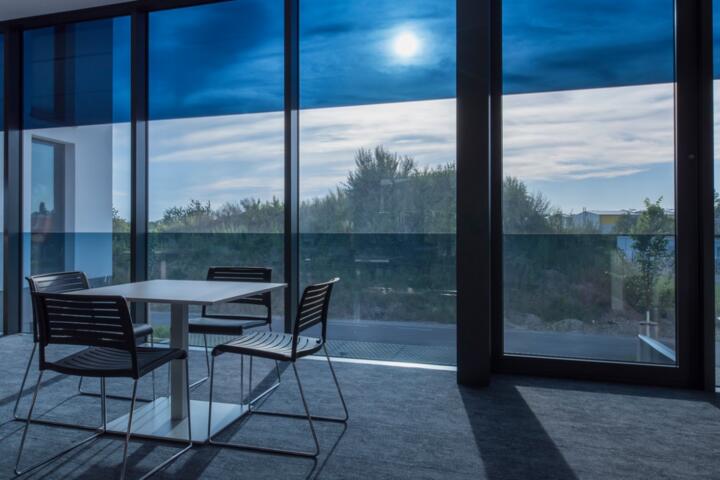
Smart Glass Technology: Automatic Shading for Large Windows

Modern architecture’s obsession with floor-to-ceiling glass creates a conflict between aesthetic transparency and thermal management. Passive glazing often fails to regulate solar heat gain, leading to "greenhouse effects" that strain HVAC systems and compromise occupant comfort. Intelligent glazing systems resolve this by autonomously adjusting tint levels in response to environmental triggers, offering a data-driven approach to sustainable building design.

Read » 249
Home Building 15.03.2026

Seismic Resilience: How to Build a Safe House in Earthquake Zones

Building in seismic regions requires a paradigm shift from rigid permanence to flexible endurance. This guide provides architects, developers, and homeowners with a technical roadmap for constructing residences that prioritize life safety and asset protection during tectonic events. We explore advanced base isolation, reinforced material science, and the critical integration of soil mechanics to ensure structural survivability.

Read » 249
Home Building 25.03.2026

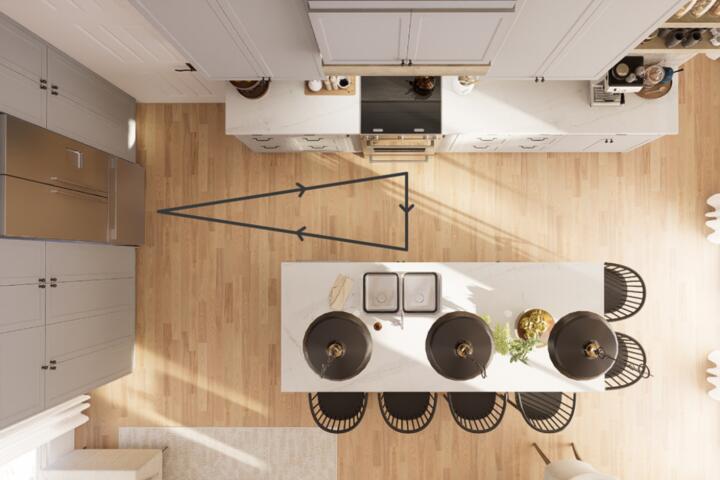
Kitchen Work Triangle: Optimizing Your Country Kitchen Layout

This guide addresses the challenge of balancing rustic aesthetics with functional efficiency in large, rural-style kitchens. It provides homeowners and designers with a blueprint for minimizing unnecessary movement by refining the spatial relationship between storage, preparation, and cooking zones. By implementing these ergonomic principles, you can transform a disjointed workspace into a high-performance culinary environment that preserves its traditional charm while meeting modern standards of convenience and speed.

Read » 184
Home Building 27.03.2026

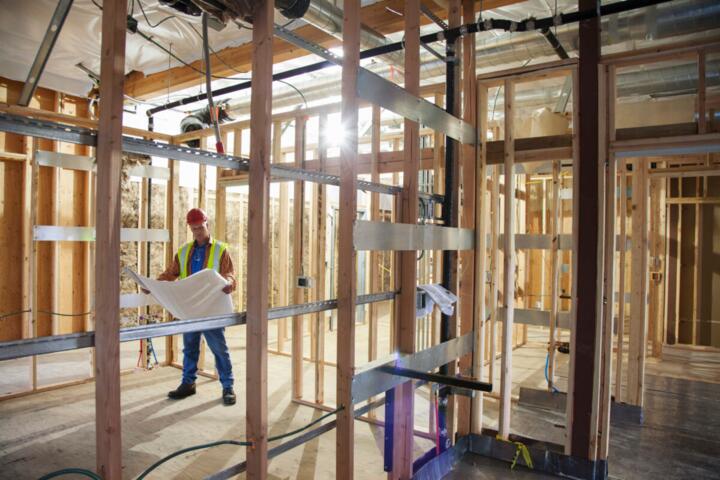
How to Read Blueprints: A Guide for Future Homeowners

Deciphering architectural documents is the most critical skill a future homeowner can possess to prevent costly construction delays and change orders. This guide provides a deep dive into the symbols, scales, and structural layers found in modern residential design sets. By understanding how to interpret these layouts, you can ensure your builder delivers a home that aligns with your lifestyle and budget.

Read » 153