Understanding Remote Architect Roles
Remote construction projects challenge traditional architecture practices. An architect working thousands of miles away cannot simply drop by the site. They must bridge distance gaps with technology, local partnerships, and detailed remote oversight.
For example, 47% of architecture firms in a 2023 survey reported increasing their reliance on virtual project management tools for remote assignments. Remote architecture demands meticulous coordination with on-site construction teams and keen attention to regional building codes.
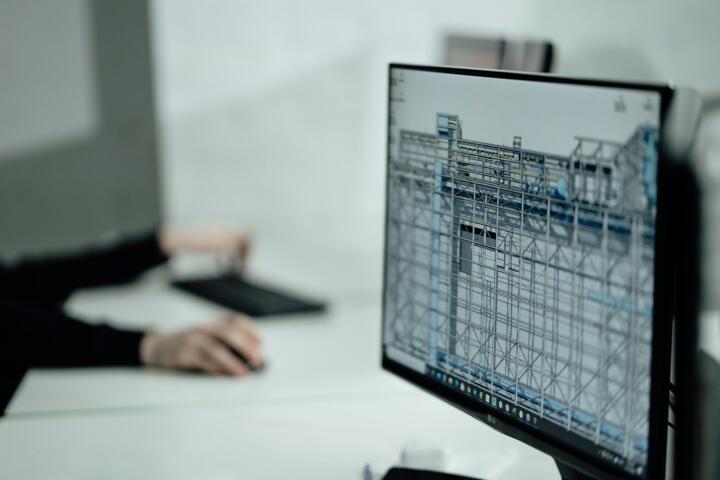
Projects range from rural cabins in Montana to commercial developments overseas, each with unique hurdles for off-site architects. Handling permits or environmental conditions remotely often requires local consultants guided by the architect’s vision. Teams use tools like AutoCAD 2023 and BIM 360 to share real-time plans, avoiding costly misunderstandings.
Pitfalls in Remote Architect Selection
Choosing an architect without strong remote experience causes delays and budget overruns because of communication gaps and misalignment on expectations. Hiring a local firm without remote capabilities wastes potential; likewise, remote-only architects unfamiliar with local regulations cause compliance issues.
Missing a site visit or insufficient remote reviews often result in design errors discovered mid-construction—costly and disruptive. I’ve seen a project where design revisions triggered $500,000 in rework just because the architect skipped early stakeholder video calls and local inspections.
Remote setups not adopting proper digital tools lack transparency, increasing conflict. Teams spend hours chasing vague emails or outdated blueprints. Poor documentation creates audit problems when municipalities scrutinize approvals.
Choosing an Architect: What Works
1. Prioritize Remote Experience
Look for architects who regularly manage projects without site presence. They understand nuances like scheduling site visits via trusted local partners and holding virtual progress reviews. Experience reduces surprises and improves forecasting. Firms using cloud platforms such as Procore report 30% fewer delays in remote projects.
2. Secure Local Partnerships
An architect without local knowledge should collaborate with regional consultants or inspectors. This partnership helps navigate unique building codes and environmental factors. For instance, a firm in Seattle worked with Alabama-based engineers to handle hurricane codes remotely, preventing costly redesigns.
3. Demand Tech Proficiency
Resistance to software tools ruins remote projects. Find architects fluent with digital modeling, document control, and communication platforms. Cloud-based suites like Bluebeam or Slack streamline document exchanges and messaging, decreasing errors by 20-25% in studies.
4. Verify Communication Routines
Ask architects about their typical remote meeting cadence, reporting style, and feedback loops. Transparent workflows signal professionalism and reduce friction. Zoom/video reviews every 7-10 days keep issues visible. Vague promises of “we’ll call when needed” are red flags.
5. Evaluate Documentation Standards
Remote builds depend on crystal-clear drawings and contracts incorporating contingencies for distance challenges. Examine past project documentation samples. Architects using cloud version tracking help prevent misinterpretation and unauthorized changes.
6. Clarify Roles and Responsibilities
Define who handles construction supervision, permit acquisition, and material sourcing. This statement minimizes duplicated work or gaps. For example, a developer once doubled payments because project oversight was unclear between their architect and local builder.
7. Test Responsiveness
Contact architects during the selection phase. Quick email replies and willingness to host impromptu video calls often predict the project’s communication quality. Slow replies stress teams during critical milestones.
8. Seek References with Similar Drivers
Ask for contacts in past remote projects, especially those with similar scale or location challenges. These references reveal tangible strengths or weaknesses beyond glossy portfolios.
9. Insist on Detailed Contracts
Include explicit service scopes, milestones, deliverables, and dispute resolution clauses. Remote projects need airtight agreements to handle unexpected logistical snags or time-zone delays.
Remote Project Success Stories
A tech startup needed a remote office in Colorado while their architect stayed in New York. They integrated local engineers through structured weekly video meetings and BIM 360 digital coordination. The result: the project finished 12% ahead of schedule, under $2.4 million budget.
Another example involves a community center built in rural Canada. The architect partnered with a provincial engineer and used drone site surveys. They conducted monthly remote walkthroughs via live streams, which an onsite team helped orchestrate. Costs stayed within 1.5% of estimates, a tight margin for remote work.
Checklist for Architect Selection
| Criteria | Must Have | Ideal | Red Flag |
|---|---|---|---|
| Remote Projects | Several completed | Repeat client endorsements | No example seen |
| Tech Tools | Uses AutoCAD/BIM | Cloud platforms plus video calls | Prefers emails only |
| Local Contacts | Confirmed partners | Ongoing collaboration | No local ties |
| Communication | Established schedule | Weekly video calls | Irregular replies |
Common Remote Mistakes
Failing to clarify the architect’s remote access to site conditions creates false assumptions. Missing local partners leads to noncompliance in permits and codes. Another trap: ignoring software training for team members causes bottlenecks.
Deliverables that remain in narrative emails instead of clear annotated drawings cause friction. Lastly, underestimating communication frequency results in unnoticed site deviations until too late.
Late-night email chains and timezone confusion sap energy, resistance builds. Get control early.
FAQ
How do I check an architect's remote experience?
Request a portfolio of remote projects along with specific client references with similar scopes or locations.
Can a local contractor replace the need for local architectural knowledge?
Contractors help but cannot substitute for local code expertise architects provide; both roles complement each other in remote builds.
Which tools help architects manage remote projects best?
AutoCAD or Revit for design, BIM 360 for collaboration, Procore for management, and Zoom or Microsoft Teams for meetings are reliable choices.
How often should the architect communicate in remote projects?
Weekly check-ins with immediate updates on issues maintain clarity and reduce downtime.
What risks arise from poor documentation remotely?
Incomplete or outdated documents cause construction errors, delays, and legal disputes, so detailed version control is a must.
Author's Insight
Remote projects demand far more than emails and plans. I’ve found architects who combine strong local partnerships with disciplined digital workflows create much smoother experiences. A good architect remotely acts as both planner and project coordinator—they understand when to delegate and when to intervene directly. In my 15 years working across borders, communication beats creativity if you lack it.
Summary
Choosing the right architect means verifying remote proficiency, local ties, and communication habits. Insist on clear contracts and modern tools early. Avoid pitfalls by setting roles and expectations upfront. Picking the wrong architect costs months and money; the right one saves both and brings your vision to life.