Understanding Double-Stud Walls
Double-stud walls consist of two parallel framing walls separated by an air gap, filled with thick insulation. This design eliminates many wood-to-wood thermal bridges typical in standard single-stud framing. For example, a 12-inch double stud can accommodate dense-packed cellulose or mineral wool with R-values exceeding 40, far outperforming standard 2x6 walls with spray foam alone. Builders in Vermont and Maine have repeatedly documented energy savings up to 30% on heating costs when retrofitting with this method. The assembly creates a deep cavity that allows uninterrupted insulation, improving heat retention in winter and reducing cooling loads in summer.
Common Issues in Wall Insulation
Many builders misjudge thermal bridging and compression of insulation in conventional walls. A 2x6 wall, rated typically at R-20, often performs closer to R-13 because studs conduct heat quickly. The problem worsens with poorly installed insulation or gaps that cause convective loops. This leads to uneven temperature distribution causing discomfort or moisture buildup. When contractors skip adequate air sealing or don’t account for vapor diffusion, wall cavities become prone to condensation — dampening insulation and raising utility costs. A retrofit example in 2018 showed mold growth after just two winters in a standard assembly with 5.5 inches of fiberglass.
Practical Steps for Double-Stud Walls
Framing Approach
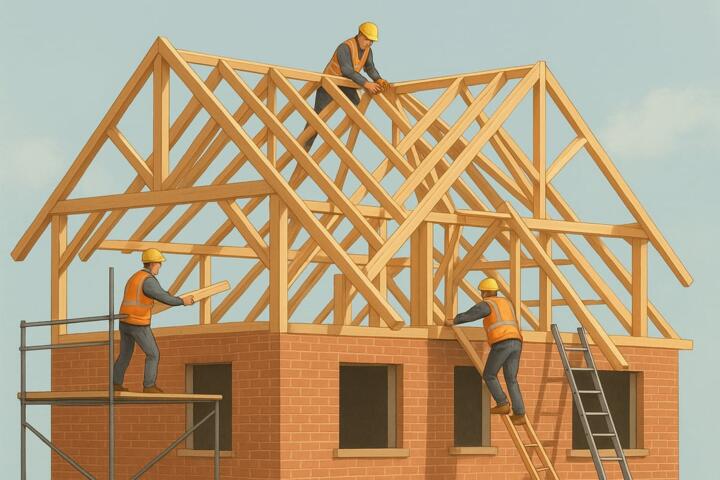
Construct two separate stud walls, typically 2x4 or 2x6, spaced apart by a 1 to 2-inch gap for air sealing and mechanical services. This gap reduces thermal bridging by interrupting wood-to-wood conduction paths. In practice, an outer wall often aligns with standard framing schedules while the inner wall matches drywall layout. Use pressure-treated bottom plates to prevent moisture wicking, often overlooked in DIY builds.
Insulation Type
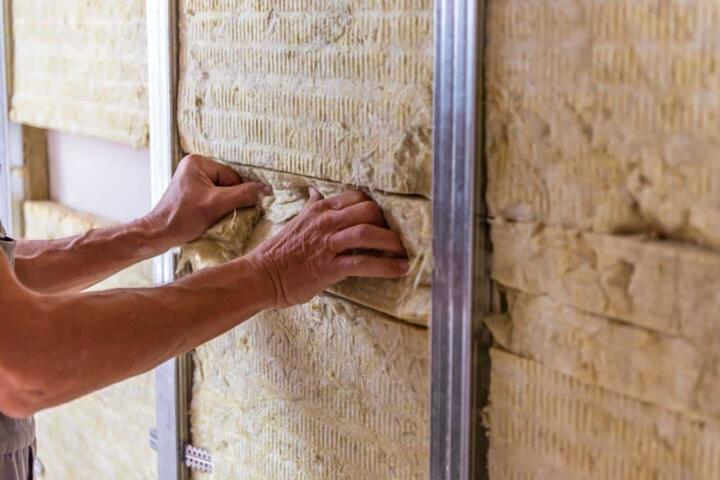
Choose dense-packed cellulose or mineral wool for the cavity. These materials resist air infiltration while offering high R-values per inch: cellulose averages R-3.7, mineral wool R-3.3. Spray foam is an option but tends to raise costs substantially and isn’t always necessary here. Dense packing at 3.5 lbs/ft³ stops settling over decades, tested extensively in cold climates like Minnesota. I use cellulose for this reason, though mineral wool comes with added fire resistance.
Air Barrier Installation
Install a continuous air barrier on the exterior sheathing or interior drywall side to block uncontrolled airflow. Tyvek or similar WRB membranes work for wind washing protection outside sheathing, combined with taped seams. On the interior, sealing drywall seams with acoustical caulk or specialized tape improves airtightness, reducing drafts that destroy insulation performance. Expect blower door results under 1.0 ACH in high-end double-stud envelope projects, a rare achievement otherwise.
Vapor Control Strategy
Use smart vapor retarders like Intello Membrane on the warm side to balance drying potential and moisture control. In colder zones, avoid impermeable polyethylene as it traps moisture. Double walls hold moisture better if designed without a cold-side vapor barrier. Years of field performance in New England show assemblies drying both inward and outward retain effectiveness longer, cutting risk of rot in framing.
Window and Door Integration
Over-frame openings with insulated jamb extensions matching wall thickness. Use closed-cell foam to seal gaps around frames, preventing leakage. High-performance triple-glazed units with warm-edge spacers and low U-values (~0.15) benefit the assembly. Avoid installed windows recessed inside the single stud; they create complex insulation gaps and thermal bridging.
Exterior Cladding Attachment
Fasten siding using long screws or clips that penetrate both frames. Install vertical furring strips over the sheathing to provide drainage and ventilation, extending cladding lifespan and preventing trapped moisture. A rainscreen behind siding is a modest added effort that enhances durability. The furring method delays freeze-thaw damage in wet climates observed during inspections in 2021.
Cost and Time Considerations
Expect framing material usage to nearly double, with incremental labor for insulation blowing and sealing taking 20–30% longer than regular framing. However the payback in energy savings typically recoups costs within 7–10 years, depending on fuel prices and home size. On a 2,000-square-foot house, that can mean savings of $500 annually on heating in northern states.
Verification and Testing
Blower door and thermographic inspections confirm air tightness and insulation continuity. Real-world tests show double-stud walls reduce average envelope leakage by 40% compared to well-built single stud walls. I recommend commissioning these tests at two points: after air barrier installation and before drywall finishes, to catch any gaps early.
Material Choices
Use non-toxic materials to avoid off-gassing in thick wall cavities. Cellulose treated with safe borate is ideal. Beware of spray foams with HFCs or unproven fire retardants—those choices increase environmental impact and may cause health complaints. Beyond that, durable OSB or plywood sheathing with integral WRB layers streamline assembly — although those WRBs rarely work as installed, the redundancy with taped seams is a must.
Field Applications
In one project near Burlington, Vermont, a custom home replaced standard 2x6 walls with 14-inch double-stud framing filled with cellulose. The heating bill dropped from $2,800 annually to $1,900 the first winter. Infrared scans showed uniform temperatures across the walls, no cold spots. Another example comes from a prefab builder in Wisconsin who scaled double-stud walls across a 50-unit affordable housing complex, reducing average heating loads by 35% and cutting moisture complaints nearly in half. Both projects demonstrate durability after multiple heating seasons.
Features Comparison
| Feature | Single Stud | Double Stud | Cost Impact |
|---|---|---|---|
| Framing Depth | 5.5"" to 7.25"" | 12"" to 14"" | Higher |
| Typical R-Value | R-15 to R-21 | R-35 to R-50 | +$3-$5/ft² |
| Thermal Bridging | Common | Minimal | Reduced |
| Air Leakage | Moderate | Low | Lower Risk |
| Installation Time | Standard | 20–30% Longer | Increase |
Avoiding Common Errors
Pack insulation too loosely, and voids form, which degrade R-values fast. Tight dense packing requires calibrated nozzles and experienced blowers; using a standard hand-held rig, as some installers do, wastes effort. Skip thorough sealing around electrical boxes; the walls leak. It rarely works out well if you think the drywall alone stops air flow. Omitting vapor management invites condensation, a problem usually discovered years after installation. I’ve found builders mix up vapor retarder placement depending on climate zone, ignoring the latest research around smart membranes. Lastly, don't overlook window rough opening insulation; cold corners spoil the performance of even the highest R-walls.
FAQ
What R-value do double-stud walls achieve?
They usually reach R-35 to R-50 depending on cavity depth and insulation type, with thicker walls accommodating more dense-packed cellulose or mineral wool.
Are double-stud walls prone to moisture issues?
Proper vapor control and air sealing prevent moisture problems. Using smart vapor retarders allows drying to both sides, lowering rot risk in colder climates.
How does air sealing affect performance?
Tight air sealing reduces convective heat loss, often improving overall wall performance by 15–20% beyond insulation alone.
Can double-stud walls be built with standard tools?
Yes, though precise framing and insulation blowing require some experience and specialized tools like dense-pack blowers and blower doors for quality checks.
Is double-stud framing cost-effective?
Higher upfront costs pay off in energy savings and occupant comfort, with typical paybacks ranging 7–10 years depending on fuel prices and location.
Author's Insight
In my decade of on-site experience, double-stud walls deliver consistent, measurable improvements in thermal resistance when done right. Mistakes happen—often from rushing air sealing or ignoring vapor dynamics—but the payoff is undeniable where winters bite. Understanding local climate nuances shapes best choices; what works in Seattle doesn’t always work in Minneapolis. I recommend continuous testing during construction, trust but verify. Nothing beats an infrared scan in revealing hidden flaws, especially on projects done around 2023, where high thermal standards are a must.
Summary
Double-stud walls transform external framing into a high-performance thermal barrier by maximizing insulation thickness and minimizing thermal bridges. Achieving this demands precise framing, dense-packed insulation, careful air and vapor control, plus diligent integration of windows and cladding. Builders save energy and reduce moisture issues in cold climates by adopting this method. Testing and attention to detail prevent common pitfalls. Start with quality materials, factor in added framing time, and verify airtightness early to harvest long-term comfort and savings.