Siding for Severe Weather
Siding shields homes from brutal elements: driving rain, snow, scorching sun, and gale-force winds often press siding materials beyond their limits. For example, the northeast U.S. commonly faces over 40 inches of annual rainfall, and Midwest storms bring powerful temperature swings exceeding 50°F within days. These forces accelerate decay and warping in ordinary siding, hastening costly repairs. Sustainable siding integrates durability and low environmental impact with a longer lifespan, reducing waste and replacement frequency.
Materials must resist water infiltration, temperature cycling, and UV exposure continuously. The goal is minimal upkeep and avoiding toxic finishes over time. These criteria drive a choice toward naturally resilient and recycled resources carefully engineered for hostile climates.
Products like fiber cement and reclaimed wood blends scored well in wind resistance tests above 110 mph in 2019. Another local example is cedar siding lasting 30+ years in coastal Maine, surviving both salt spray and hail. These figures prove sustainability pairs with weather readiness, not just aesthetics.
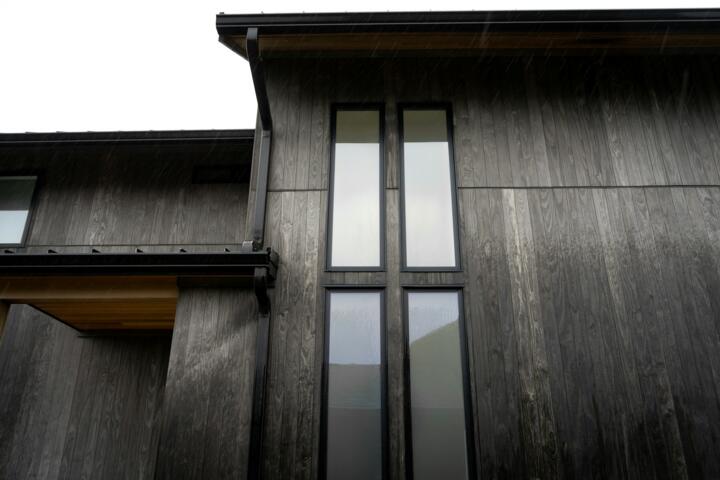
Extreme weather demands.
Failings in Siding Choice
Consumers often prioritize upfront costs and convenience over material longevity, ignoring long-term damage potential. Vinyl siding dominates the market for affordability, but lacks breathability and tends to crack under severe freeze-thaw cycles, raising moisture trap risks.
Another pitfall: Underestimating UV degradation. For instance, untreated wood fades fast under relentless sun and develops cracks, while some fiber cement products become brittle if formulas omit specific additives. Homeowners assume maintenance like repainting will fix these, yet frequent recoating means recurring expenses and chemical exposure.
When moisture penetrates, it leads to mold and structural wood decay. A single hailstorm can gouge vinyl or soft wood panels — repairs rarely match original surface finish or color perfectly. Improper siding can also impact energy efficiency, letting cold drafts or summer heat in, increasing utility bills.
The result might look fine briefly, but after 5 years, costly replacements negate original savings.
Recommendations with Details
Fiber Cement Options
Fiber cement blends cement, sand, and cellulose fibers into panels mimicking wood or stone textures. With Class A fire rating and high moisture resistance, it remains stable across humid coastal zones and drought-prone inland areas. James Hardie and Allura produce well-reviewed brands that last up to 50 years with minimal fading.
They cost between $5 to $10 per square foot, including installation, a mid-range price that's recouped by lifespan. Keep in mind, cutting panels properly avoids chipping—a common install snag needing sharp carbide blades.
Engineered Wood Siding
Engineered wood offers treated, laminated wood fibers mixed with resins designed to repel moisture and pests. Brands like LP SmartSide include proprietary fungal and insect resistance treatments, making them fit for humid, termite-prone areas. They hold paint well and resist warping better than raw lumber. Installers often prefer pneumatic nail guns for precision fastening, reducing damage risks.
Local climate data suggests engineered wood cuts replacement frequency by 40% versus untreated options under fluctuating conditions.
Recycled Metal Panels
Steel or aluminum siding made from recycled metals keeps waste out of landfills and withstands impacts like hail or falling branches without denting easily. Galvanized steel coated with polyester paint can last 30+ years in snowy zones, per a 2022 Metal Construction Association survey.
Look for finishes with UV inhibitors to prevent chalking and flaking under desert sun. Metal panels may require professional installation to secure sound sealing, especially in wind-prone areas, or else water might sneak in behind siding layers.
Cedar and Other Natural Woods
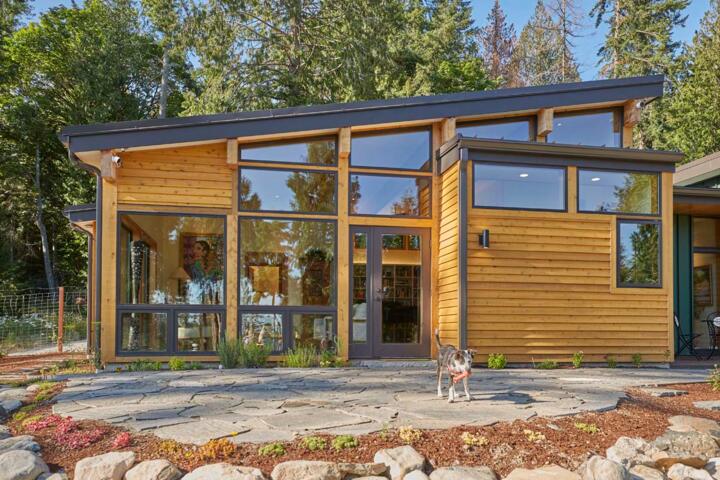
Western red cedar in particular contains natural oils that deter decay and insects. Properly sealed, cedar siding maintains flexibility and sheds water naturally. Expect 20-30 years of service life, with routine oil-based sealant every 3-5 years to keep performance tight. Hand trimming and custom milling can craft tight panel fits that resist wind infiltration better than mass-produced profiles.
Cedar climate issues? Excessive moisture can cause blossoming mildew; ventilation gaps mitigate this.
Composite Siding
Composite sidings blend recycled plastics with wood fillers, creating panels with durability, color retention, and low upkeep. TimberTech delivers variants that resist moisture absorption under 1% by weight, with warranties up to 25 years against rot. Their smooth finish mimics painted wood without flaking, an improvement over earlier composites prone to swelling.
Concrete Panels
Concrete siding has moderate thermal mass beneficial for temperature regulation in hot climates and offers excellent resistance to wind-driven rain and fire. While pricey—up to $15/sq ft installed—it rarely demands maintenance beyond occasional cleaning.
Insulated Vinyl Alternatives
Vinyl siding gains sustainability if combined with foam backing for thermal insulation and thicker material for robustness. Certain products from Mastic even meet impact resistance standards for hurricane zones. Choose with forethought; otherwise, vinyl’s environmental cost and damage rates can be high.
Natural Stone and Brick Veneers
Though heavy and installation-intensive, these materials resist all forms of weather stress without degradation. Shell Rock Stone offers thin stone veneer panels, reducing weight and cost, usable in snowy and windy environments. They perform a heavy aesthetic upgrade with century-scale durability.
Lime Plaster Coatings
Traditional lime plaster applied over stone or masonry boasts water permeability and self-healing mineral properties. Though often applied in historic renovations, modern formulations can be adapted for energy-efficient exteriors where moisture cycling is an issue.
Real World Examples
A Vermont co-housing community replaced vinyl siding with fiber cement panels in 2018 after repeated freeze cracks damaged exteriors. Within 2 years, exterior maintenance dropped by 70%, and energy bills decreased 8% due to better insulation properties combined with tight joints. Local contractors recommended HardiePlank with a water-resistive barrier (WRB) installed behind it.
Another case: a coastal Texas home suffered rust damage on aluminum siding after brutal hurricanes in 2020. Switched to recycled steel panels treated with WeatherXL coatings, and installed by a firm specializing in coastal materials. After 3 years of hurricanes and 120+ mph winds, panels showed minor scuffs but no structural compromise, saving thousands in potential replacements.
Material Comparison
| Material | Durability (Years) | Resistance | Avg Cost/Sq Ft |
|---|---|---|---|
| Fiber Cement | 40-50 | Water, Fire, UV | $5–$10 |
| Engineered Wood | 25-35 | Moisture, Insects | $4–$8 |
| Recycled Metal | 30-40 | Impact, Wind, Fire | $7–$12 |
| Cedar | 20-30 | Decay, Insects | $6–$11 |
| Composite | 25-35 | Moisture, UV | $6–$10 |
Common Siding Errors
Choosing siding based solely on appearance ignores climate resilience. I see many homeowners regret opting for untreated wood in hurricane zones; the wood swells and cracks, then rots. In coastal areas, skipping proper corrosion-resistant coatings on metals cuts their lifespan in half. Installing without a moisture barrier behind siding invites water intrusion and mold growth, a risk often missed.
Improper fasteners also ruin the siding's wind resistance. In one project last winter, a crew used steel nails prone to rust instead of stainless steel ones, leading to early panel loosening.
Ignoring ventilation gaps leads to trapped moisture and blistered paint. Don't cut corners by overlapping panels tightly because after a heavy rain, the siding can't dry out fast enough.
Paint misuse is another. Avoid oil-based paints on fiber cement; they peel quickly. Latex paints with acrylic binders bond better and last five years longer on the same material.
FAQ
What siding lasts longest in hurricanes?
Fiber cement and coated recycled metal stand up best. Both resist impacts and wind speeds over 100 mph when installed with proper fasteners.
Is eco-friendly siding more expensive?
Some sustainable options cost more upfront but save on maintenance and replacement. Consider lifecycle cost, not just purchase price.
Can I install durable siding myself?
Complex materials like fiber cement typically need professional tools and skills to avoid damage. Simpler composites or metal panels might be DIY-friendly if instructions are followed precisely.
How often should cedar be sealed?
Every 3-5 years, depending on exposure. Use penetrating oil-based sealants to maintain water repellency and color richness.
Do insulated vinyl Sidings help energy bills?
They improve thermal performance modestly by adding R-values around 2-3. However, combined with proper insulation beneath, benefits compound.
Author's Insight
Years of siding installations taught me that no material is perfect, but fiber cement strikes a great balance for most climates. I prefer the HardiePlank line for its ease of maintenance and fire resistance, which, honestly, most people underestimate. The trade-off includes careful cutting to avoid fiber falling apart during install, which can slow progress. For coastal homes, I push for metal panels with resin coatings able to handle salt air without rust. Hands-on experience says weather resistance relates as much to installation quality as material choice.
What to Remember
Pick siding designed to withstand your local weather’s unique threats, and match it with correct installation and protective treatments. Sustainable options like fiber cement, engineered wood, and coated metals deliver decades of maintenance-light protection. Look past initial cost, factoring in durability and energy savings. Do not neglect moisture barriers or proper fasteners to extend material lifespan. The right siding reduces damage, saves money over time, and lowers environmental impact—a smart investment against nature’s forces.