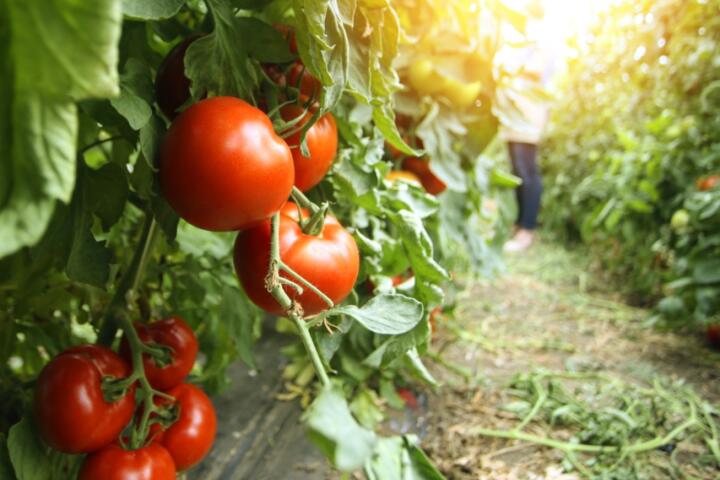
Evaluating Garden ROI
The transition from consumer to producer is often romanticized, but the math is unforgiving. To understand the economics of a home garden, one must look at the "replacement value" of the crops produced. If you grow 10 lbs of heirloom tomatoes that retail for $5.00/lb at Whole Foods, your gross yield is $50.00. Subtracting the cost of a $6.00 seedling and $4.00 in soil amendments leaves a net profit of $40.00.
Practical experience shows that efficiency varies wildly by crop choice. A 100-square-foot plot dedicated to zucchini and salad greens can realistically produce $600 worth of produce in a single season. However, the same space dedicated to corn—which is cheap to buy in bulk—might only yield $40 worth of food while consuming more water and nutrients.
Data from the National Gardening Association suggests that a well-maintained vegetable garden can yield a return of roughly $600 annually after expenses. However, this requires a strategic shift from "growing what looks fun" to "growing what costs the most at the register."
Common Financial Pitfalls
The most significant mistake novice growers make is the "Premium Trap." This involves purchasing high-end raised bed kits from retailers like Williams Sonoma or Pottery Barn, which can cost $500 before a single seed is planted. When you add specialized fertilizers and designer tools, the "cost per tomato" can easily exceed $20 in the first year.
Failure to account for hidden costs like water utility spikes and pest management often leads to abandoned plots. In arid regions, the cost of municipal water required to keep a thirsty garden alive can sometimes exceed the market price of the vegetables themselves. This creates a "sunk cost" scenario where gardeners continue to spend money to save a crop that isn't worth the investment.
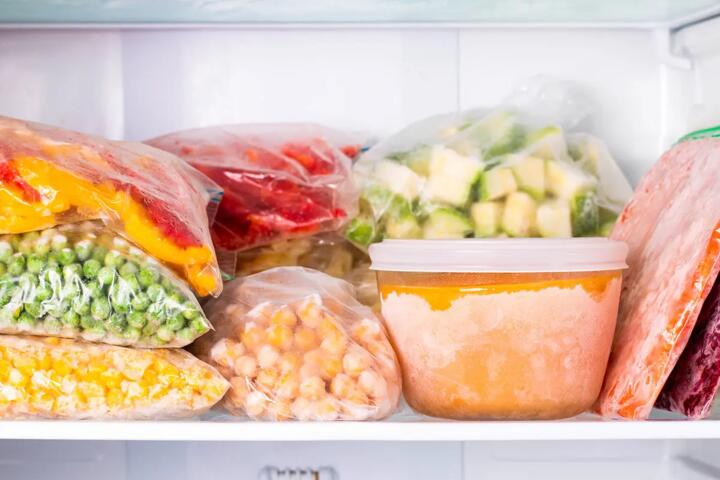
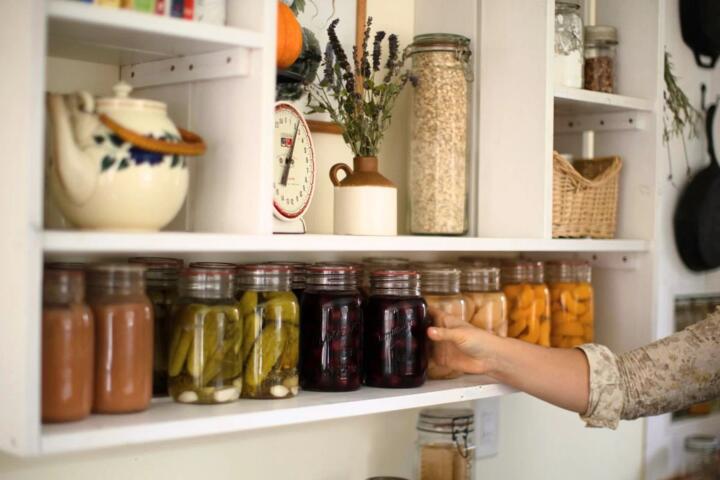
Real-world situations often involve over-planting. A family of four cannot realistically consume 15 cucumber plants' worth of fruit simultaneously. Without a preservation strategy—involving Ball jars or a Harvest Right freeze dryer—the excess produce rots, representing a total loss of the labor and capital invested in those specific plants.
Strategic Growth Tactics
Focusing on High-Value Perennials
Perennial crops like asparagus, raspberries, and rhubarb are the "blue-chip stocks" of the garden. Unlike annuals that require yearly seed purchases and soil tilling, perennials provide yields for 10 to 20 years after a one-time initial investment. For example, a $50 investment in 20 asparagus crowns can yield 15 lbs of spears annually for two decades, saving thousands in grocery bills over the lifetime of the plant.
Utilizing Vertical Space Systems
Vertical gardening using GreenStalk towers or Tower Garden aeroponic systems maximizes yield per square foot. This is crucial for urban environments where land is expensive. By growing upward, you can produce 30+ plants in a 2-foot diameter space. This method significantly reduces the "cost of space" and makes pest control more manageable, leading to higher success rates and lower crop loss.
Implementing Smart Irrigation Tech
Water is often the largest recurring expense. Installing a drip irrigation system with a Rachio smart controller can reduce water waste by 50%. These systems use local weather data to skip watering cycles when it rains. By targeting water directly at the roots, you also reduce weed growth, which saves money on herbicides and labor time.
Mastering Seed Starting Internally
Buying "starts" or seedlings from The Home Depot or local nurseries costs $4 to $6 per plant. A packet of 50 seeds costs about $3. Investing in a Spider Farmer LED grow light and a simple heat mat allows you to produce 100 plants for the price of 10 nursery transplants. This 90% reduction in plant procurement costs is the fastest way to make a garden profitable.
Soil Regeneration via Composting
Buying bagged soil every year is a recurring liability. Using a Joraform tumbler or a simple DIY worm bin (vermicomposting) turns kitchen scraps into "black gold." High-quality organic compost retails for $15–$25 per bag; producing 10 bags' worth of compost at home provides a $200 annual subsidy to the garden's budget while improving plant health and yield.
Strategic Selection of "Luxury" Crops
To maximize savings, focus on crops that have a high price-to-weight ratio. Herbs like basil, cilantro, and rosemary are expensive at the store (often $3 for a small plastic clamshell) but grow like weeds. Replacing four herb purchases a month with home-grown varieties saves $144 a year with almost zero effort or space requirement.
Using Integrated Pest Management
Chemical pesticides are expensive and degrade soil health. Utilizing "beneficial insects" from suppliers like Arbico Organics—such as ladybugs or lacewings—creates a self-sustaining ecosystem. While there is an upfront cost for the insects, they prevent the total crop failures that often wipe out a gardener's entire seasonal investment.
Productivity Case Studies
The Miller family in suburban Ohio transitioned 400 square feet of lawn into a managed vegetable plot. Initially, they spent $1,200 on cedar beds and soil. In year one, their yield was valued at $450, resulting in a net loss. However, by year three, using saved seeds and home-made compost, their annual expenses dropped to $80 while their yield increased to $950 in organic-equivalent produce. Their "break-even" point was reached at month 26.
An urban gardener in Seattle utilized Vego Garden modular metal beds on a small patio. By focusing exclusively on "cut and come again" salad greens and microgreens, they replaced a $15 weekly organic salad habit. With a total setup cost of $300, the system paid for itself in exactly 20 weeks. The recurring cost is now limited to roughly $2 per month for organic liquid fertilizer.
Efficiency Checklist
| Action Item | Estimated Cost | Economic Impact | Recommended Tools |
|---|---|---|---|
| Seed Starting | $100 - $200 | Saves 80% vs buying transplants | Ferry-Morse, Mars Hydro |
| Composting | $0 - $150 | Eliminates $100+ annual soil costs | Envirocycle, Worm Factory |
| Drip Irrigation | $50 - $300 | Reduces water bill by 30-50% | Rain Bird, Orbit |
| Perennial Planting | $10 - $20/plant | 10+ years of "free" food | Stark Bro’s, Gurney's |
| Vertical Expansion | $150 - $600 | Triples yield per square foot | Garden Tower Project |
Avoiding Costly Errors
Over-fertilization is a common "money pit." Gardeners often buy multiple specialized bottles for different growth stages. A simple, high-quality organic all-purpose fertilizer like Dr. Earth or Espoma Tone is usually all that is needed. Using too much fertilizer not only wastes money but can "burn" plants, leading to stunted growth or death.
Another error is ignoring the "labor-to-yield" ratio. If you spend 10 hours a week weeding a patch of potatoes that only saves you $20 a month, you are effectively working for $0.50 an hour. To avoid this, use mulching techniques with straw or Cardboard to suppress weeds and retain moisture, drastically cutting the time investment required to maintain the garden's value.
Finally, avoid "Gadget Obsession." There is an endless supply of garden tech—from solar-powered ultrasonic pest repellers to Bluetooth soil moisture sensors. Most of these provide marginal utility compared to basic observation and manual care. Stick to the fundamentals of soil health, light, and water before investing in electronics.
FAQ
Is it cheaper to grow or buy organic vegetables?
If you manage your own compost and start from seed, growing organic is significantly cheaper. Organic bell peppers often retail for $2.50 each, while a single $3 seed packet can produce 20+ peppers across several plants.
What is the most profitable vegetable to grow?
Indeterminate tomatoes and loose-leaf lettuce varieties consistently offer the highest ROI because they produce continuously over a long season and have high retail price points for organic versions.
Does gardening increase home value?
Well-maintained, professional-looking raised beds and fruit trees can add to curb appeal, but messy, overgrown plots can actually detract from property value. Permanent infrastructure like greenhouses from Palram often adds the most value.
How much time does a "profitable" garden take?
A highly efficient 200-square-foot garden requires approximately 2 to 4 hours of maintenance per week once established. Automation via irrigation timers is the key to keeping this time-investment low.
Can I save money gardening in an apartment?
Yes, but the focus must shift to high-cost items like herbs and microgreens. Using a Click and Grow or AeroGarden indoors can provide fresh herbs year-round, which pays for the device within 8-12 months of use.
Author’s Insight
In my decade of managing both small-scale backyard plots and larger homestead gardens, I've found that the "profit" isn't just in the produce, but in the supply chain security. I once tracked every cent spent on a 50-foot row of heirloom tomatoes and found my cost was $0.18 per pound, compared to $4.99 at the market. My best advice: don't try to grow everything. Treat your garden like a business—audit your grocery receipts, identify the most expensive items you buy regularly, and master the production of those five things first.
Summary
The economics of home gardening are favorable only when approached with discipline and a focus on high-value crops. By avoiding expensive aesthetic kits and prioritizing soil health, seed starting, and perennials, a household can realistically shave 15-20% off their annual grocery expenditure. The key is to start small, automate where possible with tools like smart timers, and view the garden as a long-term asset rather than a one-season experiment. Success lies in the transition from a hobbyist mindset to that of a strategic producer.