Understanding SIPs
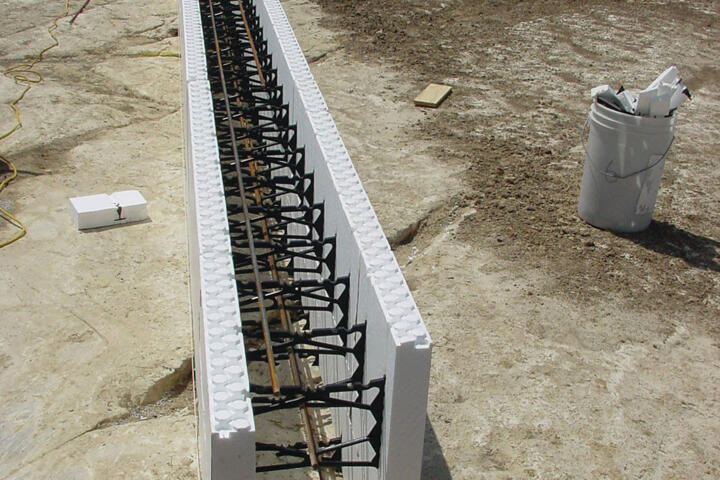
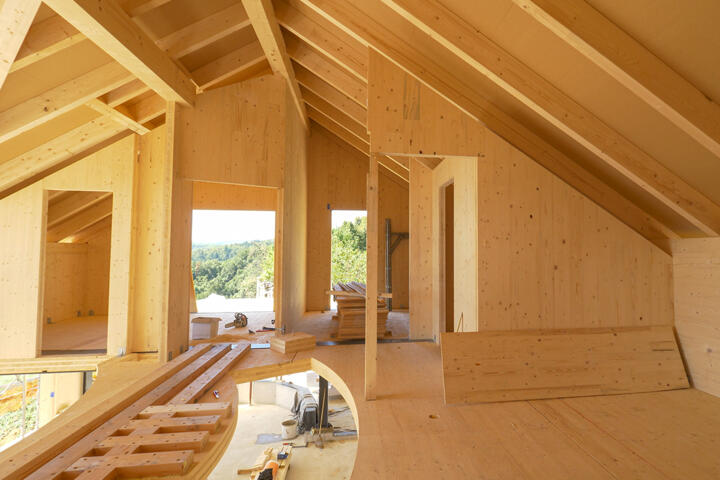
SIPs combine insulation and structural support in one panel, reducing the need for separate framing, drywall, and insulation installation. Panels range in thickness from 4 to 12 inches, with polyurethane, polyisocyanurate, or expanded polystyrene foam as the core.
For example, companies like Premier SIPs and Insulspan produce panels with R-values between 14 and 50, surpassing typical stick-frame assemblies. This results in walls that are not only faster to erect but also provide superior air-sealing and thermal performance.
In practical terms, a framed wall that takes weeks to raise can be installed with SIPs in days. For instance, builders report reducing framing time by up to 60% by switching to SIPs, according to a 2022 survey by the Structural Insulated Panel Association (SIPA).
Traditional Build Issues
Fragmented Construction Processes
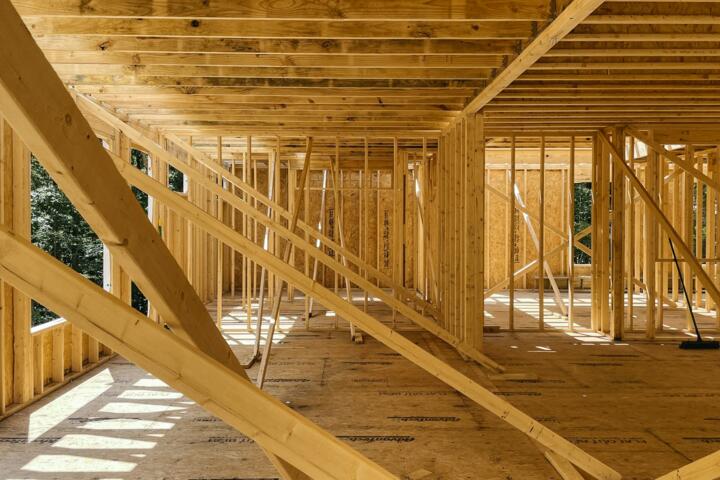
Traditional construction with stick framing involves multiple trades: carpenters, insulators, drywall installers. This fragmentation often causes scheduling conflicts and delays.
Weather Dependency
Open framing requires extended weather exposure, leading to moisture issues, material damage, and work stoppages, especially in rainy or cold climates.
Energy Inefficiency Leading to Rework
Poorly insulated or air-leaky walls can cause problems passing energy code inspections, necessitating costly remediation after framing.
Consequences
These challenges increase total build time, raise labor costs, and compromise building durability and occupant comfort. For example, a mid-sized custom home can see framing delays adding weeks and thousands of dollars to the budget.
Effective SIP Solutions
Choose Factory-Precision SIPs
Use panels from established brands like R-Control SIPs or Extreme Panel Technologies to ensure dimensional accuracy that speeds on-site assembly.
Why it works: Precision-cut panels fit flawlessly, minimizing on-site adjustments and reducing labor time.
Coordinate Pre-Installation Planning
Work closely with SIP manufacturers to design panels with embedded electrical chases and plumbing cavities.
Why it works: This minimizes on-site cutting and modifications, streamlining inspections and installations.
Train Workforce on SIP Assembly Methods
Invest in hands-on training or certified installer programs provided by companies like SIPA.
Why it works: Skilled installers reduce assembly errors, accelerate panel placement, and maintain structural integrity.
Use Compatible Accessories and Fasteners
For instance, using structural fasteners such as Simpson Strong-Tie SIP fasteners increases connection durability.
Why it works: Proper fasteners maintain panel stability and meet building code requirements.
Implement Weather-Resistant Barriers Immediately
Apply house wraps and sealants right after panel installation to protect from moisture.
Why it works: Reduces risk of mold and water damage, enabling subsequent trades to proceed without weather-related delays.
Leverage Builder Support Services
Companies like Enercept offer on-site training, design consultation, and construction support to optimize SIP use.
Why it works: Expert guidance helps avoid pitfalls and enhances build quality, saving time and money.
Case Studies: SIPs
Case 1: GreenBuild Contractors
Problem: Faced a 6-week framing delay on a 3,000 sq ft residential project due to labor shortages and weather interruptions.
Solution: Switched to Premier SIPs panels for walls and roof, utilizing embedded electrical chases and coordinated deliveries.
Result: Framing reduced from 6 weeks to 2.5 weeks, cutting labor costs by 35% and accelerating project completion by one month.
Case 2: Alpine Homes
Problem: A cabin build in a northern climate suffered from air leakage and condensation issues leading to costly rework.
Solution: Adopted Insulspan SIPs with a 10-inch polyurethane core and immediate house wrap application.
Result: Achieved an airtightness of 0.1 ACH (air changes per hour) at 50 Pa pressure, well below the energy code requirement of 3 ACH. Build time reduced by 25% due to simplified framing.
Brand Comparison
| Brand | Core Material | R-Value | Specs & Features |
|---|---|---|---|
| Premier SIPs | EPS Foam | 14–45 | 4"-10" thick. Electrical chases included. |
| Insulspan | Polyurethane | 18–50 | 4"-12" thick. High structural strength. |
| R-Control | Polyiso | 16–42 | 4"-8" thick. USGBC certified product. |
Common Mistakes to Avoid
Ignoring Proper Panel Handling
Poor storage or rough handling damages panels. Avoid by storing off-ground under tarps and training crew on safe transport methods.
Skimping on Sealants and Tapes
Neglecting airtight sealing reduces SIPs’ performance. Use manufacturer-recommended tapes and continuous sealants on all joints.
Overlooking Design Coordination
Failing to integrate SIP dimensions into architectural plans causes field modifications, slowing projects. Coordinate early with manufacturers.
Underestimating Training Needs
Inexperienced installers prolong assembly time and increase errors. Mandate training sessions or hire certified pros.
FAQ
What are the main benefits of using SIPs?
SIPs speed up construction by combining framing, insulation, and sheathing into one product, improving energy efficiency and reducing labor costs.
How much faster is building with SIPs compared to traditional framing?
Builders typically report 40-60% reductions in framing and insulation installation time when using SIPs.
Are SIPs suitable for all climates?
Yes, SIPs perform well in varied climates due to high R-values and airtightness, but core thickness and panel specification should adjust accordingly.
Do SIPs require special tools for installation?
Standard construction tools suffice, but specialized fasteners and training improve efficiency and ensure code compliance.
Can SIPs be customized to architectural designs?
Yes, most manufacturers offer custom panel sizing and cut-outs for windows, doors, and utilities to fit project specifications.
Author's Insight
Having supervised multiple SIP-based projects, I’ve witnessed firsthand how they transform build timelines and energy performance. Proper planning and training cannot be overstated; skipping these steps erodes potential gains. Collaboration with manufacturers early in the design phase unlocks the full benefit of SIP technology. For builders looking to innovate beyond stick frame, SIPs offer a reliable pathway to faster, higher quality, and more energy-efficient construction.
Summary
Structural Insulated Panels streamline construction by integrating insulation and structure, reducing build time by up to 60%. To maximize success, select precision-manufactured panels, prioritize training, use recommended accessories, and coordinate design early. Companies like Premier SIPs and Insulspan provide reliable products and support services that can turn delayed projects into timely successes. For builders seeking rapid, energy-efficient builds, SIPs are a proven, cost-effective solution.