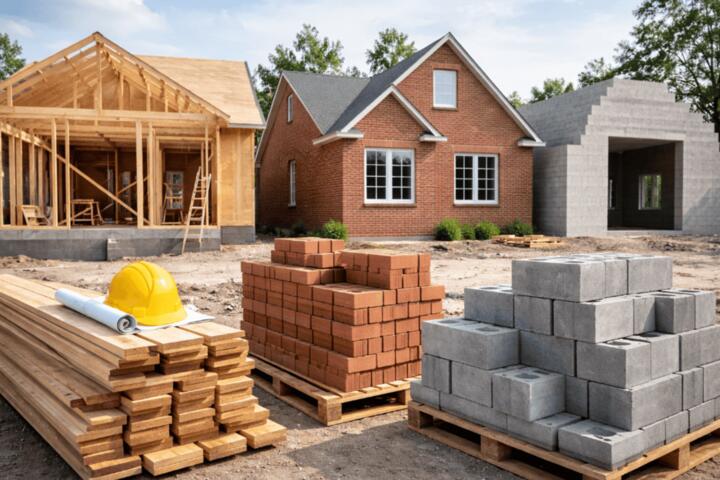
Building Versus Buying
Building and buying both end with a deed, but the path changes your cash flow, schedule risk, and control over design. A purchase often delivers faster occupancy, while a build shifts effort into planning, permitting, contractor management, and inspections. The decision matters most when you have a fixed move date, a tight budget, or a specific layout requirement that listings rarely match.
Start by separating three timelines: when you can move in, when you can start paying principal and interest, and when you face ongoing costs like maintenance, insurance, and utilities. If you are renting during the process, the rent period becomes part of the comparison. If you are selling an existing home, the sale contingency and closing dates can dominate the schedule, even when construction stays on track.
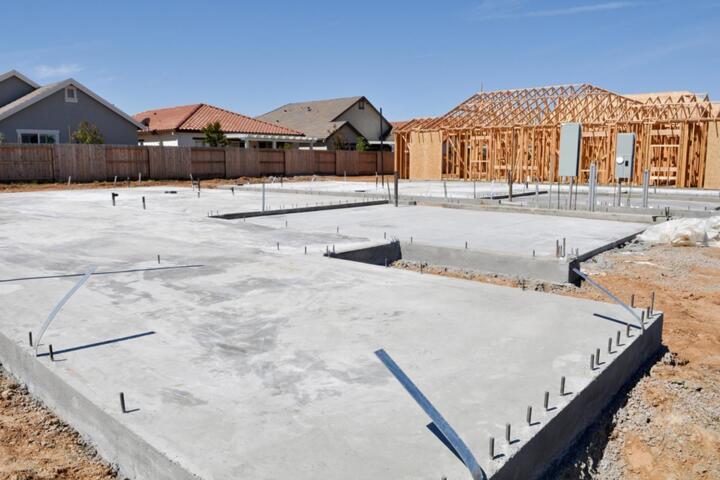
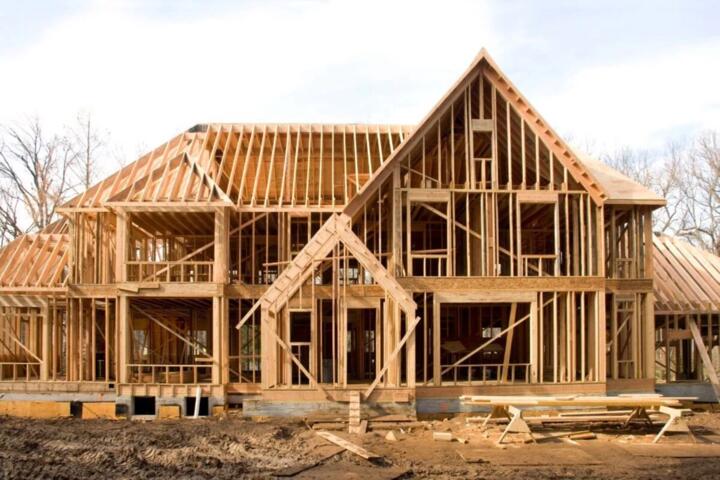
For a concrete example, a typical listing purchase may close in weeks to a few months, while a new build can involve permitting, site work, foundation, framing, inspections, and final approvals. Those steps vary by location and contractor capacity, so you need local estimates rather than generic timelines. I once saw a project schedule slip because the electrical rough-in inspection was booked weeks out, which is the kind of delay that rarely appears in marketing timelines.
How To Decide
Run A Total-Cost Comparison
Build a simple spreadsheet with line items for both options. Include purchase price or construction contract price, closing costs, lender fees, appraisal fees, title and escrow, inspection costs, and any required repairs before move-in. For a build, add permit fees, site prep, utility connection fees, impact fees if applicable, and contingency for change orders.
Use a contingency range that matches your risk tolerance. Many homeowners choose 10% to 20% contingency for builds, but the right number depends on how fixed your plans are and how many selections remain. If you are still choosing finishes late in the process, the contingency needs to cover both cost and schedule impacts. I have seen budgets tighten because a “small” upgrade to a kitchen layout triggered electrical and plumbing revisions, which then required additional inspections.
Model cash flow, not just totals. If you expect to pay rent for six months while waiting for occupancy, add that rent and renter’s insurance to the build scenario. For financing, ask your lender how interest accrues during construction and whether the loan converts to a permanent mortgage automatically at completion.
Check Timing And Permits
Ask for a written schedule with milestones, not a single target date. For a build, request the sequence of inspections and the typical lead times for each stage, including foundation, framing, mechanical rough-in, insulation inspection, and final certificate steps. For a purchase, request the seller’s timeline for repairs, any lease end dates, and whether the home is subject to inspections or appraisal conditions.
Contact your local building department or check their published guidance for plan review and permit issuance timelines. Some jurisdictions publish average review times, while others do not, so you may need to ask directly. If you are in a homeowners association area, review architectural approval timelines too, since those approvals can run in parallel with building permits.
Track dependencies that can stall both paths. Utility connection delays, driveway permits, and stormwater requirements can affect occupancy even when construction finishes. If you are building near property lines, setbacks and easements can trigger revisions after survey review.
Compare Financing And Risk
Construction loans often involve interest-only payments during the build period, plus draw inspections. Ask whether you must bring additional funds if a draw is delayed or if costs exceed the loan amount. For purchases, ask about rate locks, appraisal gaps, and whether the lender requires repairs before closing.
Review contingencies in contracts. A purchase contract may include inspection contingencies, financing contingencies, and appraisal contingencies. A construction contract may include change order terms, schedule remedies, and warranty coverage. Read the sections that define who pays for delays caused by weather, material shortages, or permit review changes.
Keep an eye on warranty scope. New builds often include builder warranties, but coverage can exclude certain items or require maintenance records. Purchases may come with seller disclosures and, in some cases, a home warranty, though those warranties vary widely in what they cover and how claims are handled.
Use A Selection Strategy
Design choices can become schedule risk. If you want custom cabinetry, specialty windows, or a nonstandard roof shape, confirm lead times with suppliers before signing a final contract. A practical approach is to lock structural and mechanical decisions early, then finalize finishes after key inspections. This reduces the chance that a late finish choice triggers rework.
For a purchase, selection strategy looks different. You may not control the layout, but you can plan for updates with a phased budget. If you plan to replace flooring, paint, and lighting, estimate the timeline and disruption so you do not treat “move-in ready” as “done.”
As a small aside, I once reviewed a build schedule labeled “Version 3.2” that still had unresolved electrical panel placement. That kind of document versioning is a clue that decisions were still moving, which often correlates with change orders.
Case Examples
Example 1: Purchase With Repairs
A couple finds a three-bedroom home listed at $420,000. The inspection flags a roof replacement within two years and a dated HVAC system. They estimate $18,000 for roof work and $9,000 for HVAC replacement, then negotiate a credit of $12,000. Their lender requires an appraisal, and the appraisal comes in at $410,000, creating a small gap they cover with cash.
They compare this to building a similar layout at $485,000 with a 12-month schedule. The build option includes a 15% contingency and a construction loan with interest-only payments during draws. In their spreadsheet, the purchase scenario costs less overall, but the build scenario reduces near-term repair uncertainty and gives them control over energy efficiency choices.
Example 2: Build With Permit Delays
A family signs a construction contract for a new build with an expected completion date in eight months. During plan review, the building department requests changes to the stair configuration and requires an updated structural calculation. The contractor revises drawings and resubmits, which adds about six weeks to the permit timeline.
The family had planned to move in after drywall completion, but the delay pushes occupancy into the next season. They also face higher costs because some materials they selected increased in price since the contract date. Their final decision depends on whether their contract includes a cost escalation clause and whether the lender allows an extension without penalties.
Decision Checklist And Table
Use this checklist to compare the two paths using the same yardstick. If an item does not apply, mark it as not applicable rather than leaving it blank.
| Decision Factor | Building | Buying | What To Ask For |
|---|---|---|---|
| Total cost | Contract price plus permits, site work, and contingency | Purchase price plus closing costs and repair budget | A line-item budget and a repair estimate with scope |
| Schedule risk | Permits, inspections, and material lead times | Inspection findings, appraisal, and seller timelines | A milestone schedule and contingency plan for delays |
| Financing cash flow | Draws and interest during construction | Interest starts after closing | A draw schedule and rate lock terms |
| Control over design | Layout and systems chosen from scratch | Layout fixed, updates phased later | A list of what is fixed versus changeable |
| Warranty and recourse | Builder warranty with exclusions and claim steps | Seller disclosures and any home warranty terms | Warranty documents and claim timelines |
- Write your move-in date as a hard constraint, then list what happens if it slips by 30, 60, and 90 days.
- List your non-negotiables: layout, commute, school zone, accessibility needs, and energy goals.
- Collect documents: construction contract scope, permit status (if building), inspection reports (if buying), and lender loan estimates.
- Budget for uncertainty: contingency for builds, repair allowance for purchases, and a separate buffer for both.
- Compare financing cash flow month by month, including rent or storage costs during the gap.
- Check contract language for change orders, delay responsibility, and cost escalation rules.
Common Mistakes
One mistake is treating a construction bid as a fixed price without reading the change order rules. If the contract allows adjustments for material costs or design changes, your “final” number can move. Ask how the contractor handles price changes for lumber, steel, or electrical components, and whether the contract caps escalation.
Another mistake is skipping a detailed inspection plan for a purchase. A general home inspection helps, but you may need targeted specialists for older wiring, structural concerns, or moisture issues. If you rely only on a seller’s disclosure, you can miss defects that do not show up during a short walkthrough.
People also underestimate how long it takes to select finishes and how that affects ordering. If you choose items late, the contractor may swap to whatever is available, and that can change both cost and appearance. A build schedule can look fine until selections stall, which then delays ordering and inspections.
Finally, avoid comparing options without using the same assumptions. If you assume a build will finish in eight months but assume a purchase will close in four weeks, you are comparing wishful timelines. Use documented estimates and add a delay buffer that matches your tolerance for disruption.
FAQ
How Do I Compare Total Costs?
Add purchase or contract price, closing or permit fees, inspections, insurance, and a contingency or repair allowance. Then model cash flow month by month, including rent or mortgage payments during the gap.
What Documents Should I Review?
For buying: inspection reports, seller disclosures, appraisal conditions, and the loan estimate. For building: the contract scope, schedule, change order terms, warranty documents, and permit status or approvals.
How Do Permits Affect Timing?
Plan review can require revisions, and inspection appointments can be booked out. Ask for a milestone schedule and confirm typical review and inspection lead times with your local building department.
Do Construction Loans Change Cash Flow?
Construction loans often disburse funds in draws and may accrue interest during the build period. Ask your lender for the draw schedule and how interest is calculated until conversion to a permanent mortgage.
Which Option Has More Hidden Risks?
Purchases tend to hide deferred maintenance and condition issues discovered during inspections. Builds tend to hide schedule delays, change orders, and material lead times. Both paths include uncertainty, so compare risk using a contingency budget.
Author's Insight
Building and buying differ less in the end result than in where uncertainty sits. Purchases concentrate uncertainty in the property condition and contract contingencies, while builds concentrate uncertainty in permitting, scheduling, and change order management. A practical comparison uses the same spreadsheet categories for both paths, then adds a cash flow model for the months before occupancy. If you want a decision you can defend later, document assumptions and request written schedules and contract terms before committing.
For readers planning a health-related move, the same logic applies to timing and disruption: delays can affect caregiving routines, school schedules, and access to services. That means your “move date” should be treated as a constraint, not a hope.
Key Takeaways
Compare total cost and cash flow, not just purchase price or contract price. Use written schedules and contract terms to measure schedule risk and delay responsibility. Budget for uncertainty with contingency or repair allowances, then align financing assumptions with how interest and draws work. Choose the path that matches your tolerance for disruption and your need for design control.