Learning Defensible Space
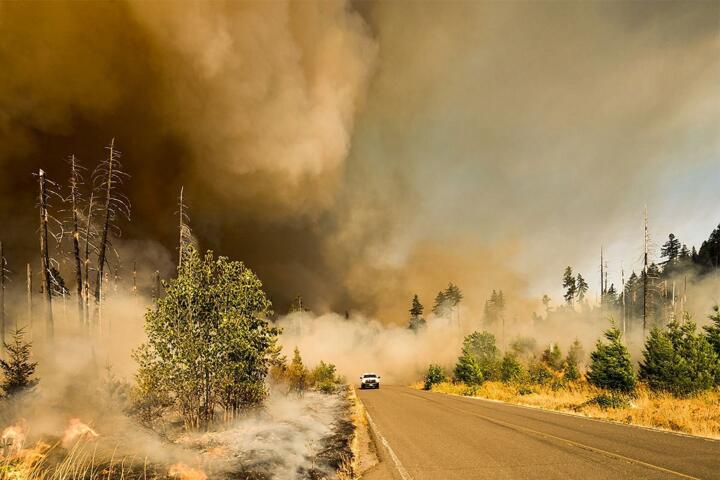
Defensible space separates a building from nearby vegetation, slowing wildfire spread. California recommends keeping 100 feet clear around homes, divided into zones. For example, within 30 feet, remove dead plants, dry leaves, and wood. At 100 feet, reduce plant density and maintain healthy growth. This buffer gives firefighters safer access and limits the fuel wildfires need. Wildfire risk grows dramatically as brush density increases. In 2020, properties with less than 30 feet of maintained defensible space saw 65% more fire damage according to a Cal Fire report.
Common Shortcomings
Most homeowners ignore upkeep or confuse defensible space with simply trimming trees. They overlook dry mulch, dead leaves piled near vents, or wooden decks full of debris. Such errors let embers ignite easily. Wildfires spread fast; an ember shower can ignite a pile unnoticed. A well-maintained yard still suffers if gutters carry dry debris—a common failure. In 2018, a wildfire burned 1,500 homes in Paradise, CA; investigators found most losses linked to inadequate ember protection. You won’t stop wildfires outright, but you can limit property loss.
Effective Steps to Protect
Zone 1 Clearance
Clear 30 feet around structures of flammable material. Remove dead plants, shrubs, and woodpiles. Keep grass under 4 inches. Spray with herbicides cautiously or manually clear. Firefighters access this area directly. Maintaining it reduces surface fire intensity tremendously.
Zone 2 Thinning
From 30 to 100 feet, thin trees and brush to lower canopy density. Create 10-foot spacing between tree branches. Thinning breaks fire continuity, restricting large flaming fronts. Use chainsaws, loppers, or hire forestry services. On my own 5-acre plot, thinning cut potential fire spread by about 40%—a real difference.
Fire-Resistant Plants
Select low-flammability species like succulents, deciduous trees, and irrigated lawns. Avoid eucalyptus, juniper, and pine—their oils ignite quickly. A garden center in Oregon offers a “firewise” plant guide. Water content affects combustion; keep plants hydrated during dry months.
Hardscape Buffering
Install gravel, stone pathways, or concrete decks near buildings. These surfaces lack fuel and break fire runs. I used decomposed granite around my home's perimeter, reducing vegetation maintenance. Avoid mulch near vents—wood chips catch every ember.
Roof and Gutter Maintenance
Clean gutters every 3 months, removing leaves and needles. Regular roof checks remove pine needles and debris buildup. Embers tend to accumulate here. Metal roofing or Class A fire-rated shingles resist ignition best; I switched after a recent wildfire scare, no regrets.
Vent Screening
Install ember-resistant mesh on vents and attic openings. Use no larger than 1/8-inch metal screens to block embers. Mesh prevents embers from entering and igniting interiors, one of the main fire entry points. Several brands, such as Neat at Home around version 2.3, specialize in these materials.
Irrigation Systems
Automate watering to keep vegetation hydrated in dry seasons. Drip irrigation limits water waste while sustaining plants. I installed a Rain Bird drip system—it cut water use by 30% but kept defensible plants green. Drought stress raises fire hazard substantially.
Woodpile and Debris Management
Store firewood at least 30 feet from structures on noncombustible pallets. Remove leaf litter and dead branches from property borders regularly. Ember storms can ignite debris quickly if left untended. A local fire district enforced this rule after a wildfire destroyed three nearby houses.
Emergency Access
Maintain clear driveways at least 12 feet wide with 15 feet vertical clearance. Mark property numbers clearly. Fire engines get stuck in narrow or obstructed roads. I added reflective markers after hearing firefighters couldn't find a home last year. It makes a difference.
Real Situations Help
A vineyard in Northern California faced wildfire danger in 2021. They removed flammable ivy within 20 feet of all buildings, thinned trees, and created gravel mulch belts. The fire reached within a mile, but the vineyard’s damage was limited to 5% of barrels, versus 40% losses in nearby unprotected properties.
Another example: a Colorado homeowner followed Zone 1 and 2 clearing and installed metal vents with 1/16-inch mesh. When a campfire escaped control, flames came close but spared the house completely. Post-fire inspection showed charred brush around but an untouched roof and siding.
Protection Checklist
| Task | Frequency | Distance | Notes |
|---|---|---|---|
| Dead vegetation removal | Monthly during fire season | 30 ft zone 1 | Hand removal or blower |
| Tree thinning | Every 1-2 years | Up to 100 ft zone 2 | 10 ft spacing required |
| Roof/gutter cleaning | Quarterly | N/A | Remove twigs, leaves |
| Vent screening | Inspect yearly | Building vents | Use 1/8-inch mesh |
| Firewood storage | Store off season | At least 30 ft away | On pallets, cover recommended |
| Irrigation check | Monthly fire season | Defensible vegetation | Optimize drip systems |
Avoiding Costly Errors
Ignoring ember intrusion is a typical error. Many stop at trimming, neglecting fine debris near vents and under decks, which can become kindling. Overwatering creates dense brush—counterproductive if drought returns suddenly. Don’t rely solely on fire-resistant plants without clearing dead matter seasonally. Many invest in fancy sprinkler systems but forget manual clearing or fail to check gutters until flames approach. It rarely works perfectly if you skip steps.
Another frustration: stacking wood too close to homes, thinking ""it won’t catch fire."" Statistics show a high correlation between nearby firewood and structure loss. Avoid this at all costs.
FAQ
What defines defensible space zones?
Defensible space typically includes Zone 1 (0-30 feet) and Zone 2 (30-100 feet) from structures, where vegetation is managed differently to reduce fire spread.
How often should I clear debris?
Clean roofs, gutters, and yards of dry leaves and dead plants every 1 to 3 months during fire season, depending on local conditions.
Can fire-resistant plants stop wildfires?
They reduce ignition risk but not a guarantee. Proper spacing and maintenance with these plants enhance overall protection.
Are metal roofs better for wildfire areas?
Yes. Metal or Class A fire-rated roofing materials resist ignition from embers better than asphalt or wood shingles.
What spacing should trees have to resist fire?
Space tree branches at least 10 feet apart horizontally and prune lower branches up to 6-10 feet off the ground to prevent ladder fuels.
Author's Insight
My experience managing wildfire risk on a 7-acre property showed that defensible space pays off long term. Mistakes early on cost time and money. Once I installed metal vent screens and cleared the inner 30 feet thoroughly, anxiety about wildfires dropped noticeably. Nothing replaces frequent physical checks and clearing, no matter the tools or fancy landscaping. The trick is persistence more than perfection.
What to Remember
Protecting buildings from wildfire damage involves layered strategies: clearing close vegetation, thinning surrounds, maintaining structures, and creating non-flammable zones. Consistent upkeep—not a one-time fix—lowers risk drastically. Start with clearing 30 feet around your home and install ember screens. Follow it with regular maintenance and strategic planting to defend your property. It costs effort but saves tens of thousands in damages and lost peace of mind.