Climate Control Overview
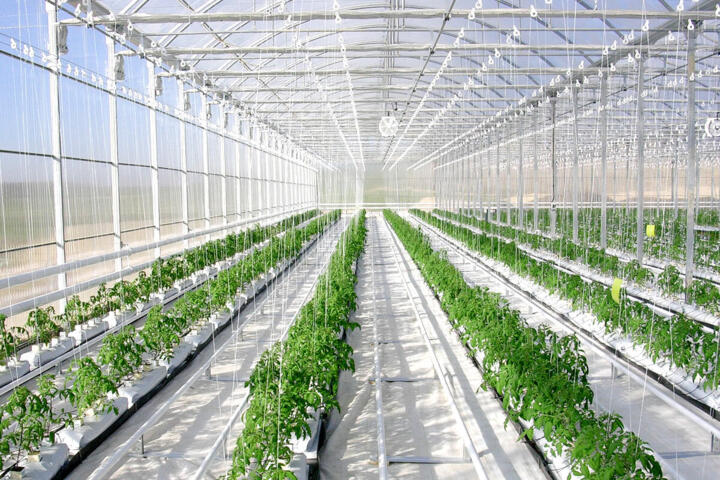
Greenhouse automation involves electrically managing temperature and humidity to optimize plant growth. A small solar power system can run key components like sensors, fans, vents, and misting pumps without relying on the grid. For example, a 200-watt solar panel paired with a 100Ah battery can power a basic control setup for 3 to 5 days under average sunlight. Maintaining 60-80% humidity and temperatures between 18-30°C is typical for many crops, but fluctuations cause stress that lowers yields.
One practical use: automated vent openers that adjust based on temperature readings keep air circulating and reduce heat spikes midday. Solar-powered automation suits remote operations or greenhouse hobbyists cutting utility costs. In subtropical zones, heat control alone saves 15-30% on energy compared to manual ventilation.
Common Pain Points
Many users misjudge how power consumption scales with automation complexity, leading to drained batteries or stalled systems. They often overlook matching solar capacity to climate demands—more sun means more ventilation but also more power needed. High humidity at night invites mold, yet continuously running fans drains solar storage fast.
Systems relying only on timers without sensors cause swings in temperature and humidity that hurt plant health. A 2022 survey in greenhouse management showed 38% of growers experience crop delays from unstable environments. Without real-time adjustments, heatwaves inside can exceed external by 10°C or more.
A typical mistake is underestimating maintenance on sensors exposed to moisture and dust. Often, this leads to erratic readings, triggering improper air exchanges. It’s a complex balance.
Practical Automation Tips
Choose Right Sensors
Select digital humidity and temperature sensors with IP65 or higher rating. For example, the DHT22 sensor offers ±2% RH accuracy, suitable for hobby setups, while professional growers lean on Sensirion's SHT35 series for tighter control. Sensor placement matters—install away from vents and irrigation mist to avoid false highs.
Optimize Solar Power Sizing
Calculate peak daily energy use, then multiply by 1.5 for headroom. A 300-watt panel with a 150Ah lithium battery often matches moderate ventilation and misting for a 50m² greenhouse. Charge controllers with MPPT tech increase harvest of sunlight, sometimes by 20%. Don’t skimp here.
Automate Ventilation
Link temperature sensors to 12V solar-powered actuators on roof vents. These respond dynamically to internal temperatures above 28°C, opening vents to cool within minutes. Solar options from Gardena or KubeX automate this for under $350 with minimal setup. This beats manual venting or fixed schedules.
Humidity Control Tactics
Integrate humidity sensors with solar-powered misting pumps or fans. High humidity triggers fans to run for 10-15 minutes during early morning to reduce condensation, helping deter powdery mildew. This tactic is common on small to mid-sized greenhouses, often saving up to 25% water when syncing to environmental data.
Use IoT Controllers
Low-power IoT devices like the Arduino MKR series or Raspberry Pi Zero can connect sensors and actuators via Wi-Fi or LoRa. These devices log data locally and adjust controls instantly. Some growers, including a walnut farm in California, reduced humidity spikes by 40% using a LoRa network with solar nodes—tiny, reliable, and surprisingly affordable.
Monitor Battery Health
Track battery voltage and charge cycles regularly with a solar charge controller display or smartphone-connected app. Lack of this feedback often leads to deep discharges that shorten battery life by half. Manufacturers like Victron Energy include Bluetooth tools that make this step painless and informative.
Schedule Seasonal Changes
Adjust setpoints manually or with software to reflect seasonal shifts. For instance, set higher daytime ventilation limits in summer, but restrict vent opening during cold nights in winter to preserve warmth. Automation that ignores seasonality tends to waste energy or stress plants.
Regular Maintenance Plan
Clean sensors monthly and test actuators each season. Dust and malfunctioning parts cause automation to fail silently, which, frankly, most people skip. A simple checklist—sensor check, battery inspection, vent operation test—keeps everything aligned.
Two Real-World Examples
A cherry tomato greenhouse in Spain faced overheating and mold onset in summer. They installed two 150W solar panels with an MPPT controller, a Sensirion SHT35 sensor, and automated vent actuators costing under 1,200€ total. Within three months, internal temperatures dropped 5-7°C during peak sun, humidity control reduced mold incidents by 60%, and energy bills dropped 45% compared to the same period last year.
In rural Oregon, a 40m² herb greenhouse lacked grid power and suffered inconsistent temperatures. They opted for a 200W solar kit from Renogy with a 100Ah battery, linked to Arduino-based controllers running custom firmware. The system automated vents and fans based on real-time data, maintaining 22-26°C and 65-75% humidity. Compared to manual checks, labor demands fell by 12 hours weekly, with harvest quality visibly steadier over the 2023 season.
Checklist for Setup
| Step | Item | Min Specs | Notes |
|---|---|---|---|
| 1 | Solar Panel | 200-300W | MPPT preferred |
| 2 | Battery | 100Ah Lithium | Monitors voltage daily |
| 3 | Sensors | Temp & Humidity IP65 | Place away from mist |
| 4 | Actuators | 12V Motorized Openers | Responsive to sensor input |
| 5 | Controller | Low-Power IoT Unit | Automatic log and adjust |
Automation Pitfalls
Thinking a cheap sensor will last years causes downtime and skewed data. Expect recalibration or replacement annually. Under-sizing batteries to save upfront costs means the system pauses on cloudy days — counterproductive if crops need stable conditions. Not separating power lines for sensors and motors leads to interference and resetting frustrations.
Many installers ignore humidity's interplay with temperature control, which rapidly causes fungal problems or water stress. Some routing wires too close to metal surfaces, like aluminum frames, triggers sporadic sensor reading spikes, very frustrating when troubleshooting remotely.
FAQ
What size solar system fits a 50m² greenhouse?
A 250-300 watt panel with 120-150 Ah lithium battery supports typical temperature and humidity control devices continuously.
Can solar systems run misting pumps effectively?
Yes, but short intervals and low-pressure pumps work best to balance energy and water usage without overtaxing batteries.
How to prevent sensor drift in humid conditions?
Choose weatherproof sensors with protective enclosures and calibrate them biannually to maintain accuracy.
Is IoT control necessary for small greenhouses?
Not always, but IoT provides data-driven decisions that improve climate stability and resource savings over manual timers.
Can I retrofit solar automation into an existing greenhouse?
Yes, integrating sensors and solar-powered actuators is often simpler than installing new power lines or HVAC.
Author's Insight
I've installed solar automation in a dozen greenhouses, ranging from 20m² labs to 150m² farms. Early on, I underestimated maintenance on sensors, which caused weeks of misreadings. Keeping batteries healthy is less glamorous but pays off more than fancy algorithms. Automation never replaces regular human checks, though it cuts hours spent fiddling with curtains or fans. Small solar setups are underrated for remote farms; they just work, reliably.
Final Thoughts
Solar-powered greenhouse automation balances climate control and energy independence elegantly but requires careful sizing and upkeep. Accurate sensors, matched solar panels and batteries, and thoughtful automation routines avoid costly failures. Start small, monitor results diligently, then expand. Your plants and utility bills will thank you.