Mudroom Introduction
A properly designed mudroom acts as the frontline defense against dirt, mud, and moisture invading your home. This article is for homeowners, interior designers, and builders seeking effective ways to minimize mess while increasing functionality. We address the common challenges in mudroom design and provide actionable strategies to enhance cleanliness and organization.
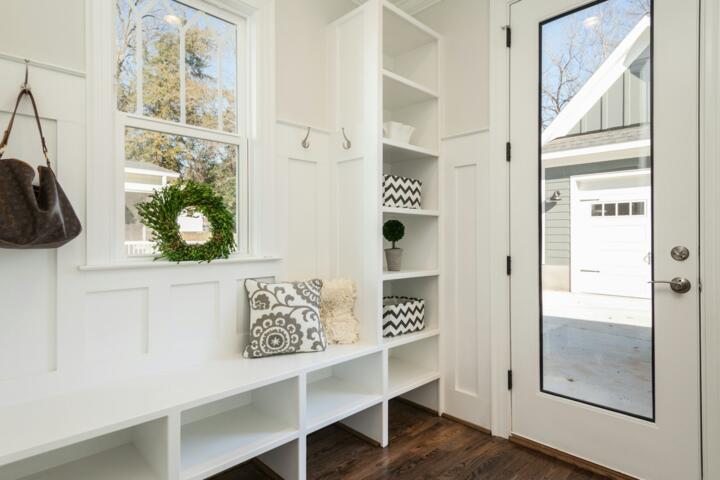
A mudroom is an entry space typically located at back or side doors where people can remove shoes, coats, and gear to prevent tracking dirt indoors. These rooms serve as a buffer zone, protecting the main living areas. Practical designs focus on durability and easy maintenance using materials like ceramic tile, vinyl plank flooring, and waterproof wall panels.
According to the Environmental Protection Agency, indoor air can be 2-5 times dirtier than outdoor air partly due to tracked-in contaminants. A mudroom reduces this risk by trapping grime before it enters.
Real-World Example
For instance, a family with three children in Minnesota installed a mudroom with a bench, waterproof flooring, and built-in cubbies from California Closets, which streamlined muddy boot removal and storage, reducing cleaning time by 30%.
Mudroom Design Problems
Lack of Dedicated Space
Many homes retrofit mudrooms into cramped entryways, resulting in clutter and ineffective dirt control. Without proper design, mudrooms become dumping grounds rather than functional spaces.
Poor Material Selection
Choosing carpet or hardwood flooring in mudrooms leads to accelerated wear and persistent stains. Non-waterproof materials trap moisture and promote mold growth.
Insufficient Storage and Organization
Failing to incorporate hooks, shelves, and benches creates disorganized spaces where items are left on floors, further spreading dirt.
Consequences
These mistakes lead to increased cleaning costs, health risks from allergens, and decreased home value. Families in wet or snowy climates suffer more as mud and water are rampant.
Effective Solutions
Optimize Layout for Traffic Flow
Position mudrooms near secondary entrances used most frequently. Princeton Architectural Press recommends zones for shoes, outerwear, and cleaning supplies to maintain order.
Select Durable, Waterproof Materials
Install porcelain tile or luxury vinyl plank flooring, which resists moisture and scratches. Brands like Armstrong and Mohawk offer products with slip-resistance and easy maintenance.
Incorporate Custom Storage
Use built-in cubbies, lockers, and benches with shoe racks. California Closets and IKEA’s PAX system offer customizable modules suitable for varying family sizes.
Add Cleanup Stations
Include utility sinks or hose attachments when possible. This addition allows rinsing muddy boots before storage, crucial in rural or farming households.
Improve Ventilation and Heating
Integrate vents or heat mats under flooring to dry wet footwear faster, reducing mildew. Companies like WarmlyYours provide electric radiant floor solutions ideal for mudrooms.
Use Outdoor-Grade Mats
Place heavy-duty mats such as those from WaterHog just outside and inside the mudroom door to catch the bulk of dirt before it reaches the floor.
Real-World Case Studies
Case Study 1: Suburban Family Home, Michigan
Problem: Muddy boots and wet coats tracked dirt into the house constantly.
Solution: Installed a 50-square-foot mudroom with ceramic tile flooring, built-in lockers, bench seating, and a utility sink.
Result: Household cleaning time reduced by 25%, and floor replacement costs deferred by 5 years according to the homeowner’s estimate.
Case Study 2: Urban Condo Renovation, Seattle
Problem: No designated mudroom space caused clutter and dirt in the hallway.
Solution: Converted a small closet near the entry into an organized mudroom using IKEA PAX modules with waterproof liners.
Result: Space efficiency improved dramatically, and the client reported fewer indoor allergens after six months.
Design Checklist
| Feature | Features & Benefits |
|---|---|
| Flooring | Porcelain tile or vinyl (Mohawk). Waterproof and durable. |
| Storage | Built-in lockers and benches. Reduces clutter and mess. |
| Entry Mats | WaterHog mats. Traps moisture before it enters the home. |
| Cleanup | Utility sinks. Allows rinsing muddy gear immediately. |
| Ventilation | Heat mats (WarmlyYours). Dries wet items quickly. |
Mistakes & Prevention
Underestimating Storage Needs
Fail to plan for family size and seasonal gear. Avoid by inventorying items before design.
Ignoring Floor Durability
Using hardwood or carpet can lead to rapid deterioration. Select materials rated for high moisture and traffic.
Neglecting Cleaning Access
Not including a sink or cleaning area forces dirt indoors. Adding a utility sink even in small spaces is essential.
Poor Ventilation
Leads to mold and odors. Integrate heat mats or fans to maintain dryness.
Lack of Defined Zones
Causes clutter and confusion. Divide mudroom into shoe, coat, and cleaning areas for better flow.
FAQ
What materials are best for mudroom flooring?
Porcelain tile and luxury vinyl plank are top choices for mudroom flooring due to their water resistance, durability, and ease of cleaning.
How can I keep my mudroom organized?
Use custom storage solutions such as built-in cubbies, benches with shoe racks, and hooks for coats and bags to keep your mudroom tidy.
Is a utility sink necessary in a mudroom?
While not mandatory, a utility sink greatly enhances functionality by allowing easy rinsing of dirty shoes and wet gear before entry.
Can a small space be converted into a functional mudroom?
Yes, even small spaces can work effectively with compact storage systems like IKEA PAX and waterproof materials.
What are the health benefits of having a mudroom?
Mudrooms reduce allergens, mold spores, and contaminants brought indoors, improving indoor air quality and reducing cleaning burden.
Author's Insight
From over a decade of advising homeowners on entryway designs, I've seen that a mudroom is often undervalued until dirt impacts the entire home. The key is thinking beyond aesthetics—materials, layout, and functionality matter equally. I recommend investing in waterproof and durable finishes and not skimping on storage. A good mudroom saves money over time in cleaning and maintenance. Involving professionals like California Closets for custom storage or HVAC experts for ventilation solutions can elevate the space dramatically.
Summary
Creating a functional mudroom requires thoughtful planning around durability, storage, and usability. Prioritize waterproof flooring like porcelain tile or vinyl plank, customize storage with built-ins or modular systems, and incorporate cleaning features such as utility sinks and mats. Proper ventilation and designated zones enhance comfort and hygiene. Following these expert-backed recommendations prevents tracked-in dirt, improves indoor air quality, and reduces maintenance costs while increasing home value.