The Symbiotic Cycle
At its core, this method mimics natural lake ecosystems where fish waste provides the primary nutrient source for plants. In a controlled environment, nitrifying bacteria act as the invisible engine, converting toxic ammonia into nitrates. This process doesn't just grow food; it creates a self-cleaning mechanism that allows for high-density planting in remarkably small footprints.
In my experience setting up systems in urban environments, I’ve seen 50-gallon tanks support enough leafy greens to feed a family of four year-round. Data from the Food and Agriculture Organization (FAO) suggests that these systems use about 10% of the water required for field crops, making them essential for drought-prone regions. A well-tuned system can produce 1 lb of tilapia for every 1.2 to 1.5 lbs of high-quality fish feed.
Nitrification: The Invisible Engine
The success of your harvest depends entirely on Nitrosomonas and Nitrobacter bacteria. These microbes colonize the surfaces of your grow media—like expanded clay pebbles or lava rocks. Without this biological filtration, ammonia levels spike, leading to fish mortality within 48 hours. Successful growers treat their bacteria with as much care as their fish.
Selecting Compatible Species
Not every fish works for every plant. For beginners, Tilapia is the gold standard due to their hardiness and rapid growth. If you are focused on cool-season greens like spinach or kale, Rainbow Trout are excellent, though they require high dissolved oxygen levels. Matching the thermal requirements of your fish to your plants prevents physiological stress and stunted growth.
Common Pitfalls
The most frequent error I see is "New Tank Syndrome," where enthusiasts add too many fish before the bacterial colony is established. This leads to a massive ammonia surge that wipes out the livestock. Beginners often overlook the importance of pH stability, assuming the water will manage itself. In reality, the nitrification process is naturally acidic and will slowly drop your pH, eventually stalling the bio-filter.
Another critical mistake is overfeeding. Excess food decays at the bottom of the tank, stripping oxygen from the water and creating anaerobic pockets. This doesn't just kill fish; it invites pathogens like Pythium (root rot) into your plant beds. I’ve witnessed entire commercial setups fail because they prioritized fish growth rates over the overall chemical equilibrium of the water.
Expert Recommendations
To succeed, you must think like a chemist and a farmer simultaneously. Start with a low stocking density—roughly 1 lb of fish for every 5 to 10 gallons of water. This provides a "buffer" for mistakes. For lighting, if you are indoors, use full-spectrum LED arrays like those from Mars Hydro or Spider Farmer, which provide the PAR (Photosynthetically Active Radiation) necessary for fruiting crops without excessive heat.
Mastering Water Chemistry
Invest in a professional-grade testing kit like the API Freshwater Master Test Kit. You need to monitor Ammonia, Nitrite, Nitrate, and pH weekly. Aim for an ammonia level of 0 ppm, nitrites at 0 ppm, and nitrates between 40-80 ppm. Keep your pH between 6.8 and 7.2; this is the "sweet spot" where fish are comfortable, bacteria thrive, and plants can still uptake essential micronutrients like iron and calcium.
Optimizing Aeration Systems
Oxygen is the lifeblood of the system. Your dissolved oxygen (DO) should stay above 5 mg/L. Use high-quality air stones and powerful pumps like the Active Aqua series. In high-density systems, backup power is non-negotiable. A 30-minute power outage in a crowded tank can result in total fish loss due to oxygen depletion. I recommend installing a battery-backed air pump as a cheap insurance policy.
Mineral Supplementation Needs
While fish waste provides N-P-K (Nitrogen, Phosphorus, Potassium), it is often deficient in Iron, Calcium, and Potassium. Use Chelated Iron (EDDHA) to prevent leaf yellowing, especially if your pH is above 7.0. For potassium, use Potassium Silicate or Potassium Carbonate, which also helps buffer your pH against the acidity produced by the nitrogen cycle. Never use "off-the-shelf" garden fertilizers, as they often contain copper or urea which are lethal to fish.
Integrated Pest Management
Since you cannot use chemical pesticides (they will kill your fish), you must use biological controls. Introduce ladybugs or lacewings to handle aphids. For fungal issues, a diluted solution of potassium bicarbonate is safe for the aquatic environment. Using a Neem oil drench is risky; instead, focus on high airflow and proper spacing to prevent humidity buildup around the foliage.
Automating the Environment
Modern sensors have revolutionized small-scale farming. Using a BlueLab Guardian Monitor allows for real-time tracking of pH and conductivity. If your budget allows, a Raspberry Pi-based controller can automate feeding schedules and light cycles. Automation reduces human error, which is responsible for nearly 80% of system crashes in the first six months of operation.
Real-World Success
A community garden in Chicago, "Green Roots Initiative," struggled with poor soil quality and limited space. They installed a three-tier vertical system using 250-gallon IBC (Intermediate Bulk Container) totes. By stocking Blue Tilapia and growing basil and bibb lettuce, they produced 400 lbs of fish and 1,200 lbs of produce in their first year. The system paid for itself within 14 months through local farmers' market sales.
In another case, an independent researcher in Arizona used a decoupled system to grow tomatoes in a desert climate. By separating the fish water and treating it before it hit the plants, they were able to optimize the nutrient profile for fruiting (higher Phosphorus) without harming the fish. They reported a 30% faster growth rate compared to soil-grown tomatoes, with 70% less water usage than traditional hydroponics.
System Comparison Matrix
| System Type | Best For | Maintenance Level | Space Efficiency |
|---|---|---|---|
| Media Filled Bed | Beginners, Large Crops | Moderate | High |
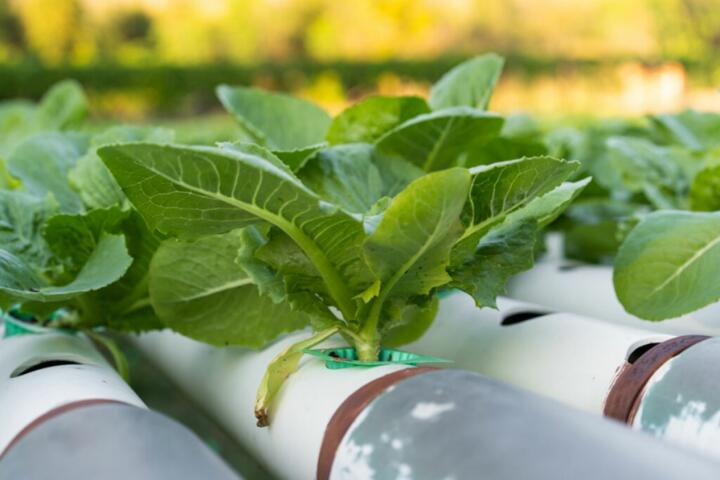
| Nutrient Film (NFT) | Leafy Greens, Herbs | High (Clog Prone) | Very High |
| Deep Water Culture | Commercial Production | Low | Moderate |
| Vertical Towers | Urban/Limited Space | Moderate | Extreme |
Mistakes to Avoid
Never use tap water without dechlorinating it first. Chlorine and chloramines are designed to kill bacteria, which means they will destroy your bio-filter and burn the gills of your fish. Use a product like Seachem Prime or a carbon block filter to strip these chemicals. Also, avoid using "wild" fish from local ponds; they often carry parasites and diseases that thrive in the warm, nutrient-rich water of a home system.
Don't ignore the "solids." Fish poop and uneaten food need to be mechanically filtered out before they reach the plant roots. If solids accumulate in your grow beds, they create "dead zones" where harmful gases like hydrogen sulfide can form. Use a swirl filter or a radial flow settler to capture these solids, which can then be composted or used as fertilizer for traditional soil plants.
FAQ
Is aquaponics more expensive than hydroponics?
Initially, yes. You have the added cost of the fish tank, aeration, and the fish themselves. However, long-term costs are lower because you aren't buying expensive liquid nutrient solutions; you are simply buying fish feed.
How many fish do I need per plant?
A good rule of thumb is 1 inch of fish for every 1 square foot of grow space for leafy greens. For heavy feeders like tomatoes, you may need to double that ratio or supplement with organic minerals.
Does the water ever need to be changed?
Rarely. You only replace water lost to evaporation and transpiration (plants "breathing"). This is why it is so water-efficient. You are managing a closed ecosystem, not a disposable nutrient reservoir.
What is the best temperature for the system?
Most systems thrive between 72°F and 82°F (22°C to 28°C). This range supports most warm-water fish like Tilapia and a wide variety of vegetables. If the water gets too hot, oxygen levels will plummet.
Can I grow root vegetables like carrots?
It is possible in deep media beds filled with fine perlite or sand, but it’s challenging. The constant moisture can cause root vegetables to rot or become misshapen. Stick to above-ground crops for the best results.
Author’s Insight
Having spent the last decade experimenting with various indoor farming methods, I’ve found that this specific synergy is the most rewarding, yet most demanding of your patience. My biggest piece of advice is to start smaller than you think you should. It is much easier to balance a 20-gallon system than a 200-gallon one when you are first learning the "language" of your water. Always trust your nose—a healthy system should smell like clean rain or a fresh forest, never like a swamp.
Summary
Mastering the balance between aquatic life and plant growth offers a sustainable path to food independence. By focusing on water chemistry, proper aeration, and biological filtration, you can create a high-yield garden that functions as a living organism. Start by testing your water regularly and choosing hardy species to build your confidence before scaling up to more complex configurations.