Living Off-Grid Basics
Living off-grid means your household relies on on-site systems for core services such as electricity, water, wastewater handling, and heat. Many setups also reduce reliance on delivered fuels and store-bought food, but the exact scope varies by location and goals. A practical example is a remote cabin that uses solar panels with a battery bank, a well with a pump, and a propane or wood heating system. Even when you “go off-grid,” you still need maintenance schedules, spare parts, and a plan for cloudy weeks, frozen pipes, and equipment failures. Off-grid living also intersects with local building codes, septic rules, and fire safety requirements, which can limit what you can install and where.
Main Problems And Pain Points
People often underestimate how many dependencies exist between systems. A solar power system that runs lights and a laptop can still fail if the water pump needs more current than the inverter can handle, or if the battery bank lacks enough capacity for winter loads. Water is another common bottleneck: a well pump, pressure tank, and filtration setup must match your water source and your power availability. Waste handling creates its own constraints, since composting toilets, septic systems, and greywater disposal each require correct siting, ventilation, and maintenance. Heating and cooking also drive energy demand; a small electric heater can drain batteries quickly, while wood heat demands storage space and safe combustion practices.
Another frequent misunderstanding involves “off-grid” meaning “no planning.” In reality, you plan for worst-case weather and worst-case usage. If you size a battery bank for average summer consumption, the system may struggle during short winter days or extended overcast periods. If you rely on a single fuel source, you need storage capacity and a way to keep it dry and accessible. If you plan to cook with electricity, you need to confirm that your inverter and wiring can handle the peak power draw without tripping breakers or overheating cables. I’ve seen people buy a solar kit and stop there, then discover the hard part is the load calculation and the wiring design, which most kits treat as an afterthought.
Supporting technologies often determine whether the plan works. Power systems depend on battery chemistry, charge controllers, inverters, and surge tolerance. Water systems depend on pump type, pipe insulation, pressure regulation, and freeze protection. Waste systems depend on soil conditions, permitted designs, and whether you can keep solids and liquids separated. Communication and safety depend on cell coverage, satellite options, and reliable alerts for smoke, carbon monoxide, and flood risk. Even the “small” items matter: a refrigerator with a failing thermostat can raise daily energy use enough to shorten battery life, and it rarely works the way the product sheet suggests.
Solutions And Practical Advice
Start With A Load Budget
Write down every device you plan to run, then estimate daily energy use in watt-hours (Wh). Include peak-start loads for motors and compressors, not just steady power. A common planning mistake is using only the device’s rated wattage without estimating how many hours it runs. For example, a 100 W LED light used for 4 hours consumes about 400 Wh, while a well pump might draw much more during startup. Then compare your total daily Wh to your expected solar or wind production for your latitude and season. If you want a sanity check, track your actual consumption for a week using a plug-in energy meter (many are sold as “power meters” and show kWh totals), then scale for off-grid conditions.
Design Power For Winter Reality
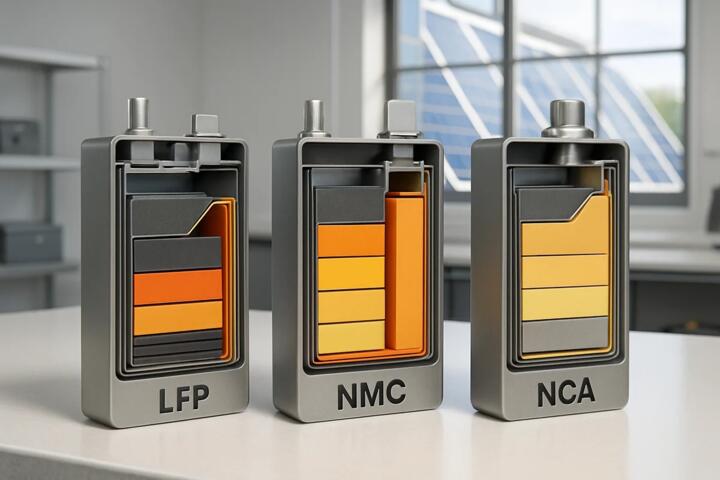
Solar systems need enough battery capacity to cover low-production periods, and inverters must handle surge currents. Battery sizing depends on usable capacity, depth-of-discharge limits, and temperature effects; cold weather can reduce available capacity and increase charging constraints. Charge controllers must match panel voltage and battery chemistry, and they need correct wiring gauge for current. Many people add panels first and treat batteries as an afterthought, which leads to chronic undercharging. A practical approach is to size for your worst month, then add a margin for aging batteries; a lithium battery system may show a “version 3” app update that changes charge settings, and you’ll want to verify those settings match your plan.
Water Requires Freeze-Proofing
Off-grid water systems must handle both pressure and temperature. If you use a well, confirm pump horsepower, voltage, and whether the pump can start under your inverter’s surge capability. Insulate pipes and consider heat tape or burying lines below frost depth where allowed. Add filtration based on your water test results, since running an undersized filter can increase pressure drop and stress the pump. If you store water in tanks, plan for microbial safety and for how you’ll clean or replace filters. In cold climates, a pressure relief strategy matters; a frozen section can crack fittings and turn a “small leak” into a full shutdown.
Waste And Heat Need Permits
Waste handling must match local rules for septic, greywater, and composting toilets. Many jurisdictions require permits, inspections, and setbacks from wells or property lines. Composting toilets can work well when venting is correct and solids management is consistent, but they still require maintenance and odor control. For heat, choose a system you can fuel and service: wood stoves need dry wood storage and chimney maintenance, while propane systems need tank placement and leak checks. Carbon monoxide detectors and smoke alarms should be part of the plan, not an optional add-on. If you use an indoor generator, ventilation and exhaust routing become a safety engineering problem, not a convenience choice.
Case Examples From Real Planning
Example 1: Remote Cabin With Solar
A couple plans a 300 sq ft cabin with a solar array, battery storage, and a propane stove. They list loads: LED lighting, a small refrigerator, a laptop, and a well pump. During a summer test, they measure about 2.5 kWh per day, then add winter assumptions for longer lighting hours and reduced solar output. They discover the well pump’s startup surge trips their first inverter model, so they switch to an inverter rated for higher surge and adjust wiring length and breaker sizing. The system runs reliably in summer, but in late winter they reduce refrigerator runtime and use a cooler strategy for food storage. Their lesson is that the “pump problem” appears early when you test startup behavior, not after the install is finished.
Example 2: Off-Grid Homestead With Wood Heat
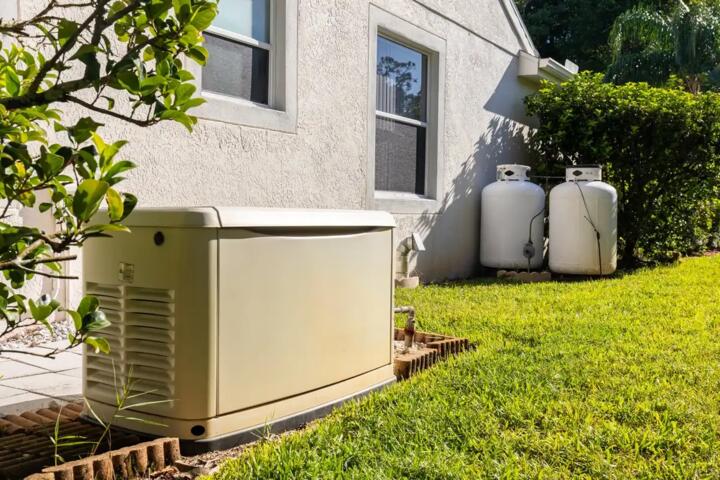
A family moves to a property with a wood stove and a generator for backup. They rely on a well pump and a small water filtration setup. They budget for wood storage, chimney cleaning, and a backup plan for weeks of wet weather when wood dries slowly. They also add a composting toilet with a vent fan and a maintenance routine for solids handling. When a battery bank ages, they notice the inverter runs less efficiently and the pump cycles less often, which changes water availability. They respond by scheduling generator hours during peak demand and by replacing the battery bank earlier than planned. Their takeaway is that off-grid living includes predictable maintenance and that “backup” still needs a schedule and fuel inventory.
Off-Grid Checklist For Decisions
| System Area | What You Must Decide | Common Failure Mode | What To Verify First |
|---|---|---|---|
| Electricity | Solar/wind size, battery capacity, inverter surge rating | Under-sized batteries for winter or inverter trips on motor startup | Measured daily Wh and pump startup behavior |
| Water | Well vs. cistern, pump type, freeze protection, filtration | Frozen lines or filtration pressure drop that stresses the pump | Water test results and pipe insulation plan |
| Waste | Septic vs. composting, greywater rules, venting | Noncompliant siting or poor ventilation leading to odor and maintenance issues | Local permit requirements and setbacks |
| Heat And Cooking | Wood vs. propane vs. electric, fuel storage, CO/smoke safety | Insufficient fuel storage or unsafe venting | Chimney/vent inspection schedule and fuel inventory plan |
Step-by-step checklist: 1) List loads and measure at least one week of real usage. 2) Confirm pump startup and inverter surge compatibility. 3) Size power for your lowest-production month, not your best month. 4) Plan freeze protection for every water path. 5) Verify waste system permits and siting rules before buying equipment. 6) Write a maintenance calendar for filters, batteries, and heating components. 7) Run a “no-grid” test period where you limit loads and see what breaks first.
Common Mistakes To Avoid
Buying equipment without matching it to your actual loads creates predictable disappointment. A solar kit can look adequate on paper while still failing because the inverter cannot handle motor startup or because the battery chemistry cannot charge under low temperatures. People also underestimate wiring and protection: undersized cables and incorrect breaker ratings can cause voltage drops, overheating, or nuisance shutdowns. Another mistake is ignoring water quality testing; filtration that works for one well can clog quickly in another, and a clogged filter can reduce flow enough to make the household feel “dry” even when the tank is full.
Waste planning often gets delayed until after construction, which can force expensive redesigns. Composting toilets require consistent use patterns and venting; if the vent fan fails and the system is not balanced, odors and maintenance problems follow. Heat planning can also go wrong when people assume wood heat is “free” while ignoring wood drying time, chimney cleaning, and safe storage. If you rely on a generator, you need a fuel plan and a schedule for exercising it; a generator that sits for months can start poorly when you need it most. I’ve watched people treat safety devices as optional, then discover that a missing carbon monoxide alarm changes the risk profile of every winter night.
FAQ
How much solar power is needed?
Solar needs depend on your daily watt-hours, your latitude, and your worst-month production. Measure your real usage for a week, then size for winter conditions and battery reserve rather than summer averages.
Can I run a well pump off-grid?
Yes, but you must match pump startup surge to your inverter and wiring. Confirm pump voltage, horsepower, and starting current, then test the setup under load before relying on it daily.
What water system works best?
Well water with a properly sized pump, filtration based on water test results, and freeze protection is common. Cisterns can work where water sources are reliable, but they require careful treatment and storage management.
Do composting toilets meet local rules?
Some jurisdictions allow composting toilets with specific venting and siting requirements, while others restrict them. Check local health department or building code guidance before installing.
How do I handle medical needs off-grid?
Plan for medication storage, refrigeration needs, and emergency access. If you rely on prescription drugs that require stable temperatures, confirm your power system can maintain that range during outages and low solar periods.
Author's Insight
Off-grid living is a systems engineering problem more than a lifestyle choice. The most reliable plans start with measured energy use and then test critical loads like well pump startup and heating demand. Water and waste systems require local compliance, and the permitting process can shape what you can build. Because equipment performance changes with temperature, age, and maintenance, a plan that works in summer can fail in winter without extra reserve. Evidence-based planning means tracking consumption, verifying compatibility of components, and building a maintenance calendar you can actually follow.
Key Takeaways
Off-grid living requires matched systems: power for your real loads, water that stays unfrozen and filtered, and waste handling that meets local rules. The biggest failures come from sizing for averages, skipping load measurements, and assuming backup gear will cover gaps without a fuel and maintenance plan. Use a load budget, verify inverter surge for motor loads, and test the system under realistic conditions before committing. Treat safety devices and permits as part of the build, not as paperwork or afterthoughts.