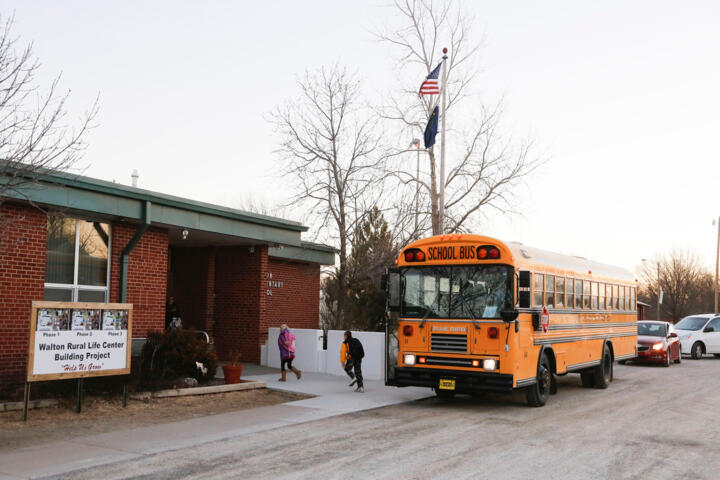
Rural Schools And Options
Rural education often runs on small staffing, long travel times, and limited course offerings, so families end up making tradeoffs that urban districts rarely face. A child might attend a one-room school for early grades, then switch to a larger regional campus for middle school, then face gaps in electives like advanced science or foreign languages. Some families add a second learning channel through district tutoring, online coursework, or homeschooling, while others rely on the public school’s existing supports.
In practice, “options” usually means choosing among schedules, transportation realities, and who teaches the core subjects. A rural district may offer a part-time teacher for music or a shared program across neighboring towns, but the schedule can still limit course availability. Remote learning can widen access to specific classes, yet it depends on reliable internet, a workable home routine, and clear grading policies. When families plan early, they can reduce the risk of repeating content or missing required credits later.
Main Problems Families Face
Many rural families get surprised by how school size affects staffing patterns. A small high school may have one math teacher covering multiple levels, which can work well when the teacher has time to differentiate, and it can fail when class sizes rise or planning periods shrink. Course catalogs can list classes that run only when enrollment reaches a threshold, so a “promised” elective may not appear every year.
Another recurring issue involves dependencies outside the classroom. Transportation schedules determine when students can attend tutoring, clubs, or regional classes, and a missed bus can turn a weekly support plan into a monthly one. Internet access also matters for remote learning; a household with intermittent service can experience dropped video sessions, delayed assignments, and grading disputes that feel personal but are really process failures.
Families also run into record-keeping problems. Credit requirements for graduation vary by state, and transferring coursework from an outside program often requires documentation like course syllabi, attendance logs, and grade conversion rules. If a family waits until the final semester to confirm whether a course counts, the student may lose time or face a late credit review that rarely moves quickly.
Finally, people sometimes assume that “choice” means unlimited flexibility. In many districts, attendance boundaries, special education services, and transportation eligibility follow specific rules, and those rules limit what families can change mid-year. Even homeschooling decisions can trigger paperwork requirements and testing expectations that differ by state.
Solutions And Practical Advice
Start With A Credit Map
Before choosing any program, list the student’s expected graduation requirements for your state and district, then map which courses will satisfy each requirement. Use the district’s graduation guide and ask for the credit policy in writing, including how transfer credits are evaluated. If you are considering an outside online course, request the provider’s course outline and grading method so you can compare it to district expectations. A simple spreadsheet helps: course name, provider, start/end dates, assignment types, grading scale, and the exact documentation the district will accept.
For a concrete check, ask whether the district requires seat time, mastery evidence, or proctored assessments. Some districts accept competency-based work, while others rely on transcript grades tied to a specific schedule. I’ve seen families lose weeks because they assumed “online class equals credit,” then learned the district needed a syllabus and a final exam score. That process can take longer than a school term, especially when staff are stretched thin.
Evaluate Staffing And Support
When a school is small, the quality of instruction depends heavily on planning time, coaching, and access to specialists. Ask how the school handles differentiation in mixed-grade classrooms and what supports exist for students who need reading intervention or math remediation. Request the school’s approach to literacy screening and progress monitoring, including how often teachers review data and what happens when a student falls behind.
For students with disabilities, ask how services are delivered when staff are limited. Special education in the U.S. follows the Individuals with Disabilities Education Act (IDEA), and services must match the student’s Individualized Education Program (IEP). Families can ask for the IEP implementation schedule, transportation arrangements, and how related services like speech therapy work when providers travel between sites. If you hear “we’ll figure it out later,” that answer usually signals a risk.
For remote or hybrid options, ask who grades work and how feedback arrives. A provider that grades only at the end of a unit can leave students guessing for weeks, which is hard for learners who need timely correction. Some families use learning management systems such as Canvas or Schoology; version numbers matter less than whether assignments show due dates, rubrics, and clear submission rules. (I once watched a family lose points because the platform treated late uploads differently than the teacher expected.)
Use Remote Learning With Guardrails
Remote learning can help when it targets a specific gap, like a missing math level or a required science credit. Start by testing the home setup for reliability: internet speed, device availability, and a quiet workspace. A practical benchmark is to run a short video call test and check whether the connection stays stable for 20–30 minutes, since assignment deadlines often assume uninterrupted access.
Set a weekly routine with a fixed time window for live sessions and a separate time window for offline work. Track attendance and submission timestamps, because disputes often hinge on whether a file was uploaded before the cutoff. If the program uses a learning management system, keep screenshots of grades and feedback; many families find that the “gradebook history” view is the only record that survives a login change.
Also confirm assessment requirements. Some programs require proctored exams, while others rely on open-book work. If your district expects proctoring, ask who provides it and whether there is a local proctor option. A remote course that cannot be verified locally can turn into a credit problem later.
Compare Homeschooling And Public Options
Homeschooling can work when families can maintain consistent instruction and documentation, but it also creates administrative load. State laws vary widely on requirements for notice, curriculum, standardized testing, and evaluation of progress. In some states, families must submit portfolios or participate in assessments; in others, requirements are lighter but still include record retention.
Families considering homeschooling should ask how the plan handles subjects that require specialized instruction, such as lab science, advanced math, or foreign language. Many families use community resources like local libraries, co-ops, or visiting instructors, but those programs can be seasonal and depend on volunteer availability. If your plan includes online curriculum, verify that it includes measurable outcomes and aligns with the student’s next-step needs, like high school placement.
For students who need special education services, homeschooling can change how services are delivered under IDEA, and the details vary by state and district. Families should contact the district’s special education office early to understand what supports remain available and what documentation is required.
Case Examples From Rural Families
Regional High School With Limited Electives
A student in a rural district attended a small middle school and then transferred to a regional high school 35 miles away. The district offered only one section of Algebra II and a single semester of world language during the student’s first year. The family created a credit map with the counselor and used an online course for the missing language credit during the summer term, then submitted the course syllabus and final exam documentation for review. The student still needed to complete a district placement check, which delayed the start by two weeks, but the family avoided a late-semester credit dispute by confirming acceptance before enrollment.
Homeschooling With Remote Math Support
Another family chose homeschooling for grades 6–8 while keeping the student enrolled in a district science lab once per week. The parent used a structured curriculum for reading and math and hired a part-time tutor for weekly math sessions. When the student struggled with fractions, the family adjusted the pacing rather than switching programs, then tracked progress using short weekly assessments. The district later asked for a portfolio summary for placement into ninth grade, and the family had kept lesson plans, assessment results, and attendance notes, which made the review faster than it would have been without records.
Comparison Checklist For Families
| Option | Best Fit | Key Risks To Check | What To Ask First |
|---|---|---|---|
| Small Public School | Stable routines and strong teacher relationships | Electives may run only with enrollment; mixed-level classes can limit differentiation | How are course sections scheduled each year, and how are credits recorded for transfers? |
| District Regional Programs | Students who need specialized classes or services | Transportation can reduce attendance; staffing changes can affect continuity | What is the transportation plan, and how are absences handled for credit? |
| Remote Learning | Targeted course gaps with reliable home access | Internet instability; unclear grading and proctoring; credit acceptance delays | Who grades, what assessments are required, and does the district accept the transcript? |
| Homeschooling | Families who can maintain consistent instruction and records | State paperwork; gaps in lab science or advanced subjects; special education service complexity | What state requirements apply, and what documentation supports placement later? |
Use this checklist as a decision support tool, not a guarantee. If a school or provider cannot answer questions about grading, documentation, and credit acceptance, the family should treat that as a planning risk rather than a minor inconvenience.
Common Mistakes To Avoid
Families often choose a program based on schedule convenience and only later confirm whether the course counts for graduation. Credit acceptance depends on district policy and documentation, so a “similar class” can still fail to transfer. Another frequent mistake involves skipping written agreements about grading and assessment, which turns misunderstandings into end-of-term surprises.
Some families underestimate the time cost of remote learning. A course that lists “2 hours per week” can still require extra time for reading, uploading work, and troubleshooting login issues. When a household shares devices or internet, the student may lose study time during peak hours, and the gradebook can reflect that loss even when the student tried.
Record-keeping errors also show up in placement decisions. If a family does not save syllabi, progress reports, or assessment results, the student may face a slower review when applying for high school placement or transferring back to public school. I’ve seen families rely on email threads that later disappear after account changes, which makes verification harder.
Finally, families sometimes assume that special education services transfer cleanly across settings. IDEA rights and services follow specific processes, and the details depend on the student’s IEP and the state’s implementation. A plan that ignores those steps can create delays that affect instruction and support.
FAQ
How Do Rural Districts Handle Credits?
Districts record credits based on their graduation policy and course documentation. Transfer credits often require proof like a transcript, course outline, and sometimes assessment results, so families should confirm acceptance before enrolling in an outside class.
What Should Families Ask About Remote Courses?
Ask who grades work, what assessments are required, how late submissions are handled, and whether the district accepts the course for graduation. Request the course syllabus and grading scale so you can compare it to district expectations.
Do Homeschooling Rules Differ By State?
Yes. State laws vary on notice, curriculum requirements, testing or portfolio submissions, and record retention. Families should check their state education department guidance and ask how placement decisions work for high school entry.
How Can Parents Support Mixed-Grade Classrooms?
Ask the teacher how lessons differentiate across grade levels and what at-home practice matches the classroom plan. Keep a short weekly log of what the student mastered and what needs review, then share it with the teacher during scheduled check-ins.
What If A Student Needs Special Education Services?
Special education services follow IDEA processes and the student’s IEP. Families should contact the district’s special education office early to understand service delivery, transportation, and documentation requirements for any change in placement.
Author's Insight
Rural education decisions work best when families treat “options” as systems with inputs and outputs: staffing, schedules, transportation, grading rules, and record requirements. Credit transfer and documentation are recurring friction points, so families benefit from asking for written policies before enrolling in outside coursework. Remote learning can help when it targets a specific gap, but it depends on stable access and clear assessment expectations. For special education, IDEA processes shape what changes are possible and how services are delivered, so early coordination reduces avoidable delays.
Key Takeaways
- Build a credit map tied to your state and district graduation requirements before choosing any program.
- Check staffing and support plans, including how mixed-grade instruction and specialists work in a small school.
- For remote learning, verify grading, assessments, proctoring needs, and district credit acceptance in writing.
- For homeschooling, confirm state requirements and keep documentation that supports later placement or transfer.
- Avoid end-of-term surprises by tracking submissions, saving syllabi and progress records, and confirming policies early.