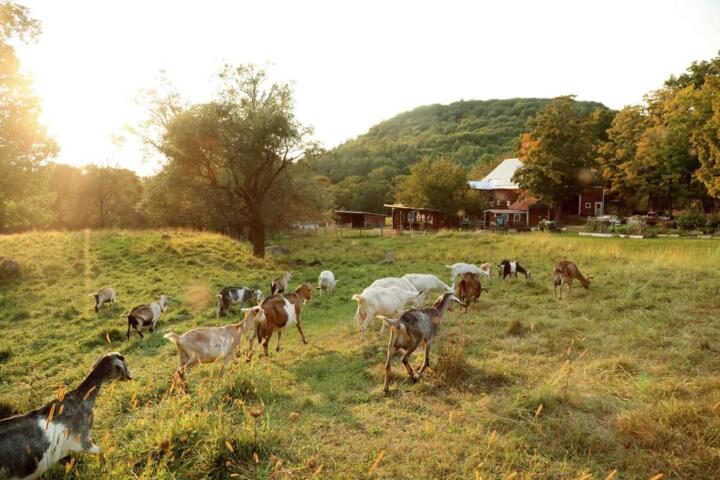
Seasons Set Rural Rhythm
In rural areas, the calendar is less about social events and more about weather windows, crop growth, and travel distance to services. Day length shifts work hours, which changes sleep timing and the timing of meals, medication, and school commutes. Weather also changes the risk profile for common health problems: falls on ice, heat stress during haying, and respiratory irritation when smoke or allergens peak. Even water habits shift, since wells, cisterns, and surface sources respond to rainfall and drought.
Spring often brings wet ground and muddy roads, which increases slips and strains during chores like fencing, hauling feed, and cleaning barns. Summer concentrates outdoor labor into longer daylight hours, raising the odds of dehydration, heat exhaustion, and sunburn, especially when people work without shade breaks. Autumn can trigger allergy symptoms from ragweed and mold spores, while also increasing exposure to dust during harvest and leaf cleanup. Winter adds cold exposure, reduced daylight, and ice risk, plus more indoor time where ventilation habits matter.
Rural households also run on “maintenance cycles.” Tools need sharpening after heavy use, roofs need inspection after storms, and heating systems need checks before the first sustained cold. When those cycles slip, small problems can become bigger ones, like a clogged chimney leading to smoke exposure or a failing furnace increasing carbon monoxide risk. The seasonal rhythm is practical, but it also shapes health outcomes through daily routines.
Common Misreads And Dependencies
People often treat seasonal health changes as random, then miss the pattern that links symptoms to specific exposures. A cough that appears during harvest dust days behaves differently than a cough that starts after a cold snap and indoor wood smoke. Likewise, fatigue in late summer can come from heat load and disrupted sleep timing, not just “getting older” or “working too much.”
Seasonal effects depend on supporting systems that rural residents manage directly. Water safety depends on well depth, casing integrity, and how rainfall moves contaminants into groundwater; after heavy rain, runoff can raise the risk of gastrointestinal illness. Air quality depends on local burning practices, wildfire smoke transport, and whether indoor stoves and fireplaces vent correctly. Injury risk depends on traction surfaces, footwear, and how often roads get sanded or plowed.
Health services access also changes the way people respond to symptoms. Longer travel times can delay care, so early self-triage matters more. Many rural residents rely on home monitoring like pulse oximeters or thermometers, but those tools have limits; a reading without context can mislead, especially if a device is used on cold fingers or during movement. I’ve seen people record numbers from a pulse oximeter (often around 95–99% at rest) and ignore that shortness of breath with exertion can still signal a problem.
Another dependency is medication timing. Some medications require consistent dosing schedules, and seasonal work can shift meal times and sleep. If a person takes a medication with food requirements, changing the workday structure can change absorption and side effects. This is where the “rhythm” matters: the season changes the day, and the day changes the body’s exposure to both risk and treatment.
Seasonal Planning And Advice
Build A Weather-Based Routine
Start with a simple seasonal checklist tied to your actual chores. In spring, plan for traction: boots with worn tread replaced before mud season, and a habit of checking footing near barn doors and slick ramps. In summer, schedule short shade breaks and water stops every 30–45 minutes during heavy work; heat illness risk rises when sweating continues without enough fluid and electrolytes. In autumn, reduce dust exposure during harvest cleanup by using a well-fitting respirator (N95 or higher) and wetting down debris when safe. In winter, keep a clear path to vehicles and entryways, since most slips happen on the route you use daily.
For tracking, a paper log works as well as an app. Record symptom timing alongside weather notes like “smoke day,” “high pollen,” or “first frost.” On a personal aside, I once reviewed a household log from March 2024 where the cough pattern aligned with a neighbor’s brush burn; the timing matched the wind direction more than any viral exposure.
Use Home Monitoring With Limits
Home tools help when used correctly. A thermometer is useful for fever trends, but fever can be absent in some infections, and fever alone does not diagnose the cause. A pulse oximeter can help when oxygen levels drop, yet readings can be falsely low with cold hands, nail polish, or poor sensor contact. If you use one, warm the fingers first and sit still for a minute before recording. A blood pressure cuff can help with hypertension monitoring, but it does not replace symptom-based evaluation for chest pain or severe shortness of breath.
For rural households, a practical target is to decide in advance what numbers trigger action. For example, persistent fever above 103°F (39.4°C) in an adult, worsening breathing, or confusion should prompt urgent medical contact. If you have chronic conditions like COPD or heart failure, your clinician may give individualized thresholds. When thresholds are not provided, err on the side of contacting a clinician sooner rather than waiting for a “perfect” reading.
Reduce Exposure To Air And Water
Air quality changes with seasons, and rural exposure can come from both outdoor sources and indoor combustion. During wildfire smoke or local burning, keep windows closed and use filtration if you have it; a portable HEPA air cleaner can reduce particulate levels indoors. If you rely on wood stoves, check chimney draft and smoke leakage, since incomplete combustion increases indoor irritants. For pollen and mold, consider showering after outdoor work and changing clothes before entering living spaces, since pollen sticks to fabric.
Water safety depends on your source. After heavy rain, avoid using untreated surface water for drinking, and follow local guidance for well testing. If you have a private well, periodic testing for bacteria and nitrates is a common baseline practice; the exact schedule depends on local conditions and well history. If you notice a change in taste, odor, or cloudiness, treat it as a signal to test before relying on it.
Plan For Injury Prevention By Season
Injury patterns shift with weather and work type. Spring mud increases slips and strains during hauling and barn cleaning, so plan for slower movement and consider knee support if you kneel for long periods. Summer heat increases risk during repetitive tasks like baling and lifting; fatigue reduces reaction time, so rotate tasks when possible. Autumn harvest and leaf cleanup increase dust and repetitive motion injuries, so take micro-breaks and stretch calves and shoulders after repetitive lifting. Winter ice increases falls; use traction aids on boots and keep walkways salted or sanded when feasible.
For a realistic outcome, many households reduce fall risk by changing one routine: clearing the path to the car before dark and keeping a consistent spot for traction gear. That small change often matters more than buying new equipment after a fall has already happened.
Case Examples From Rural Households
Spring Cough After Barn Cleanup
A farm resident in their 40s reported a dry cough and throat irritation that started two days after cleaning a dusty barn. Symptoms worsened during the cleanup and improved on rest days, with no fever. The household used a respirator inconsistently, and the cough persisted for about a week. A clinician advised dust control, consistent respiratory protection during cleanup, and monitoring for red flags like shortness of breath at rest or fever. The pattern matched exposure timing more than a viral illness.
Winter Shortness Of Breath During Wood Stove Use
An older adult noticed increased breathlessness during cold evenings when the wood stove ran longer. The household had a history of draft issues, and the resident reported headaches in the morning. The family checked for smoke leakage and arranged a chimney inspection. After correcting venting problems and improving ventilation, symptoms improved over several days. This scenario highlights how seasonal heating choices can affect breathing and why ventilation and combustion safety matter.
Seasonal Checklist And Tradeoffs
| Season | Common Risk | What To Do First | When To Seek Care |
|---|---|---|---|
| Spring | Falls, dust irritation | Traction checks; consistent respirator during dusty work | Shortness of breath, fever, or symptoms that worsen after exposure stops |
| Summer | Heat stress, dehydration | Shade breaks; water plan every 30–45 minutes during heavy work | Confusion, fainting, or persistent vomiting |
| Autumn | Allergens, dust exposure | Shower/change clothes after outdoor work; respirator for dust | Wheezing not controlled by usual meds or breathing difficulty at rest |
| Winter | Cold exposure, indoor air issues | Clear ice paths; check stove/venting and ventilation habits | Severe headache, confusion, or symptoms linked to heating use |
Tradeoff to watch: respirators and ventilation steps can feel inconvenient during busy workdays, so plan them into the workflow rather than treating them as optional add-ons.
Common Mistakes That Erode Trust
One frequent mistake is blaming every seasonal symptom on “allergies” or “a virus” without checking exposure timing. If symptoms start right after a specific task like brush burning or barn cleanup, the exposure explanation deserves more weight than a generic label. Another mistake is relying on a single home measurement without context, such as using one oxygen reading during movement and assuming the result rules out serious issues.
People also overcorrect by changing multiple variables at once. If you switch water sources, change heating methods, and start a new supplement during the same week, it becomes hard to interpret what helped or harmed. A better approach uses one change at a time, then tracks symptom timing for several days.
Promotional writing often suggests that one product solves seasonal problems. Rural health planning usually works better with habits: traction and slower movement in winter, hydration breaks in summer, and consistent respiratory protection during dusty work. When a plan depends on a single purchase, it tends to fail when the weather or workload changes.
Finally, some households delay care because travel is inconvenient. That delay can matter when symptoms signal emergencies like heat stroke, carbon monoxide exposure, or severe breathing problems. If symptoms include confusion, chest pain, or trouble breathing at rest, waiting for the next “seasonal cycle” is not a safe strategy.
FAQ
How Do I Tell Allergies From A Cold?
Allergies often cause itchy eyes, sneezing, and watery nasal discharge with symptoms that track pollen or dust exposure; colds more often include fever and body aches. Symptom timing after specific tasks helps, and persistent wheezing or fever warrants medical advice.
What Heat Symptoms Need Urgent Care?
Confusion, fainting, seizures, or persistent vomiting during hot weather are urgent signs. Heat exhaustion that improves with cooling and fluids should still be discussed with a clinician if it recurs or if you have heart or kidney conditions.
Can Wood Smoke Affect Breathing In Winter?
Yes. Smoke and incomplete combustion irritate airways and can worsen asthma, COPD, and chronic cough. Venting problems can also cause headaches and other symptoms, which should prompt immediate safety checks.
How Often Should A Private Well Be Tested?
Testing frequency depends on local guidance and well history. Many households test at least annually for bacteria, and nitrates are often checked periodically; if you have a new well, nearby contamination risk, or changes in taste or odor, testing should happen sooner.
Do Pulse Oximeters Work Reliably At Home?
They can help when used correctly, but readings can be off with cold fingers, movement, or poor sensor contact. Use them as trend tools, not as the only decision-maker, and seek care for concerning symptoms even if the number looks “okay.”
Author's Insight
Seasonal health patterns in rural life come from exposure timing: daylight changes sleep and work hours, weather changes traction and injury risk, and heating or outdoor air sources change what people breathe. The most useful planning starts with mapping symptoms to specific chores and environmental triggers rather than relying on broad labels. Home monitoring helps when it is paired with context and clear thresholds for action. When symptoms include severe breathing trouble, confusion, or signs of poisoning, the correct next step is urgent medical contact rather than waiting for a seasonal shift.
Key Takeaways
- Track symptoms alongside seasonal exposures like dust, pollen, smoke, heat, and heating use.
- Use home tools as trend aids, and correct common measurement errors like cold fingers on pulse oximeters.
- Prevent injuries by season: traction and slower movement in spring and winter, hydration breaks in summer, and dust control in autumn.
- Seek urgent care for red flags such as confusion, severe breathing difficulty, or persistent vomiting during heat or heating-related symptoms.