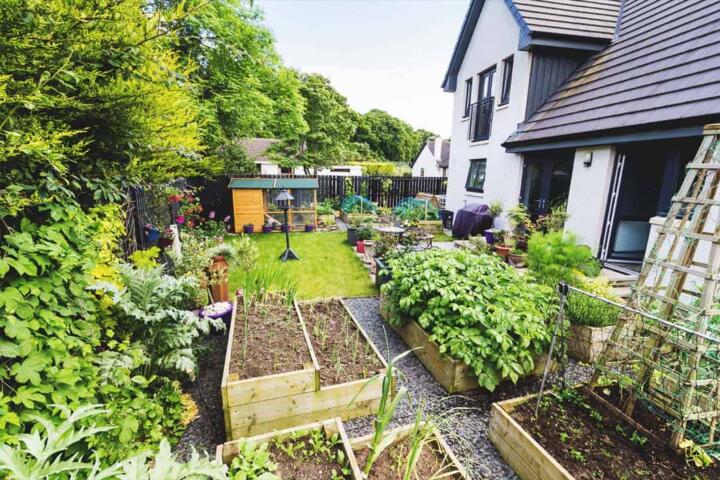
Rural Vs Suburban Living
Rural living typically means lower population density, longer distances between services, and fewer public transit options, which changes how people reach healthcare, groceries, and schools. Suburban living usually sits between city and countryside, with more frequent services, shorter trips to clinics, and denser road networks that shape commute times and noise exposure. These differences affect health through practical pathways: travel time, access to preventive care, exposure to traffic and industrial activity, and the availability of emergency response nearby.
In rural areas, a common pattern is a “service radius” where the nearest pharmacy, urgent care, or hospital may be 20–60 minutes away depending on road conditions. In suburbs, the same needs often fall within a 10–25 minute drive, though traffic can stretch that window during peak hours. Even when the distance looks similar on a map, real-world travel depends on road type, weather, and how often you hit congestion lights.
Household routines also diverge. Rural households often rely more on private vehicles for most errands, while suburban households may still drive but can reach more destinations without crossing large gaps. That difference matters for physical activity patterns, medication refill timing, and how quickly someone can respond to symptoms that worsen overnight.
Main Misunderstandings
People often treat “rural” and “suburban” as if they describe only scenery, when they also describe infrastructure and service frequency. A rural town can have excellent healthcare for its size, yet still face delays for specialists because referrals travel farther. A suburb can have many clinics, yet still experience appointment bottlenecks when demand concentrates in a small number of networks.
Another common mistake is assuming that lower traffic automatically means cleaner air and quieter nights. Rural areas can have higher exposure to smoke from seasonal burning, dust from unpaved roads, or emissions from nearby agriculture and heating sources. Suburbs can have cleaner residential air than downtown cores, but they still sit near highways, warehouses, and industrial corridors that create localized noise and particulate exposure.
Emergency response timing is also misunderstood. Response depends on staffing, station locations, and call volume, not just distance. Rural areas may have fewer ambulances per capita, and weather can slow travel; suburbs may have more units but also higher call volume and traffic delays. If you rely on rapid help for chronic conditions, you need to ask how response works where you plan to live.
Supporting technologies shape these outcomes. Broadband availability affects telehealth access and remote monitoring, while road maintenance affects winter travel and access to pharmacies. In some rural regions, broadband coverage can be patchy; in suburbs, coverage is often better, but dead zones still occur in older neighborhoods. I’ve seen people assume “fiber everywhere” after checking one address, then discover the next street runs on older infrastructure—version numbers on provider portals can lag behind reality.
How To Compare Your Options
Map Healthcare Access First
Start with a practical list: primary care, urgent care, emergency department, pharmacy, and any specialist you already use. Use driving time estimates from multiple routes, then add a buffer for weather and peak traffic. If you take regular medications, check whether the pharmacy can refill on schedule and whether it stocks your specific formulary items.
For decision support, compare appointment lead times by calling clinics and asking for the next available new-patient appointment and the next available follow-up slot. In many systems, follow-ups can be faster than new visits, and that difference changes how quickly symptoms get addressed. If you use telehealth, confirm whether the clinic supports your state’s licensing rules and whether your broadband plan is stable enough for video calls.
A small aside: when I tested a telehealth workflow on a common patient portal in 2024, the “camera permission” prompt appeared differently on iOS 17 versus Android 14, and one setting stayed stuck after an update. That kind of friction matters when you’re trying to get care quickly.
Check Travel, Noise, And Air
For commute and errands, measure time for the trips you actually repeat: grocery run, school drop-off, pharmacy pickup, and after-hours care. Use a weekday and a weekend check because traffic patterns change. For noise, look beyond “near a highway” and ask about the direction of traffic flow, truck routes, and whether sound barriers exist.
For air, focus on local sources. Rural areas may have smoke or dust events; suburbs may have traffic-related pollution and nearby industrial emissions. If you can, review local air quality reporting for your county or metro area and note whether the worst days cluster in certain seasons. Air quality monitors are not evenly distributed, so a single neighborhood reading can mislead.
If you have asthma or other respiratory conditions, ask about indoor air steps too: HVAC filtration ratings, humidity control, and whether the home has a basement that can trap moisture. A home inspection that includes HVAC filter compatibility can prevent a “we bought the right filter but it doesn’t fit” problem.
Plan For Emergencies And Weather
Emergency planning should match your risk profile. If you have mobility limits, chronic heart or lung conditions, or depend on caregivers, ask how quickly help arrives and whether there are nearby hospitals that handle your needs. In the U.S., you can also check whether local hospitals have relevant services such as stroke or trauma care, though designations vary by state and facility.
Weather matters more than people expect. Rural roads can become impassable during heavy snow, and long distances can delay pharmacy access when power outages occur. Suburban areas can face flooding in low-lying zones and traffic gridlock during storms. Build a plan for medication continuity: backup refills, a written medication list, and a way to contact your clinician if you miss a dose.
For winter readiness, confirm whether the home’s heating system has a backup plan for outages. A generator can help, but it also needs fuel storage and safe operation practices—some neighborhoods restrict placement or require permits.
Compare Community Services And Costs
Community services include schools, libraries, parks, senior programs, and volunteer networks. Rural areas often have strong community ties but fewer specialized programs, while suburbs may offer more variety but rely on private enrollment for some activities. Look at school district boundaries and transportation policies because they affect daily time and stress.
Costs vary by housing type and service delivery. Rural homes may have larger lots and lower purchase prices in some regions, yet higher costs for maintenance, septic systems, well water, and longer travel for services. Suburban homes may have higher property taxes and utility costs, but more predictable access to municipal services. Ask for utility history and maintenance records, not just the listing price.
When you evaluate costs, separate fixed costs from variable ones. Vehicle expenses rise with longer drives, while rural home maintenance can spike after storms. A practical budget includes fuel, insurance, routine upkeep, and a line for emergency travel if you need to reach care quickly.
Case Examples For Real Life
Rural Medication And Specialist Visits
An anonymized household in a rural county uses a primary care clinic 25 minutes away and a pharmacy 30 minutes away. They see a specialist twice a year in a larger city 90 minutes away. After moving, they noticed that refill timing became harder during winter storms because the pharmacy’s delivery schedule slowed. They solved it by switching to a 90-day refill where possible, keeping an updated medication list in their phone, and asking the specialist’s office for a backup appointment window if travel conditions worsened.
This scenario shows how rural living can work well for routine care while still creating friction for specialty care and refill continuity. The key dependency was not “rural versus suburban” in general, but the specific travel time and how the clinic handled scheduling during weather disruptions.
Suburban Noise And Appointment Bottlenecks
An anonymized family in a suburban area lives 12 minutes from an urgent care center, yet their primary care clinic often had a 2–4 week wait for new appointments. They also experienced recurring nighttime noise from a nearby arterial road, which affected sleep quality. When a child developed symptoms that needed follow-up, the family found that urgent care visits were fast but did not always replace ongoing care. They improved outcomes by requesting earlier cancellations, using a nurse triage line when available, and asking the primary clinic about a same-week slot policy.
This example highlights that suburban access can be quick for urgent needs while still bottlenecking preventive and ongoing care. The practical lever was appointment availability and care coordination, not just proximity.
Comparison Checklist
| Decision Factor | Rural Tends To | Suburban Tends To | What To Verify |
|---|---|---|---|
| Healthcare travel time | Longer drives to specialists | Shorter drives to many services | Call for appointment lead times and check pharmacy refill logistics |
| Emergency response | May be slower due to distance and weather | May be delayed by traffic and call volume | Ask local dispatch or community sources about typical response patterns |
| Air and noise | Smoke/dust events can occur | Traffic and nearby corridors drive exposure | Check local air reports and do a night-time noise walk |
| Home systems | Septic and well are common | Municipal water and sewer are common | Review inspection results for septic, well, HVAC, and drainage |
| Daily errands | Fewer nearby options | More nearby options | Time your real routes on a weekday and weekend |
Step-by-step checklist for a move decision:
- List your top five healthcare needs for the next 12 months, including refills and any specialist visits.
- Measure driving time to each need using two routes and two time windows.
- Call clinics for the next available new appointment and the next available follow-up.
- Ask about pharmacy refill policies during storms or power outages.
- Visit the home at night and during a typical commute window to judge noise and traffic patterns.
- Review home system details (septic/well or municipal connections) and confirm maintenance history.
- Budget for vehicle costs and emergency travel, not just rent or mortgage.
Common Mistakes To Avoid
One frequent mistake is using only “distance” and ignoring appointment availability. A clinic 8 miles away can still be hard to access if it has long waits for new patients or limited hours. Another mistake is assuming that urgent care visits replace ongoing care; urgent visits often treat symptoms, while chronic management depends on follow-up plans.
People also overgeneralize about safety. Rural areas can have fewer traffic lanes and lower speeds, yet they can also have limited lighting, fewer nearby services, and longer response times. Suburban areas can have more street lighting and services, yet they can also have higher vehicle volumes and faster road speeds on arterials.
Home inspection gaps create preventable health risks. In rural settings, septic failures can affect water quality and indoor air; in suburbs, older HVAC systems can struggle with filtration and humidity. A buyer who skips inspection details often discovers problems after moving, when repairs and temporary relocation costs stack up.
Finally, many households underestimate how weather changes routines. A winter storm can turn a “15-minute drive” into a “no safe route” situation. Planning for medication continuity and backup transportation reduces stress when conditions worsen, and it prevents last-minute decisions that feel rushed.
FAQ
Which Setting Has Better Access To Specialists?
Suburban areas often have more nearby clinics, but specialist availability depends on local networks and appointment capacity. Rural areas can still offer strong care for common needs, while specialist visits may require longer travel and more scheduling lead time.
Do Rural Areas Always Have Cleaner Air?
No. Rural air can be affected by smoke, dust, and heating emissions, while suburbs can have traffic-related pollution near highways. Local monitoring and seasonal patterns matter more than the rural or suburban label.
How Should I Evaluate Emergency Response?
Ask about typical response times through local public information channels and confirm which hospitals handle your conditions. Also consider weather and road access, since travel time can change dramatically during storms.
Is Telehealth Easier In Suburbs?
Telehealth depends on broadband stability and clinic policies, not only location. Suburbs often have better coverage, but dead zones exist; rural areas can still support telehealth if broadband is reliable at your specific address.
What Home Factors Differ Most Between Rural And Suburban?
Rural homes more often rely on septic and well water, while suburbs more often use municipal water and sewer. HVAC filtration compatibility, drainage, and maintenance history affect indoor air quality in both settings.
Author's Insight
Rural and suburban living differ less by “lifestyle” and more by infrastructure: travel time, service density, and how weather and traffic affect access to care. When evaluating a move, the most useful evidence comes from direct calls to clinics, pharmacy refill policies, and measured driving times at realistic hours. Air and noise exposure should be checked locally rather than assumed from population density. Home system details such as septic, well, and HVAC filtration often determine day-to-day health risk more than neighborhood reputation.
Key Takeaways
Use a checklist that ties location to healthcare access, emergency response, and daily travel patterns. Verify appointment lead times and refill logistics instead of relying on map distance. Treat air and noise as local measurements influenced by nearby roads, seasonal events, and home ventilation. Budget for vehicle and maintenance realities, then plan for weather disruptions with medication continuity and backup routes.