Hybrid Power Basics
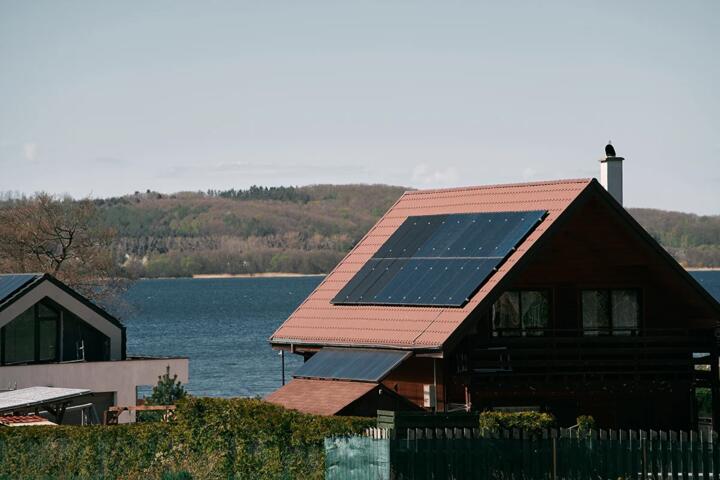
A hybrid power setup pairs variable renewables with a controllable backup source. Solar and wind produce electricity when conditions match the weather and season, while a generator covers long gaps, cloudy stretches, low-wind periods, or battery maintenance downtime.
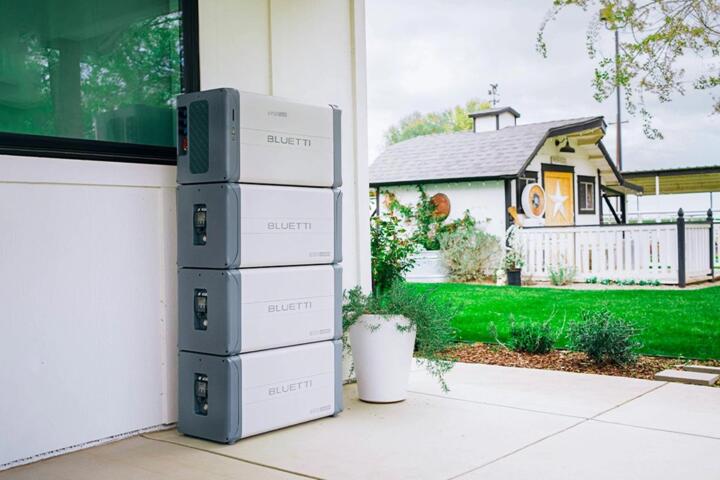
In most residential designs, solar feeds a battery bank through a charge controller, and wind does the same through a turbine controller or rectifier. A power inverter then converts battery DC power to AC for household loads. The generator typically connects through a transfer switch or an inverter/charger that can charge batteries and run selected circuits.
Example: a small off-grid cabin might run lights, a refrigerator, and internet from batteries most of the day. When solar output drops after sunset, the system draws from the battery. If the battery state of charge falls below a set threshold, the generator starts to recharge, then shuts off after reaching a target charge level.
One practical detail: many inverter/chargers expose settings like “bulk,” “absorption,” and “float” charge stages, and the exact behavior depends on firmware. I’ve seen systems where a default profile from a 2023 manual didn’t match the battery chemistry, which led to chronic undercharging—annoying, and expensive in the long run.
Common Pain Points
People often treat solar, wind, and generators as three independent gadgets. In reality, the system behaves like one energy balance loop: generation, battery storage, inverter limits, and generator start/stop logic all interact.
A frequent mistake is sizing batteries for “average” production instead of the worst stretch. Solar output can be low for weeks in winter at higher latitudes, and wind can also calm for extended periods. If the battery capacity and generator runtime plan do not cover the longest expected low-generation window, the system will cycle generators more than planned.
Another dependency is load behavior. Starting currents from well pumps, compressors, and some induction motors can exceed inverter surge ratings. A hybrid system may look adequate on daily kWh, yet still trip breakers when a motor starts during low battery voltage or when the inverter is near its current limit.
Controls are a third pain point. Many setups rely on a battery management system (BMS) and inverter/charger logic to prevent overcharge, over-discharge, and unsafe temperatures. If the wind controller, solar controller, and inverter/charger are not configured to agree on battery voltage targets, the system can bounce between charge modes or stop charging at the wrong time—frankly, the docs rarely cover every real wiring scenario.
Finally, grid and code constraints matter. Even for “off-grid,” local electrical codes can require specific disconnects, grounding, and generator interlocks. In grid-tied or hybrid-with-grid designs, anti-islanding requirements and utility rules govern how the system disconnects during outages.
Solutions And Advice
Design Around Energy Balance
Start with a load inventory and a daily energy estimate in kWh, then plan for the lowest expected renewable output period. A practical method is to measure actual consumption for 7–14 days using a plug-in energy meter, then convert to a worst-case daily kWh target. If you cannot measure, use appliance nameplate wattage and run-time assumptions, then add a conservative margin for motor cycles and standby losses.
Battery sizing should reflect both usable capacity and inverter limits. For example, if an inverter can draw 2 kW continuous and you expect 1.5 kW average during an outage, the battery must support the required runtime without dropping below the inverter’s low-voltage cutoff. Many systems also reserve a buffer to protect battery life, which reduces usable capacity.
Tooling that helps: a spreadsheet that tracks hourly solar/wind estimates and battery state of charge, plus a generator runtime schedule. I’ve used a simple hourly model in a spreadsheet tool (I last checked one approach in LibreOffice 24.2) because it makes “what happens at 2 a.m.” visible, not just “what happens on average.”
Set Charge Profiles Correctly
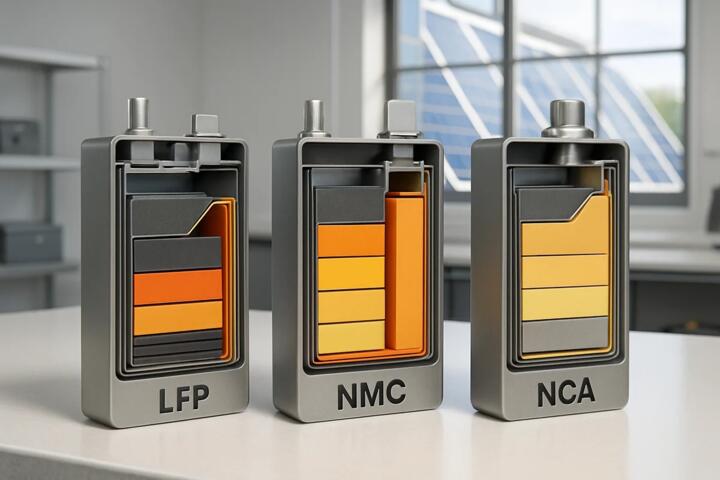
Match charge settings to battery chemistry and manufacturer guidance. Lead-acid systems often use different absorption and float voltages than lithium systems, and lithium systems may require temperature-compensated charging or strict current limits. If your inverter/charger supports multiple battery profiles, confirm the profile matches the exact battery model and firmware version.
Wind and solar controllers must also be configured to the same battery voltage targets. Some wind turbines output AC that is rectified and then regulated; others use MPPT-like controllers. Either way, the controller should respect the BMS limits or the battery’s maximum charge current.
Realistic outcome target: after configuration, the system should reach a consistent “full” state during normal sunny or windy days without frequent generator starts. If it never reaches full charge, battery capacity will degrade faster and generator runtime will creep upward.
Plan Generator Start Logic
Choose a start/stop strategy that reduces wear and fuel waste while keeping critical loads powered. Common approaches include starting when battery state of charge drops below a threshold and stopping after reaching a target charge stage or after a fixed runtime window. The best choice depends on generator size, inverter/charger charging behavior, and how quickly the battery accepts charge.
Generator sizing should consider both charging power and any simultaneous loads. If the generator is too small, it may run at high load continuously, which can increase maintenance needs. If it is oversized, fuel consumption may rise at partial load, depending on the engine and governor behavior.
Practical aside: many portable generators have “eco” modes that change throttle response. Those modes can interact with inverter/charger charging curves, and the system may hunt between charge and load. Disabling eco mode during commissioning can reveal whether the generator is stable under charging current.
Control Inrush And Load Priorities
Inrush current is a frequent hidden failure mode. Use inverter surge ratings, soft-start devices, or load shedding to prevent trips. For example, a well pump can be placed on a timed schedule or controlled by a contactor that delays motor start until battery voltage and inverter headroom are stable.
Load prioritization can be done with a critical loads panel. Keep refrigeration, lighting, and communications on the inverter output, while non-critical loads like some workshop tools remain on a separate circuit that runs only when the generator is on or when battery state of charge is high.
Outcome target: after commissioning, you should be able to start the largest motor load without inverter fault codes. If faults occur, reduce simultaneous loads, add a soft-start, or increase inverter surge capacity rather than increasing battery size alone.
Case Examples
Rural Home With Winter Lows
An anonymized household in a northern region measured 18 kWh/day average use during winter and 10 kWh/day in summer. They installed solar sized for summer output and added a small wind turbine for shoulder seasons. During a multi-week cloudy period, solar production dropped enough that batteries reached the generator start threshold every evening.
The fix was not “more panels.” They adjusted generator start logic to run earlier at a higher state of charge, which reduced deep discharges. They also changed the inverter/charger battery profile to match the battery model and confirmed the wind controller used the same voltage targets. After tuning, generator runtime became predictable instead of spiky, and battery voltage stayed within the BMS limits.
Small Workshop With Motor Loads
A small off-grid workshop used a 1.5 kW compressor and a 0.8 kW dust collector, plus lighting and a laptop network. The system met daily kWh targets, yet the inverter tripped when the compressor started at low battery charge.
They added a critical loads panel and delayed compressor start until the battery state of charge recovered above a set point. They also installed a soft-start on the compressor motor to reduce peak current. The result was fewer inverter faults and less generator cycling, even though the total energy per day stayed similar.
Comparison Checklist
| Decision Point | Solar + Wind Only | Solar + Wind + Generator | What To Verify |
|---|---|---|---|
| Low-Output Weeks | Depends on battery size | Covered by generator runtime plan | Battery capacity vs worst-case season |
| Motor Starting | Inverter trips possible | Generator can stabilize charging/load | Inverter surge rating and soft-start options |
| Control Agreement | Solar/wind controllers must match | Inverter/charger adds another layer | Charge profiles and BMS limits |
| Maintenance | Mostly cleaning and inspections | Fuel, oil, filters, and exercise schedule | Generator service intervals and fuel storage |
Step-by-step checklist for decision support:
- Measure or estimate daily kWh for your actual appliances, then add a margin for motor cycles and seasonal heating or cooling.
- Identify the longest expected low-renewable period for your location and tilt/wind conditions, then size batteries and generator runtime for that window.
- Confirm inverter surge rating and low-voltage cutoff behavior under starting loads.
- Align charge profiles across solar controller, wind controller, and inverter/charger, then verify BMS current and voltage limits.
- Set generator start/stop thresholds based on battery state of charge and charging stage, then test with real loads during commissioning.
- Plan for electrical safety: grounding, disconnects, and transfer switching that matches local code requirements.
Common Mistakes
Buying more generation without matching storage is a common failure pattern. If batteries are undersized, the system reaches full charge quickly on good days and then wastes energy or throttles charging, which can still leave you short during bad weather.
Another mistake is ignoring inverter and wiring limits. Long DC cable runs increase voltage drop, and undersized conductors can overheat under charging current. People also underestimate how much current wind turbines can demand during gusts, which can stress controllers.
Some owners set generator thresholds too low to “save fuel.” That strategy increases deep discharges and can shorten battery life, especially for lithium chemistries that require careful cycling. A generator plan should trade fuel use against battery health, not treat battery depletion as free.
Commissioning errors also show up as confusing logs. If you do not record battery voltage, charge current, inverter faults, and generator run time during the first week, you lose the evidence needed to tune settings. The system may look stable on paper while still running in an unintended charge mode.
FAQ
How Do Solar And Wind Share A Battery?
They both charge the same battery bank through their own controllers, but the controllers must target matching battery voltage and respect the battery’s current limits. The inverter/charger then manages AC loads and may also charge the battery when the generator runs.
What Battery Size Covers Cloudy Or Calm Periods?
Battery size depends on your daily kWh use, the usable depth-of-discharge you plan to use, and the length of the worst expected low-renewable period. A design that only covers average days will trigger generator starts during extended weather events.
Can A Generator Run Only When Batteries Are Low?
Yes, many systems use state-of-charge thresholds to start and stop the generator. The generator may also run longer if the inverter/charger needs time to reach absorption or other charge stages, which affects total runtime.
Do Inverters Handle Motor Starting Loads Reliably?
Not automatically. You must check inverter surge ratings, low-voltage behavior, and whether the motor’s starting current exceeds inverter limits. Soft-start devices and load shedding often prevent faults.
What Safety And Code Issues Matter Most?
Grounding, disconnects, and transfer switching requirements vary by region and whether the system is grid-tied. For grid-interactive setups, anti-islanding rules and utility interconnection requirements can govern how the system disconnects during outages.
Author's Insight
A hybrid solar-wind-generator system is less about “adding sources” and more about coordinating energy flows. The most reliable designs treat charge profiles, inverter limits, and generator start logic as one control problem, then verify behavior with real measurements during commissioning.
Battery chemistry and BMS limits set the boundaries for charging current and voltage, so controller settings must match the battery model rather than relying on generic defaults. Load starting currents can break systems that look adequate by daily kWh alone, which is why surge ratings and soft-start strategies matter.
When evidence is uncertain, the safest approach is to model worst-case seasons conservatively and then test under controlled conditions, recording voltage, current, and fault codes. That evidence supports tuning without guesswork.
Key Takeaways
- Solar and wind are variable; batteries and generator logic turn variability into usable power.
- Size for the worst low-renewable period, not average production, and plan generator runtime for that window.
- Align charge profiles across all controllers and match them to the battery chemistry and BMS limits.
- Check inverter surge and motor starting behavior; add load priorities or soft-start devices when needed.
- Commission with measurements and fault logs so tuning is evidence-based, not guesswork.