Battery Storage Reality
Battery storage turns intermittent generation into usable electricity, but the hard part is matching grid needs with what batteries can deliver over time. A battery system has two separate capabilities: power (how fast it can deliver or absorb electricity) and energy (how long it can do so). Many planning mistakes come from treating those as one number, then discovering the system runs out sooner than expected. For example, a home battery sized for a few hours of backup may still fail to ride through a longer outage, even if its inverter can handle the peak load. Grid operators also care about response speed, cycling limits, and how the system behaves during faults, not just average energy output.
Storage also changes the economics of generation. Solar output peaks at midday, while demand often peaks later; storage shifts energy across hours. Wind can be seasonal and weather-driven, so storage can reduce curtailment but rarely eliminates it. The “real challenge” shows up when you try to cover multiple days, handle frequent cycling, or meet strict interconnection requirements. That is where battery chemistry, thermal management, and control software start to matter as much as the battery capacity on the label.
Main Problems And Pain Points
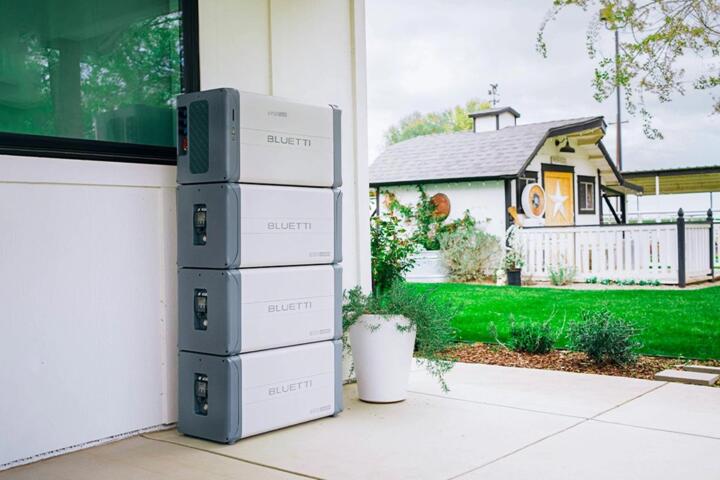
People often get the ratings wrong. A battery might be advertised as “13.5 kWh,” yet the usable energy depends on depth-of-discharge limits, temperature, and inverter settings. If a system reserves part of the capacity for longevity or emergency functions, the effective backup time shrinks. Another common misunderstanding is assuming that a battery’s power rating stays constant as the state of charge drops; many systems reduce output near low charge to protect cells.
Degradation is a second pain point that shows up quietly. Lithium-ion cells lose capacity as they cycle and as time passes, with the rate influenced by temperature and how deeply the battery is discharged. A system that cycles daily for load shifting can age faster than one that sits mostly full and discharges during outages. Manufacturers publish warranty terms, but those terms often assume specific operating conditions, and real usage can drift. I have seen homeowners compare two products by capacity alone, then ignore the warranty’s cycle assumptions, which is where the comparison breaks.
Safety and thermal control create additional constraints. Batteries require active monitoring of cell voltages and temperatures, plus protective hardware that can disconnect strings when readings drift. Thermal runaway risk is managed by design choices like venting paths, fusing, and containment, but the risk is not zero. Installation details matter too: spacing, ventilation, and mounting affect heat removal, and a “works in the showroom” setup can behave differently in a garage corner. In the field, inspectors often focus on electrical code compliance and fire safety provisions, not marketing claims.
Grid-scale storage adds dependencies that do not exist for a single home. Interconnection studies consider fault currents, voltage support, and how inverters respond to grid disturbances. A battery that provides energy during normal conditions can still fail a grid code test during abnormal events. Control strategies also matter: some systems prioritize frequency regulation, others prioritize peak shaving, and the cycling pattern differs. If you plan for one service and the system ends up doing another, the lifetime and performance can change.
Solutions And Practical Advice
Match Power To Load
Start by listing the loads you want to run during an outage and their starting surge. Refrigerators, well pumps, and some HVAC systems can draw short high currents that exceed the inverter’s continuous rating. Compare your peak demand to the battery system’s inverter output limits, not the battery’s kWh capacity. If the inverter is rated for 5 kW continuous, a 7 kW surge may still trip protection. Tools like a home load calculation spreadsheet or a simple plug-in power meter can help you estimate typical and peak draw; a meter reading from a weekend can miss weekday HVAC behavior, so take multiple readings.
For backup planning, also check the system’s recommended discharge limits. Many systems reserve a buffer to protect cells and to keep the inverter within safe operating conditions. If a manufacturer states “usable capacity” or “backup duration under defined loads,” treat that as the planning number. When documentation uses vague language, ask for the test conditions, including ambient temperature and load profile. That is where “it lasted all night” stories often stop being comparable.
Plan For Degradation
Use warranty terms as a reality check, but read them like an engineer. Look for cycle-based guarantees (for example, a specified number of cycles to a stated capacity threshold) and for calendar aging assumptions. Temperature is a major driver, so check whether the system is designed for hot garages or cold basements. A mild aside: I once reviewed two battery datasheets where one listed operating temperature ranges in a footnote, and the other did not; that difference changed how confidently the system could be used in winter.
For load shifting, estimate how many cycles per year your plan implies. Daily cycling can mean 300+ cycles annually, while outage-only use might mean fewer than 50. If you cycle more than the warranty scenario, expect faster capacity loss. You can reduce cycling stress by using time-of-use settings that avoid deep discharges and by setting a higher reserve for backup. Some systems also support “backup-only” modes that reduce cycling during normal operation, which can slow aging.
Verify Safety And Codes
Battery storage is regulated through electrical and fire safety requirements that vary by jurisdiction. In the United States, installations commonly reference the National Electrical Code (NEC) and local amendments, and permitting often requires documentation of equipment ratings and mounting. For lithium-ion systems, inspectors may ask about ventilation, clearances, and overcurrent protection. If you are comparing vendors, request the installation manual and the required clearances rather than relying on a sales brochure.
For grid-scale projects, safety requirements include container design, emergency response planning, and compliance with interconnection and grid codes. Those requirements affect layout and cost, and they can delay schedules. If you are evaluating a project timeline, ask how long permitting and interconnection approvals typically take in your area. Delays often come from documentation gaps, not from the battery itself.
Use Monitoring For Control
Monitoring turns a battery from a black box into a measurable system. Look for data on state of charge, charge/discharge power, temperature trends, and fault events. Some systems expose metrics through an app; others provide an API or integration with platforms like Home Assistant. A small practical note: firmware versions can change behavior, so record the version number shown in the app settings when you compare performance over time. If you see frequent inverter derating or repeated fault codes, the system may be operating outside its intended envelope.
For grid services, monitoring also supports compliance. Operators may require specific response characteristics during frequency events or voltage disturbances. If the control logic changes after an update, the system’s response can shift, which is why change logs matter. When documentation does not describe control modes clearly, you can still ask for the mode definitions and the expected response curves.
Case Examples For Evaluation
A homeowner in a region with frequent evening outages installed a 10 kWh battery with a 5 kW inverter. The household expected “about 2 hours” of backup for the whole house, but their actual runtime dropped to under 90 minutes during cold weather because the HVAC load was higher and the system limited discharge at low temperatures. After reviewing the system’s usable capacity setting and adjusting the backup reserve, they gained more predictable runtime. The key lesson was that backup duration depended on the defined load profile and temperature, not on the headline kWh rating.
A small commercial site used a battery for peak shaving during weekday demand charges. The operator cycled the battery more deeply than the warranty assumptions because the control schedule chased short-term cost savings. Over several months, the battery’s reported capacity declined faster than expected, and the system started limiting output more often. They reduced cycling by raising the minimum state of charge and switching to a schedule that matched the facility’s actual load curve. The lesson was that “cost optimization” can conflict with battery lifetime if the control strategy ignores degradation constraints.
Checklist For Decision Support
| What To Check | Why It Matters | What To Ask For | Common Red Flag |
|---|---|---|---|
| Usable kWh | Backup time depends on usable energy, not nameplate capacity | Defined test conditions and reserve settings | Only marketing capacity shown |
| Inverter kW | Peak loads can trip protection even with enough kWh | Continuous and surge behavior, derating rules | No mention of surge or derating |
| Warranty Assumptions | Cycle and temperature assumptions drive real lifetime | Cycle count, calendar aging, temperature range | Warranty terms hidden in long documents |
| Safety And Clearances | Thermal management affects both safety and performance | Installation manual, ventilation requirements, monitoring | No clear installation constraints |
| Control Modes | Mode selection changes cycling and grid response | Mode definitions and expected behavior | Only one mode described |
Step-by-step checklist you can use before signing: (1) measure your critical loads and starting surges, (2) map those loads to inverter kW limits, (3) estimate runtime using usable kWh under defined discharge limits, (4) compare warranty cycle and temperature assumptions to your planned usage, (5) confirm installation clearances and monitoring features, and (6) ask how firmware updates affect control behavior. If any step relies on vague claims, request the underlying test conditions. That is where many “it should work” expectations collapse.
Common Mistakes To Avoid
One frequent mistake is sizing storage for energy while ignoring power. A battery can have enough kWh to cover an outage, yet the inverter trips because the load surge exceeds the inverter’s limits. Another mistake is assuming that a battery will always deliver its rated power until empty; many systems limit output based on state of charge and temperature. People also confuse “backup time” with “time until the battery is fully depleted,” which leads to unrealistic expectations.
Control settings cause another set of problems. If a system is configured for aggressive load shifting, it may cycle deeper than the warranty assumptions, accelerating capacity loss. If backup reserve is set too low, the system may protect cells by cutting output earlier than expected. A mild frustration for buyers: apps often show friendly graphs but hide the exact reserve and discharge limits behind menus. Reading the installation and user manuals helps, even when the interface looks self-explanatory.
Finally, buyers sometimes treat permitting as a formality. Electrical code compliance, fire safety requirements, and interconnection approvals can change the final design and timeline. If you plan to integrate with solar inverters, check compatibility and required settings. In some cases, the battery system’s grid-tied behavior depends on the solar inverter’s capabilities, and mismatched equipment can force workarounds.
FAQ
How Do I Size Storage For Backup?
List critical loads and their starting surges, then compare to the inverter’s continuous and surge limits. Use the system’s stated usable kWh under defined discharge limits and temperature conditions to estimate runtime.
What Limits Battery Runtime?
Runtime depends on usable energy, discharge limits, temperature, and inverter derating. A nameplate kWh rating often overstates usable backup time.
Do Batteries Lose Capacity Even If They Sit Idle?
Yes. Lithium-ion cells age through calendar aging, with the rate influenced by temperature and state of charge. Warranty terms usually describe calendar aging assumptions.
Are Home Battery Systems Safe?
They include monitoring, protective disconnects, and containment features, but safety depends on correct installation, ventilation, and code compliance. Local permitting and inspection requirements reflect these concerns.
Can Storage Replace Grid Power Completely?
Complete replacement requires enough energy for multi-day outages and enough power for peak loads, plus careful control. Many systems are designed for backup hours, not extended islanding.
Author's Insight
Battery storage challenges show up in the gap between marketing numbers and operating conditions. Power limits, usable capacity, temperature effects, and warranty assumptions often determine real performance more than headline capacity. Degradation ties directly to cycling depth and heat, so control settings matter as much as hardware. For readers evaluating a system, the most reliable approach is to compare documented test conditions and warranty scenarios to the way the system will actually run. When documentation lacks those details, treat the estimate as uncertain and ask for the missing inputs.
Key Takeaways
- Battery storage has separate power and energy limits; backup planning needs both.
- Usable kWh, discharge reserves, and temperature-driven derating shape runtime.
- Degradation depends on cycling and calendar aging; warranty terms should match your usage pattern.
- Safety and permitting depend on installation details, ventilation, and electrical code compliance.
- Monitoring and control modes determine how often the system cycles and how it responds during events.