Understanding Ag Tax Status
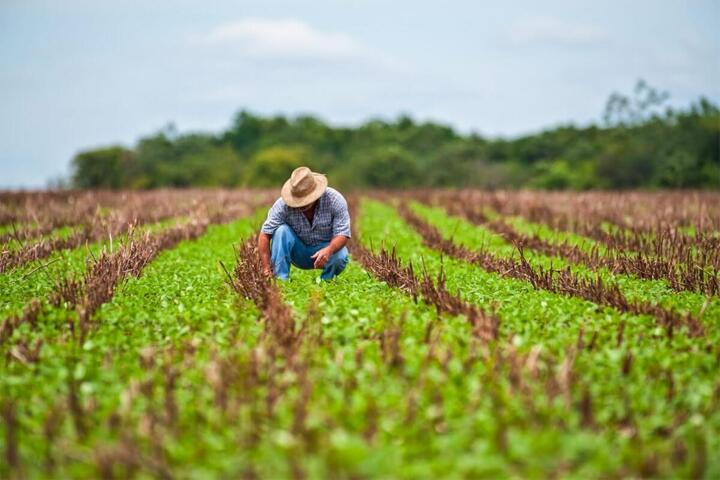
Agriculture status provides tax relief to farms that meet certain criteria, primarily focused on land use and income generation from farming activities. For example, a small farm of 10 acres might qualify for exemptions that reduce property tax assessed for non-agricultural use. According to recent IRS data, nearly 30% of U.S. farms operate under some form of agriculture status to lower tax burdens.
States define agriculture status differently; some base it on the number of livestock or crop types, others on minimum revenue. In Michigan, for example, a farm must earn at least $1,000 annually from agricultural products to qualify, a threshold that seems low but affects many small growers.
Tax treatment under agricultural status often includes exemptions or reduced rates on property taxes, sales tax on farming inputs, and sometimes income tax deductions related to farm expenses. These collectively can save small farms thousands annually.
Farming deeds and land use classifications also matter. Agricultural land typically receives lower tax assessment than residential or commercial properties. Precision here counts—it’s not automatic.
Issues in Small Farm Taxes
Many small farm owners misunderstand or overlook the qualifications for ag status, leading to tax overpayments. Some assume any land used for farming qualifies, without considering minimum activity or income requirements. This misunderstanding causes missed savings or penalties when the authorities audit.
Another problem comes from mixing residential use and farming on the same parcel; the ag exemption might apply only to the portion used for farming. Ignoring this split can trigger assessments and back taxes.
Further complicating matters, farm owners often neglect record-keeping of agricultural sales and acreage, which is critical for proving status eligibility during appeals or renewed certifications.
Ignoring these subtleties leads to repeated re-assessment or complete loss of exemptions, impacting farm cash flow. For instance, a 15-acre hobby farm losing status could suddenly face a 200% increase in property taxes.
Action Steps To Maximize Benefits
Keep Detailed Income Records
Accurate tracking of farm-related income is key. You want clear documentation of sales, such as organic tomatoes sold to local markets or livestock sales with invoices. This makes proving eligibility straightforward during tax reviews.
Understand Acreage Rules
Identify precisely which acreage counts as agricultural use versus other purposes. Tools like GIS mapping or USDA land use data can help delineate boundaries—knowledge that can save thousands in improper tax charges.
Use Professional Appraisal Services
Hire certified appraisers who specialize in agricultural land valuation. They assess the land’s farming use value rather than market or development value. This often results in significantly lower tax assessments.
Apply State-Specific Programs
Leverage programs like California’s Williamson Act or Texas’ Agriculture Valuation, which grant preferential tax rates if you meet their operational criteria—often annual income thresholds or land stewardship practices.
Separate Personal and Farm Expenses
Maintain distinct accounts and receipts for farm purchases versus personal ones. This clarity ensures you claim and defend sales tax exemptions or income deductions properly.
File Certifications Promptly
Many states require annual renewal of agricultural status via certification forms. Missing deadlines can cause automatic loss of exemptions. Mark calendars or use automated reminders to avoid late filings.
Consult Tax Advisors Familiar With Ag Law
Engage CPA firms or tax attorneys experienced in agricultural taxation. Some providers, like Intuit ProConnect, have specialized agricultural modules that streamline filing and help track eligibility changes.
Monitor Legislative Changes
Tax laws change frequently. Keeping an eye on updates from departments of agriculture or revenue agencies can reveal new exemptions or rule amendments that affect your benefits.
Document Land Improvements
Keep receipts and photos of farm infrastructure upgrades. Some states offer property tax credits or depreciation benefits on improvements like irrigation systems or greenhouses.
Real Farm Examples
The Branson family in Iowa runs a 12-acre organic vegetable farm. Before applying for ag status, their property tax was around $5,200 yearly. After engaging a local appraiser and certifying their annual sales of $15,000, their taxes dropped to $1,900. Their accountant estimated this saved them over $20,000 in five years.
In contrast, a small 8-acre horse boarding farm in Kentucky failed to separate personal residence area from the farm. The assessor reclassified the entire property as residential, tripling property tax. After hiring an expert and submitting detailed maps and income statements, the board restored agricultural status to the 6-acre pasture, cutting the tax bill almost in half.
Checklist for Tax Exemption
| Criteria | Minimum Activity | Documentation | Renewal |
|---|---|---|---|
| Income | $1,000 annually+ | Sales records, receipts | Annual submission |
| Acreage | Minimum 5 acres | Land use maps | With income proof |
| Land Use | Active farming | Photographs, work logs | Annual review |
| Certification | State form filed | Signed declarations | By deadline date |
Typical Errors to Avoid
Failing to keep income records or mixing personal and farming funds reduces the chance of qualifying. Another blunder is neglecting acreage limits or not splitting residential from farm land. Some farmers skip required renewals, losing benefits unexpectedly.
Misinterpreting eligibility criteria causes improper claims; that triggers audits and potential fines. Overestimating land used for production—such as unused plots or hobby gardening—can backfire.
Ignoring professional help often results in missed deductions or inaccurate applications. DIY approaches to complex agricultural tax filings may seem cheaper but have hidden costs.
FAQ
What is agriculture status?
It is a special tax classification for land primarily used for farming that grants property, sales, and income tax benefits.
How much income is needed to qualify?
Most states set a minimum income requirement around $1,000 annually from farm products but amounts vary widely.
Does livestock count toward exemption?
Yes, livestock raised for sale usually counts toward meeting income and acreage qualifications.
How often must I renew ag status?
Typically, farms must file annual certifications, though exact timing depends on local rules.
Can residential property affect my exemption?
Yes, the portion of land used for non-farming purposes may disqualify part of the property from exemption.
Author's Insight
After advising dozens of small farm owners, I’ve seen how precise documentation makes or breaks agriculture tax benefits. One case involved a client who nearly doubled tax savings simply by organizing income records and submitting them timely.
Often, farmers avoid experts due to cost, but a few hundred dollars spent early saves thousands later on reassessments. Don’t underestimate the value of a local appraiser familiar with county-specific requirements—this advice, frankly, most small operations avoid until it’s too late.
What yo Remember
Small farms gain substantial tax relief by meeting clear agriculture status benchmarks. Track income detail, confirm acreage use, and stay ahead with annual renewals. Seek professional guidance to navigate nuances—this approach maximizes savings and minimizes costly mistakes.