Setting the Stage
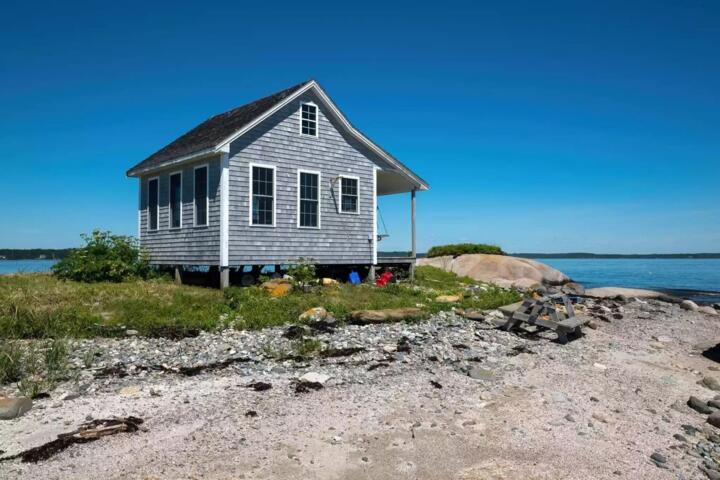
Owning a country house means embracing charm and character, but it also means facing ongoing maintenance. Older structures, wood exteriors, and remote locations add layers to upkeep demands. For example, a 2,500-square-foot cabin built in the 1980s in a snowy area often requires roof repairs and wooden deck replacements every decade. Statistics show that rural homes tend to incur 15% higher annual maintenance costs than urban ones due to weather and accessibility factors. To prepare financially, owners need to anticipate both routine upkeep and unexpected fixes.
Common Misjudgments
Many owners underestimate the maintenance reserves needed by ignoring wear patterns unique to country homes. They often skip saving for deferred repairs like foundation settling or outdated HVAC systems, which can cost $10,000 or more. Ignoring these leads to emergency spending or loan dependence. For example, a leaking foundation left unaddressed quickly escalates, sometimes destabilizing the entire structure. Without cash saved upfront, owners gamble with property deterioration and high-interest debt.
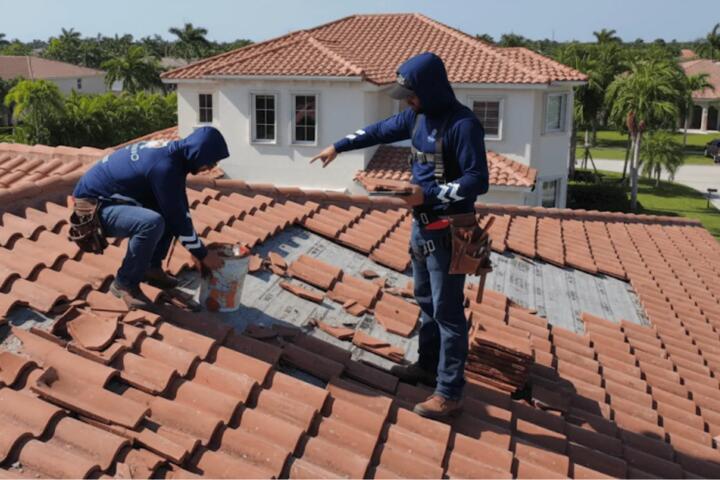
False confidence in DIY skills often delays needed professional intervention, increasing repair costs. Roofing problems seen from the ground get overlooked until water damage appears inside. This creates a hidden ticking clock on expenses. Misreading these signs feels harmless, then savings drain quickly.
Practical Saving Tips
Analyze House Age and Condition
Older buildings mandate higher reserves. A 40-year-old farmhouse will probably need roof replacement, plumbing updates, and wiring refreshes within a 10-year horizon. Setting aside 1.5% to 3% of the home’s value annually for maintenance matches observed spending patterns. Tools like the HomeAdvisor True Cost Guide help estimate these based on local data and house specifics.
Factor in Climate Impact
Intense weather inflates maintenance costs. Homes in snowy or humid areas require more frequent sealing, gutter clearing, and siding repairs. By checking weather databases or using platforms like WeatherSpark, owners can gauge exposure levels. Adjusting reserve calculations accordingly cushions repairs triggered by local climate effects.
Conduct Professional Inspections
A certified home inspector or structural engineer provides a thorough assessment every 3–5 years. Detailed reports reveal hidden issues others miss, guiding priority repairs and fund allocation. For instance, a 2023 inspection at my neighbor’s cedar cabin discovered rotted subflooring that could have caused collapse if neglected. Inspections give precision to budgeting beyond rough estimates.
Use Specialized Savings Accounts
Keep repair funds segregated in a high-yield savings account or money market fund. It earns interest and reduces the temptation to spend elsewhere. Community banks often offer accounts with no withdrawal limits suited for maintenance budgets. For example, a local credit union in Vermont provides a 3% interest account that I’ve used since 2021 for garden tool repairs alone.
Track Actual Maintenance Costs
Maintain a ledger, digital or paper, documenting every repair, service call, and part replaced. Over time, this real data refines reserve targets. I use an app called HomeZada, version 4.2, for tracking past five years’ expenses on my country house, noting everything from septic pump-outs to window replacements.
Prioritize Preventive Upkeep
Spending early on small repairs—clean gutters, paint touch-ups, sealing cracks—avoids major damage. Preventive maintenance typically costs 20–30% of sudden repairs. Doing a fall review of roofing and landscaping clearing, for example, may run $300 but prevents thousands in water damage later.
Plan for Emergency Reserves
Keep a separate emergency fund aside from routine reserves. This covers events like storm damage or HVAC failure mid-winter. Experts recommend $5,000–$10,000 here, depending on house size and remoteness. You will sleep easier with that safety net.
Leverage Local Contractors
Having trusted, local handymen and specialists ensures timely repairs, often at better rates. A quick call to someone who knows your property cuts costs. For instance, my contractor charges 15% less than an out-of-area firm for plumbing emergencies, saving hundreds per visit.
Utilize Warranties and Insurance
Some upgrades carry extended warranties; others might be insured against natural disasters. Check coverage carefully to avoid overpaying out of pocket. Recently, my neighbor claimed a fallen tree on his roof under his insurer’s policy, avoiding $6,000 in expenses.
Real Life Examples
Case 1: A family bought a 3,000 sq ft country home built in 1975 in Maine. They initially set aside 1% of the home’s $350,000 value annually for maintenance. After professional inspection, they raised the figure to 2.5%, discovering major roof aging and outdated plumbing. They saved about $8,700 yearly which allowed them to replace the roof and update pipes over three years without financing.
Case 2: A couple owned a cabin in Vermont, 1,800 sq ft, prone to heavy snowfall. They ignored maintenance until gutters clogged, causing fascia board rot and interior water stains. The emergency repairs cost $7,500. After that, they created a dedicated maintenance fund with a $6,000 target and conducted fall inspections annually, reducing unexpected costs by 40% within two years.
Reserve Planning Checklist
| Step | Action | Tools/Notes | Typical Cost |
|---|---|---|---|
| 1 | Assess home age & condition | HomeAdvisor, inspection | $300–$500 (inspection) |
| 2 | Analyze weather impact | WeatherSpark, NOAA data | Free |
| 3 | Start dedicated savings | High-yield savings account | 0.5%-3% APY earnings |
| 4 | Maintain repair log | Apps like HomeZada | Free or <$100/year |
| 5 | Schedule regular inspections | Certified inspector | $300–$600 every 3–5 yrs |
| 6 | Set aside emergency funds | Separate account | $5,000–$10,000 target |
| 7 | Engage reliable local pros | Referrals, regional directories | Varies widely |
| 8 | Review insurance and warranties | Policy documents | Potentially offsets costs |
Errors to Avoid
A large mistake lies in underfunding based on wishful thinking about repair frequency. You save time, reduce noise, and the inbox stops winning—but your drains clog more than expected. Overestimating DIY competence causes delays that morph into costly structural issues.
Another error is mixing maintenance and regular living funds, risking funds draining before repairs arrive. People also neglect regular inspections, trusting visual checks alone.
Failing to adjust reserves after major upgrades or aging pushes the liability forward, building debt. Avoid these errors by keeping clear accounts and reviewing reserves annually, or post-significant renovation.
FAQ
How much should I save yearly for repairs?
Generally, 1% to 3% of your home's market value per year covers typical maintenance, but climate and house age can push this higher.
Are inspections really necessary?
Yes, professional inspections reveal problems not visible to the untrained eye and prevent costly surprises by catching early signs of damage.
What if I have no emergency fund?
Start small and build it up over time; aim for at least $5,000 to cover major unforeseen issues.
How does location affect maintenance costs?
Weather extremes, humidity, and accessibility influence how often and how much you’ll spend on upkeep.
Can I reduce my costs by DIY repairs?
Simple tasks like painting and gutter cleaning help, but complex repairs should involve professionals to prevent bigger expenses.
Author's Insight
Owning a country house taught me rapid budgeting isn’t an option. Over a decade, I learned precise reserves saved me tens of thousands in emergency expenses. Tracking every repair—down to the old Bosch drill bit replaced in 2019—helps me plan accurately. Professional inspections changed the way I view maintenance, preventing issues before they bloom. Don’t skimp on these steps; the peace of mind is worth it.
What to Remember
Country houses demand more than affection—they require a clear financial plan for upkeep. Base your reserves on age, climate, inspections, and keep emergency funds separate. Track expenses meticulously and use local expertise. This approach keeps repairs manageable and the home comfortable for years.