Remote Homes And Premiums
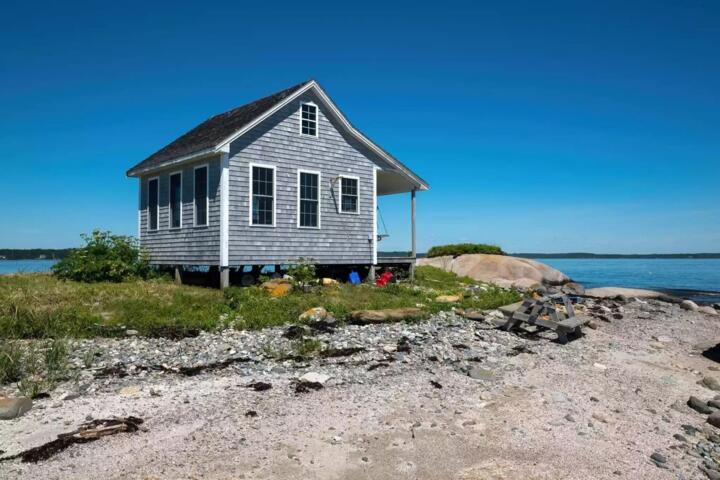
Insurance premiums for remote homes tend to rise when the insurer expects slower claims handling, higher repair costs, and more variability in outcomes. A house 30 miles from the nearest fire station can still be well built, but the insurer prices for the time it takes for responders and contractors to arrive, plus the cost of hauling materials and equipment. If you live off a maintained road, the same risk model also treats access as a factor, because storm damage and fire losses often depend on whether vehicles can reach the site quickly.
Premiums also reflect how often claims occur in the region and how expensive they are when they do. Remote areas can have fewer claims overall, yet each claim can be costlier because repairs require specialized labor, longer travel, and sometimes temporary housing. Insurers may also use catastrophe models that incorporate distance to hazards such as wildfire zones, floodplains, and wind corridors, then adjust for local construction and mitigation features.
What People Get Wrong
Many homeowners assume premiums depend only on the home’s replacement value. In practice, insurers price the entire loss process: detection, access, response, repair logistics, and the chance that a small event becomes a larger one. A roof leak that would be contained in hours in a city can turn into water damage that spreads through framing when the nearest contractor is booked for days.
Another common misunderstanding involves “remote” meaning only distance. Insurers often treat remoteness as a bundle of factors: road maintenance, bridge weight limits, cell coverage for emergency alerts, and the availability of insured vendors. If your area has limited water supply for firefighting or hydrants are absent, the insurer’s fire risk assumptions can shift even when the property is well maintained.
Supporting technologies and dependencies shape these assumptions. Claims systems rely on geocoding and hazard layers, then route adjusters and vendors based on address data. If your address is hard to match in mapping tools, the insurer may still quote, but the underwriting file can include manual review notes, which sometimes leads to higher pricing or stricter documentation requests. I have seen this happen with rural addresses that use nonstandard road names; the quote process may still complete, yet the policy terms can differ after underwriting review.
How Underwriters Price Risk
Underwriting for remote homes often uses a mix of hazard modeling and underwriting rules. Hazard modeling can include wildfire spread risk, wind speed estimates, flood depth and velocity where available, and hail frequency. Underwriters then adjust for property characteristics such as roof type, year built, heating source, electrical system age, and whether the home has protective devices like monitored alarms or sprinkler systems.
Distance affects not only the hazard but the response. Insurers may estimate the time to first responder and the time to obtain a water supply, then translate those into expected loss severity. Repair cost assumptions also change with labor availability and material delivery. In some regions, a single insured event can require multiple trades, and travel time becomes a cost driver that shows up in claim reserves.
Some insurers also consider the likelihood of repeat losses. If a remote home has recurring issues such as frozen pipes, roof ice dams, or sump failures during storms, underwriting may treat those patterns as indicators of higher future loss frequency. That pattern recognition can be based on prior claims history in the area and on documentation you provide during underwriting.
Solutions And Advice
Document Access And Mitigation
Start by assembling a “risk packet” that matches how insurers evaluate claims. Include photos of roof condition, heating equipment, electrical panel labeling, and any defensible space around the home. Add practical details: driveway width and grade, turnaround space for emergency vehicles, and whether your address is clearly marked at the road. If you have a monitored smoke alarm system, list the monitoring provider and the installation date; insurers often ask for proof, and a dated invoice helps more than a verbal claim.
For wildfire-prone areas, keep records of defensible space work and fire-resistant landscaping. Many insurers respond better to documented mitigation than to general statements. If you use a home inventory tool, export a PDF or spreadsheet; I once saw a homeowner’s inventory file version labeled “v3.2” and the insurer accepted it quickly because the dates and item categories were consistent.
Compare Quotes With Consistent Inputs
Premium differences can reflect mismatched assumptions rather than true risk. When you request quotes, use the same replacement cost estimate, the same deductible options, and the same coverage limits across insurers. Ask each insurer to list the factors they used for distance to fire protection and the hazard category. If one quote assumes a different roof age or heating type, the premium can swing even when the home did not change.
Use a checklist during quote comparison. Record the insurer’s stated replacement cost method, the deductible structure, and whether the policy includes replacement cost coverage for personal property. If you see “actual cash value” language for certain categories, the payout can be lower after depreciation, which changes your real cost of loss.
Adjust Deductibles And Coverage Terms
Higher deductibles often reduce premiums, but remote-home logistics can make losses feel larger. A $2,500 deductible might be manageable for a small roof repair, yet water damage claims can exceed that quickly when cleanup and drying equipment travel costs rise. Compare the premium savings against the deductible you could realistically fund after a storm.
Also review coverage for additional living expenses and debris removal. Remote homes can require longer displacement because contractors and rental availability may be limited. Check whether the policy covers ordinance or law upgrades if local codes require changes after a covered loss. Some policies cap these benefits, and the cap can matter when rebuilding takes longer.
Plan For Claims Logistics
Remote homes benefit from pre-loss planning that reduces delays. Keep a list of licensed contractors who serve your area and ask whether they can provide estimates for insurance claims. Maintain copies of receipts for major upgrades such as roof replacement, HVAC replacement, and insulation improvements. If you use a smart water shutoff or leak detection system, keep the model and installation date; insurers may treat it as a mitigation factor when properly documented.
During a claim, response time affects drying and mold risk. If you can arrange a water mitigation contractor quickly, you may reduce secondary damage. That does not change the insurer’s coverage decision, but it can change the size of the claim and the time to resolution.
Case Examples
Example 1: Rural wildfire zone with good access. A couple insures a single-family home on a maintained county road about 25 miles from the nearest fire station. Their premium is higher than a similar home in town, but the insurer offers a better rate after reviewing documented defensible space work, a Class A roof rating, and a monitored alarm system. The insurer’s underwriting notes focus on access and fire suppression limitations rather than on the home’s appearance.
Example 2: Floodplain proximity and water source constraints. A homeowner near a mapped floodplain buys coverage with a standard deductible. After a quote review, the insurer requests details about the foundation type, sump pump maintenance, and whether the property has backflow prevention. The premium rises because the insurer expects higher severity when water enters the structure and because cleanup requires specialized equipment. The homeowner reduces the gap by upgrading documentation and selecting a higher deductible for certain water-related losses.
Premium Drivers Checklist
| Factor To Verify | Why It Raises Premiums | What To Gather | How To Use It |
|---|---|---|---|
| Distance And Access | Slower response and higher repair logistics | Driveway photos, road name clarity, address signage | Ask insurers to confirm routing assumptions |
| Hazard Category | Wildfire, wind, hail, and flood severity estimates | Roof rating, mitigation receipts, foundation details | Match quote inputs to documented facts |
| Loss Severity Potential | Water intrusion and delayed containment | Leak detection, sump maintenance logs, ventilation | Reduce claim size by planning response |
| Coverage Structure | Deductibles and payout basis change out-of-pocket costs | Declarations page, deductible schedule, sublimits | Compare replacement cost vs actual cash value |
Step-by-step checklist for a fair comparison:
- Use one replacement cost estimate and one roof age input across all quotes.
- Request the same deductible options and confirm whether they apply to wind, hail, and water losses.
- Ask each insurer to list the hazard drivers they used for your address.
- Verify that the policy covers additional living expenses for a realistic displacement period.
- Compare declarations pages line-by-line, not just the premium total.
Common Mistakes
Homeowners often submit incomplete property details, then assume the insurer will “figure it out.” Missing roof year, heating type, or foundation information can trigger manual underwriting and higher pricing. If you do not know a detail, measure it or check records before quoting; guessing tends to create mismatches later.
Another mistake involves comparing premiums without comparing coverage. A lower premium can come from lower limits, sublimits for water damage, or actual cash value wording. Remote homes can face higher severity, so the payout basis matters when repairs require long-distance labor and materials.
Some people also overestimate mitigation. A generator can help with power outages, but it does not replace flood coverage or fire-resistant construction. Insurers may credit certain mitigation steps, yet they still price the underlying hazard. If you add a mitigation feature, document it with receipts and installation dates so the underwriting file matches the physical reality.
Finally, homeowners sometimes ignore claims logistics until after a loss. Delayed cleanup can increase damage, and insurers may scrutinize whether reasonable steps were taken to limit harm. Planning contractor access and keeping key documents ready reduces friction when time matters.
FAQ
Why do remote homes cost more to insure?
Insurers price for higher expected loss severity when access is slower and repairs take longer, plus hazard models that may assign higher risk based on location and surrounding conditions.
Does distance to the fire station always raise premiums?
Distance can affect underwriting, but the insurer’s final rate depends on the full hazard picture, property construction features, and documented mitigation steps.
Can a higher deductible reduce my premium for a remote property?
Often yes, but compare the premium savings to your ability to fund the deductible during a larger claim, since remote repair logistics can increase total loss costs.
What documents help most during underwriting?
Roof age and condition records, receipts for major upgrades, foundation details, and mitigation documentation such as defensible space work or monitored alarm installation dates.
Is flood insurance included in standard homeowners policies?
Flood coverage usually requires a separate flood policy under many common policy structures; check your declarations page and the policy form language for flood exclusions.
Author's Insight
Remote-home premiums rise because insurers model the entire claim chain, not only the building’s replacement cost. Distance influences response time, and response time influences how quickly damage is contained, which changes expected loss severity. Underwriting also depends on hazard layers and on property-specific facts you can document, such as roof condition and mitigation work. When you compare quotes, the most reliable approach uses consistent inputs and line-by-line declarations review, because premium totals can hide coverage differences.
Key Takeaways
- Higher premiums for remote homes often reflect slower claims logistics and higher expected repair severity, not just the home’s value.
- Quote comparisons work best when you keep replacement cost, deductibles, and coverage limits consistent across insurers.
- Document access details and mitigation features with dates and receipts to reduce underwriting uncertainty.
- Review payout structure such as replacement cost vs actual cash value and sublimits for water-related losses.
- Plan claims response in advance so cleanup and repairs start quickly after damage.