Bulk Buying For Rural Living
Bulk buying works in country settings because it matches how rural life actually runs: fewer shopping trips, longer gaps between restocks, and more exposure to weather-related supply delays. A family that drives 30–90 minutes to a store often faces a tradeoff between convenience and price, and bulk packs reduce the number of times that tradeoff shows up. Bulk also helps when you buy for multiple people or multiple uses, such as pantry staples for a household plus feed for animals, or cleaning supplies for a larger property.
Bulk purchases can also stabilize costs when local shelves run thin. If a store sells out of a staple during a storm week, a household with a two- to four-month supply of nonperishables can keep routines steady. That stability matters for more than comfort; it reduces emergency spending at higher prices and lowers the chance of substituting with products that do not work the same way in cooking, laundry, or home maintenance.
Storage is the hinge that turns bulk buying from “good idea” into “good outcome.” Dry goods need cool, dry space; canned goods need protection from dents and rust; and any item with a shelf life needs a plan for rotation. When storage is set up well, bulk buying becomes a system rather than a one-time purchase, and the system keeps working even when the next shopping trip gets delayed.
Common Mistakes And Pain Points
People often get bulk buying wrong by treating it like a single decision instead of a chain of decisions: quantity, storage conditions, rotation, and realistic consumption. Overbuying is the most common failure mode, especially for items with a short shelf life or for foods that get used inconsistently. A pantry can look “full” while still wasting money if the household never reaches the planned consumption rate.
Another pain point is ignoring packaging dates and shelf-life rules. Many dry goods have a best-by date that assumes unopened storage, and once opened, quality can drop faster due to moisture, pests, or oxygen exposure. Flour, nuts, and spices often lose flavor before they become unsafe, which leads to cooking changes and more waste. In rural areas, pests can be a bigger factor because storage rooms may be cooler, dustier, or less sealed than urban kitchens.
Bulk buying also depends on supporting technologies and habits that people rarely list. A simple kitchen scale helps measure portions so you can estimate how long a bag will last. Airtight containers and moisture control matter for grains and baking supplies. A basic inventory method—paper list, spreadsheet, or a phone note—prevents “double buying” when someone forgets what is already on hand. Even a calendar reminder for rotation can reduce waste, and it rarely works the way the docs say if it is only set once and never reviewed.
Cash flow is another hidden dependency. Bulk packs can cost more upfront, and rural households sometimes face seasonal income gaps. If you buy too much at once, you may run short on fuel, repairs, or school expenses before the next harvest or paycheck cycle. Bulk buying works best when it fits a predictable consumption rhythm and a realistic budget window.
How To Plan Bulk Purchases
Start With A Consumption Map
Write down monthly usage for the items you buy most often, then convert it into bulk-friendly quantities. For example, if you use 2 kg of rice per month for a household of four, a 25 kg bag lasts about 12.5 months, assuming consistent use. If your usage varies by season, split the estimate into “high” and “low” months and buy to cover the gap, not the average. A kitchen scale and a quick tally for one or two months usually produce better numbers than guessing.
For nonfood supplies like detergent or trash bags, track how many loads or bags you use per week. If you do 20 loads per month and a 2.5 L detergent bottle covers 25 loads, you can plan around that unit rate. This approach reduces the common mistake of buying the biggest pack available without checking whether your household’s usage matches the pack’s “unit economics.”
Match Storage To Product Type
Dry staples need sealed storage and pest control. Airtight containers with tight lids reduce moisture and insect access, and food-grade buckets with gasket lids work well for grains when the room stays dry. Keep items off the floor and away from exterior walls where humidity can rise. If you store in a garage or shed, monitor temperature and humidity because those conditions affect shelf life and clumping.
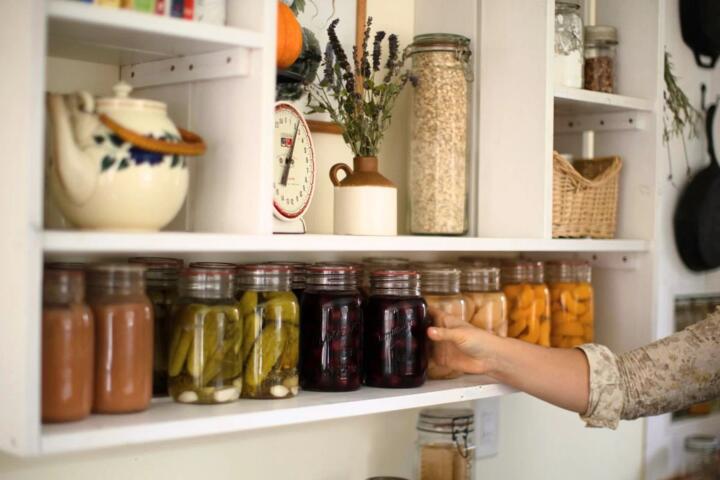
Canned and jarred goods need protection from dents and freezing temperatures. A dented can can fail seals, and freezing can crack glass jars. If you store in a basement, keep items elevated and away from water lines. I once saw a household lose a batch of canned tomatoes after a slow leak went unnoticed for weeks; the cans looked fine until the seal failed.
Use Rotation That Actually Works
Rotation matters because bulk buying increases the number of items that can age out. Use a simple “first in, first out” method: place newer stock behind older stock, and keep older items at the front. For pantry shelves, label containers with the purchase month and year. A small notebook on the pantry door can work better than a phone app when connectivity is unreliable, and it also makes it easier to spot patterns like “we never use this lentil blend.”
For opened products, track an “opened-on” date. Many dry goods remain safe for a long time when stored well, but quality declines, and quality decline is what drives waste. If you open a spice jar and notice weaker aroma after two months, you can adjust future quantities even if the product remains within its safety window.
Plan For Waste And Shelf-Life Limits
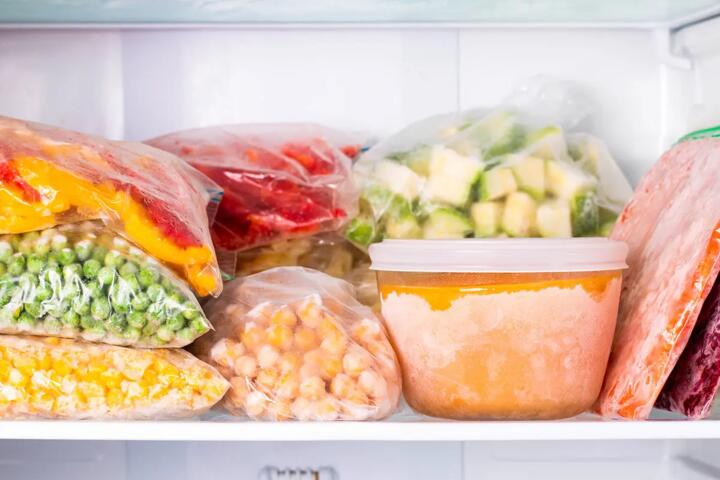
Bulk buying reduces per-unit cost, but it does not remove spoilage risk. Set a waste threshold you can tolerate, then buy quantities that keep waste within that limit. For perishables, bulk buying often means buying larger packs of items you freeze or cook quickly, not buying fresh produce in bulk without a plan. Freezing works best when you portion food so you can use one portion at a time, which reduces repeated thawing.
For example, if you buy a family-size pack of chicken and freeze it in 1–2 meal portions, you reduce waste from missed meal plans. If you buy a large pack of fresh herbs and store them in the fridge without freezing, the herbs often wilt before they get used. That pattern shows up as “bulk failure,” even though the real issue is storage mismatch.
Case Examples From Rural Homes
Scenario 1: Pantry staples with seasonal shopping. A two-adult household in a rural area shops once every 6–8 weeks. They buy rice, oats, flour, and canned beans in bulk during the first trip of a season, then top up with smaller purchases mid-season. They keep flour and oats in airtight containers and label them with purchase dates. After three months, they adjust quantities because they notice oats get used faster in winter breakfasts than in summer baking.
Scenario 2: Household supplies and shared storage. A family with two school-age children buys laundry detergent and trash bags in bulk from a warehouse store. They store detergent in a cool utility room and keep trash bags in a dry closet. They track usage by counting loads and bags per week, then reorder when the inventory hits a “reorder point” rather than when the shelf looks empty. This reduces last-minute purchases during months when road conditions make store runs harder.
Bulk Buying Checklist And Tradeoffs
| Decision Point | What To Check | If You Skip It | Practical Fix |
|---|---|---|---|
| Quantity | Monthly usage rate and shelf life | Overbuying and waste | Buy to cover the gap until the next planned trip |
| Storage | Dryness, pests, temperature swings | Quality loss and spoilage | Use airtight containers and keep items off the floor |
| Rotation | Labeling and first-in-first-out | Old stock expires unused | Front-load older items and track opened dates |
| Budget Timing | Upfront cost vs seasonal cash needs | Emergency spending or missed bills | Split purchases across months or set a spending cap |
Step-by-step checklist for a first bulk cycle: pick 10–15 items you use regularly, measure one month of usage, choose storage containers for the top 3 items by risk, buy enough to cover the next 2–3 shopping gaps, label everything with purchase month, then review inventory after 30–45 days. That review catches the “we thought we used it more” problem early, when adjustments still cost little.
Common Mistakes To Avoid
One mistake is buying bulk without measuring storage capacity. A 25 kg bag of flour needs space for containers, not just floor area, and it needs access so you can rotate stock. If you cannot reach the back of a shelf, you will forget what is there, and forgotten items age out.
Another mistake is assuming best-by dates equal safety dates. Many dry foods remain safe past best-by when stored well, but quality can decline, and quality decline drives waste. If your household uses food for taste-sensitive meals, you may need to treat best-by as a quality cutoff rather than a safety marker.
People also overestimate how long opened items last. Spices, nuts, and baking ingredients often lose aroma and texture faster after opening, especially if the container is not airtight. A small frustration shows up when a recipe tastes “off” and the household blames the recipe instead of the ingredient freshness.
Finally, bulk buying fails when it ignores household routines. If meals change during busy weeks, bulk quantities should match the meal pattern. Buying a large amount of a specialty item that only appears in one recipe can lead to a slow pile-up that never gets used.
FAQ
What items make the best bulk buys?
Dry pantry staples with long shelf lives—rice, oats, beans, flour (stored airtight), canned goods, and shelf-stable cleaning supplies—fit bulk buying best when storage stays cool and dry.
How do I prevent pests in bulk dry goods?
Use airtight containers, keep items off the floor, seal cracks where insects enter, and avoid storing food near open grain or pet feed. Inspect containers and packaging during restocks.
Do bulk purchases always save money?
Bulk packs often reduce per-unit cost, but savings shrink when you factor spoilage, expired quality, and storage costs like containers. Compare unit prices and estimate how long the quantity will last.
How long can I store opened dry foods?
Safety can extend for months or longer when stored airtight, but quality declines at different rates by product. Use opened-on labels and watch for changes in smell, texture, or clumping.
What about bulk buying for fresh food?
Bulk buying for fresh items works when you freeze or process them quickly. Portion for single uses, label with freeze dates, and avoid freezing items that do not hold texture well for your cooking style.
Author's Insight
Bulk buying succeeds when it is treated as inventory management, not a shopping habit. The strongest predictors of good outcomes are consumption tracking, storage fit, and rotation discipline, because these factors determine waste more than the purchase size. Shelf life varies by product and storage conditions, so readers should use best-by dates as quality guidance and opened-on dates for practical rotation. A simple system—labels, airtight containers, and a monthly inventory check—often performs better than relying on memory, especially when weather or road conditions delay restocks.
Key Takeaways
- Bulk buying works in rural areas because it reduces the frequency of high-friction store trips and helps cover supply gaps.
- Measure usage and match quantities to storage capacity and shelf-life limits to prevent waste.
- Use airtight storage for dry goods, protect canned and jarred items from damage and freezing, and label everything for rotation.
- Plan for cash timing and review inventory after 30–45 days so adjustments happen early.